
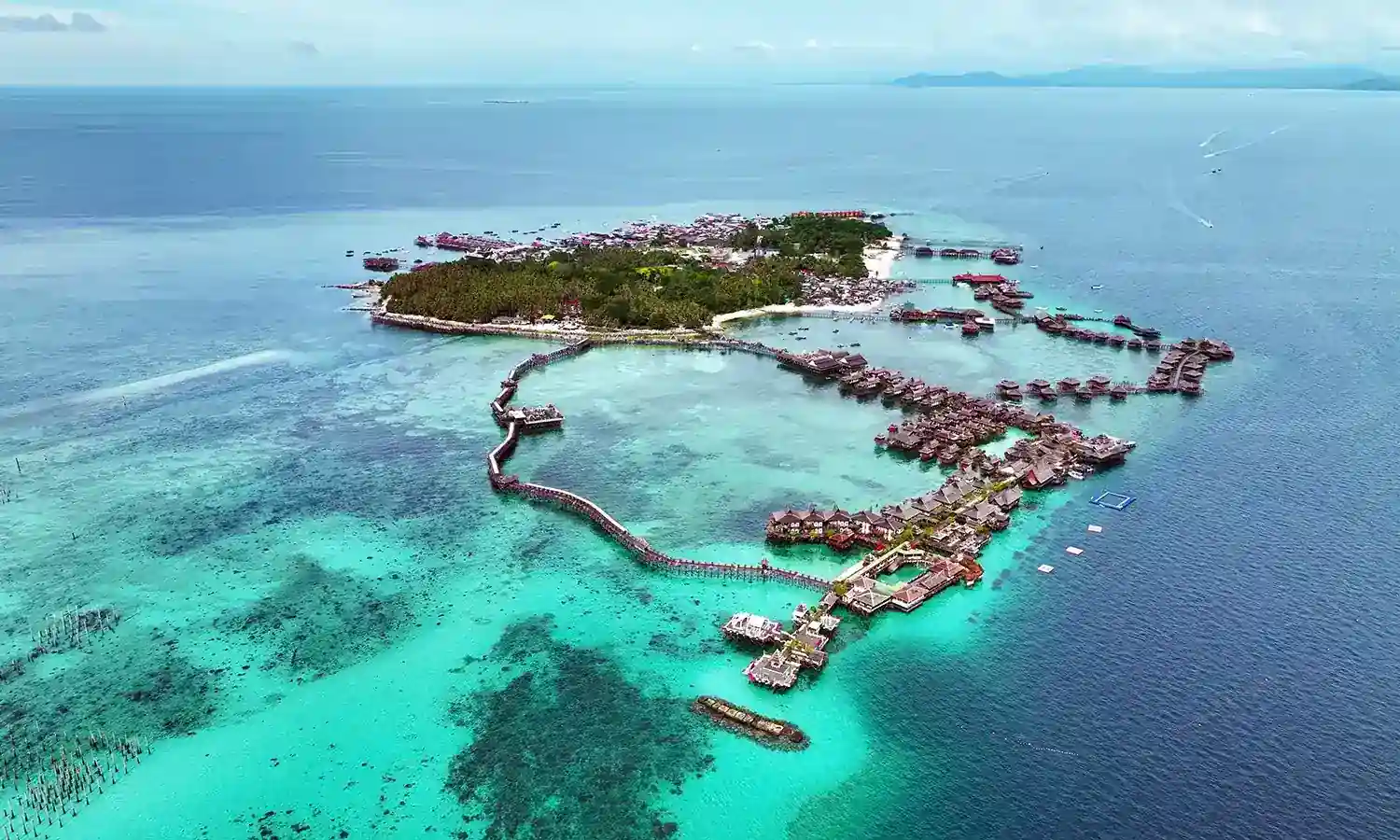
Resort islands off Terengganu
Redang and Lang Tengah
Redang and its quieter neighbour Lang Tengah sit inside a protected marine park off the East Coast. Expect white beaches, warm shallow reefs and gentle diving.
Highlights
- Resort islands located centrally inside the Terengganu Marine Park.
- The diving season runs from mid-March to September before the mandatory monsoon closure.
- Dive sites range from shallow sandy bays to deep boulder pinnacles.
- Green turtles, blacktip reef sharks and schooling jacks are resident on the reefs.
- Access is via mainland ferry jetties in Kuala Terengganu or Merang.
- A strong choice for couples, families and open-water training.
Redang and its quieter neighbour Lang Tengah sit off the coast of Terengganu. They are resort islands where the white beaches and the snorkelling and island hopping matter just as much as the diving. Both sit inside a protected marine park. You will find warm shallow reefs and diving gentle enough to learn to dive in open water. The sea dictates the calendar. The islands close completely for the Northeast Monsoon. When they are open they offer a very comfortable way to dive. You wake up in a proper resort, take a short boat ride to the reef and spend the afternoon on the sand.
Why Redang and Lang Tengah
These islands suit couples and families who want a structured holiday. Redang is built around large self-contained resorts that suits domestic weekenders and international visitors. Lang Tengah offers a smaller scale and a quieter atmosphere. Both sit inside a protected marine park that limits fishing and extractive activities within two nautical miles of the shore. This protection helps the resident marine life thrive.
Redang operates on a mass tourism model. You will share the island with high volumes of day-trip tourists from the mainland. The facilities caters heavily to affluent holidaymakers. The island famously hosted the filming of Summer Holiday. If you want a boutique experience with fewer crowds Lang Tengah is the better choice.
Conservation is a major focus here. Redang hosts the SEATRU turtle conservation project at Chagar Hutang beach. This area is strictly protected to ensure the survival of green and hawksbill turtle nesting sites. General tourist entry is prohibited at Chagar Hutang. The Redang Marine Conservation Group also works actively to remove marine debris and control the coral-eating Crown-of-Thorns starfish. These islands make excellent additions to Peninsular island escapes.
The season and the monsoon
The Northeast Monsoon controls the East Coast dive season. The Department of Marine Parks Malaysia enforces a strict closure from 1 November to 1 March every year. During this period commercial ferries cease operations and tourism shuts down completely. The Malaysian Meteorological Department regularly warns of continuous heavy rain during these months. The Forestry Department of Peninsular Malaysia also suspends recreational activities and issues severe weather warnings starting in November. Marine and weather instability typically extends the closure for dive operators through to March.
The diving season runs from mid-March to September. Visibility is usually at its best between April and August. The transition months of October and early March carry a higher risk of choppy crossings and reduced underwater visibility. Water temperatures stay warm throughout the open season.
The dive sites
The topography around Redang features large submerged boulders and sandy fringing reefs. The island historically hosted the largest continuous boulder corals in Peninsular Malaysia alongside over 55 genera of corals. Deeper sites offer a refuge from warm surface water and hold very healthy coral structures.
Big Mount
Skill level: Advanced | Ave depth: Not stated | Max depth: 32 m | Current: Strong | Visibility: Not stated Located off the northern tip of Pulau Lima, this is Redang's most celebrated dive. The massive submerged pinnacle starts at 14 m and drops to the seabed. The rock is covered in undulating hard corals and large sea fans. Strong oceanic currents regularly wash the site. These currents often bring in pelagic species and schooling fish.
Tanjung Tokong
Skill level: Intermediate | Ave depth: Not stated | Max depth: 30 m | Current: Moderate | Visibility: Not stated Situated near the protected Chagar Hutang beach, this site features huge submerged boulders cascading into the depths. It is one of the best places to see large green turtles (Chelonia mydas) and hawksbill turtles (Eretmochelys imbricata). You can also spot cruising eagle rays and cuttlefish among the rocks.
Tunnel Point
Skill level: Intermediate | Ave depth: Not stated | Max depth: 30 m | Current: Moderate | Visibility: Not stated Massive boulders pile atop one another to create a network of underwater tunnels and swim-throughs. The surge pushing through the rocks creates a distinct sound. The site is a haven for bumphead parrotfish (Bolbometopon muricatum) and schooling jacks.
Tanjung Tengah
Skill level: Beginner | Ave depth: Not stated | Max depth: 15 m | Current: Mild | Visibility: Not stated This site serves as the house reef for Long Beach. It offers a hazard-free sandy bottom that is perfect for open-water training and night dives. The shallows function as a nursery where baby blacktip reef sharks frequently hunt small baitfish.
Black Coral Garden
Skill level: Intermediate | Ave depth: Not stated | Max depth: Not stated | Current: Moderate | Visibility: Not stated A boat-accessed coral slope known for resident sharks and rich reef life. The deeper sections hold healthy coral structures that shelter plenty of macro subjects.
Lang Tengah
Lang Tengah sits roughly halfway between Redang and the Perhentian Islands. It is a boutique alternative if you prefer a quieter resort experience. It offers a much smaller footprint than Redang. The water is exceptionally clear and the fringing reefs are recovering well.
Batu Kuching
Skill level: Beginner | Ave depth: Not stated | Max depth: Not stated | Current: Mild | Visibility: Not stated This dive serves as the highlight site for Lang Tengah. It offers straightforward navigation and healthy marine life.
What you see
You need to know the ecological reality of the East Coast before you travel. The shallow fringing reefs and snorkelling bays suffered significant coral loss. The branching corals were hit the hardest. The disintegration of dead coral biomass has led to an increase in mobile coral rubble. Mobile rubble impedes the survival of new coral recruits. There is coral rubble in the shallowest zones.
The deeper dive sites offer a refuge. Sites located below 15 m retained their structural integrity and coral health. The deeper boulder formations still support plenty of life. The marine park rules help maintain a good population of resident animals. Green turtles and hawksbill turtles are common on the boulder sites. You will often see blacktip reef sharks patrolling the sandy shallows. Eagle rays glide out in the blue. The boulder structures at Tunnel Point hide bumphead parrotfish. The deeper pinnacles attract schooling jacks. The focus here is on relaxed reef diving and macro life rather than large pelagic encounters.
Be sure to ask your guide to point out the smaller macro subjects hiding inside the deeper boulder crevices.
Getting there
To reach the islands you take a ferry from the mainland. You can access the mainland jetties easily by flying into Sultan Mahmud Airport in Kuala Terengganu before taking a taxi. If you travel overland from Singapore the drive takes several hours up the coast. The primary departure points are Shahbandar Jetty in Kuala Terengganu and Merang Jetty. Merang offers a slightly shorter transit. The boat ride takes between 45 minutes and 90 minutes depending on the sea state and the vessel. Before planning your flights check the travel information guide.
You must pay a mandatory Marine Park conservation fee at the mainland jetty before you board the boat. This fee is enforced by the Department of Fisheries Malaysia. The payment is per visit with a three-day validity period and is not a daily charge. Keep your receipt safe because dive operators must verify it before taking you out.
Where you stay
Accommodation on Redang focuses heavily on large-scale resorts situated along the main beaches. These properties offer full-board packages, large swimming pools and structured dive centres. The facilities is highly developed. Lang Tengah offers a smaller selection of resorts that feel more secluded. Neither island suits the budget backpacker crowd.
Who it suits
Redang and Lang Tengah suit divers who want comfortable resort living alongside easy reef access. The shallow sandy bays provide a safe environment for introductory divers. If you travel with children these islands offer excellent facilities. They are ideal for mixed groups where some people want to dive while others stay on the beach. If you want isolation, Lankayan is the one; for deep wrecks, Labuan.
Redang and Lang Tengah and Borneo compared
If you are choosing between the East Coast and Sabah the decision comes down to logistics and diving style. Redang and Lang Tengah are highly accessible from Kuala Lumpur or Singapore. You do not need to take domestic flights to Tawau or secure a Sipadan permit. The diving consists of shallow fringing reefs and boulder formations. It is an excellent place to take a relaxing week.
A Borneo trip requires a longer journey to reach the islands around Semporna. Sabah offers deep oceanic walls and excellent macro diving. For the top sites read the best dive destinations Sabah guide. If you want massive schools of pelagic fish or technical diving a Borneo trip is a better fit. You can read when to dive Sabah to compare the seasons. Many divers choose to complete their initial training on the East Coast before booking diving in Sipadan for the following season.
Nearby places
Perhentian | Tioman | Tenggol | Langkawi and Pulau Payar | Family & Non-divers
Send us your planned dates, the number of people travelling and your current certification levels. The team will come back to you with the resort options and dive packages that can be arranged.
FAQ
When is the best time to dive Redang?
Are the islands open all year?
Do I have to pay a marine park fee?
Can I learn to dive here?
Is there a beach at the resorts?
Make a Booking for Redang and Lang Tengah
Sources referenced on this page: Department of Fisheries Malaysia; Department of Marine Parks Malaysia; Reef Check Malaysia; Time Out; GO VISIT REDANG. Facts verified 6 Sep 2026.