

Easy reefs and dive courses
Kota Kinabalu
Kota Kinabalu is Sabah's capital city. A marine park of 5 islands sits 20 minutes from the waterfront. These sheltered waters provide easy reefs, half-day trips and an ideal environment for courses.
Highlights
- Five islands of Tunku Abdul Rahman Park
- Shallow sloping reefs suitable for all levels
- Ideal conditions for Open Water training
- Half-day boat trips from the city waterfront
- Excellent macro photography opportunities
- Kota Kinabalu’s shallow sloping reefs suit divers of all levels.
About Kota Kinabalu
Kota Kinabalu is Sabah's capital city. A marine park of 5 islands sits 20 minutes from the waterfront. Easy reefs, half-day dive trips and sheltered conditions mean you can dive on the day you arrive and again before you fly home, as long as you leave the usual 24 hours between your last dive and the flight. In Kota Kinabalu, you can spend the morning on the reef and the afternoon exploring the mainland. The reefs of Tunku Abdul Rahman Park are shallow and focus on small marine life. It fits best at the start or end of a trip. Families use the park to take their first breaths underwater while experienced divers use it to test their gear before heading to the east coast. The proximity to the city allows you to spend the morning on the reef and the afternoon exploring the mainland.
Why dive in Kota Kinabalu
Tunku Abdul Rahman Park is a protected marine area covering 5 islands just off the city. Gaya, Sapi, Manukan, Mamutik and Sulug offer fringing reefs dropping to sandy bottoms. The reefs sit close to the mainland estuaries so visibility averages 5 to 15 metres depending on the season. This environment supports high biodiversity and functions as a macro-photography haven. The park hosts over 573 species of fish and 148 species of hard coral. Divers routinely encounter blue-spotted ribbontail rays resting in the sand along with schooling damsels and cuttlefish.
The park operates under firm environmental regulations managed by Sabah Parks. A strict prohibition on single-use plastics applies across all park territories. Local operators conduct regular underwater cleanups to remove discarded fishing gear and protect the delicate reef structures. Because the park sits near an urban centre the marine ecosystems face anthropogenic stress. A 2024 survey by Reef Check Malaysia recorded the state of the park's reefs. The diving here is about observing coastal reef recovery and enjoying easy access to the water.
Courses and half days
The calm bays around Gaya and Sapi provide a good environment for learning to dive. Most courses begin in the shallow sandy patches where there is virtually no current. You can complete your Open Water training in the park. The location makes logistics easy. Boats leave from the city jetties in the morning and return after lunch. Trip structures generally consist of either half-day excursions featuring two morning dives or full-day itineraries offering 3 dives with a surface interval spent on one of the island beaches for a catered lunch.
Be sure to use a surface marker buoy before ascending because the park has a high volume of surface vessel traffic. Sabah Parks levies a daily conservation fee and a separate scuba diving fee on all visitors. These are usually included in your dive package.
The marine park and the dive sites
Police Bay (Gaya)
Skill level: Discover Scuba and Open Water | Max depth: 30m This site sits on the sheltered northern coast of Pulau Gaya. A gently sloping sandy bay gives way to staghorn coral gardens and scattered bommies. The calm water makes it ideal for training dives. You will often see blue-spotted stingrays on the sand.
Padang Point (Gaya)
Skill level: Discover Scuba and Open Water | Max depth: 20m A unique ecological convergence occurs here where dense mangrove root systems meet a shallow coral reef. The mangroves create a sheltered nursery for juvenile reef fish and all seven regional species of clownfish. The seabed is silty so precise buoyancy control is critical to maintain visibility.
Sapi Reef
Skill level: Open Water | Max depth: 18m This shallow rocky reef transitions into a sandy bottom directly south of Pulau Sapi. It functions as a classic muck-diving site. Macro photographers look for cryptic benthic life here including fingered dragonets, octopus and banded sea kraits.
Clement Reef
Skill level: Open Water | Max depth: 30m Clement Reef is a circular coral garden west of Pulau Sapi holding spectacular barrel sponges on a white sandy seabed. Mild currents sweep the site and visibility is consistently good during the dry season. Resting hawksbill turtles are frequently encountered on the sand boundaries.
Manukan Reef
Skill level: Open Water | Max depth: 25m Manukan Reef encompasses the southern and eastern coast of Manukan Island. The site is a gently sloping reef rich in hard corals transitioning from fields of staghorn in the shallows to massive brain corals at depth. The area directly under the main public jetty is a dense artificial fish-feeding zone. The mid-reef area contains the scattered remains of a small wooden wreck. It harbours cryptic species like frogfish and giant moray eels.
Mamutik Reef
Skill level: Discover Scuba and Open Water | Max depth: 15m Mamutik Reef surrounds the smallest island in the park. It is a shallow high-traffic reef primarily utilised for introductory courses and snorkelling. The site features a large underwater seahorse statue placed as an artificial attraction while macro life includes leaffish and lionfish.
Mid Reef
Skill level: Open Water | Max depth: 20m This independent submerged reef sits in the channel between Gaya and Mamutik. The reef top sits at 4 metres at low tide and features artificial reef blocks. The eastern slope drops to 20 metres where the remains of a small fishing wreck rest on the seabed. Channel positioning means divers can experience a mild drift. The debris attracts highly camouflaged ambush predators including stonefish and lionfish.
Sulug Reefs
Skill level: Open Water to Advanced | Max depth: 30m The reefs fringing the uninhabited rocky island of Pulau Sulug hold some of the most intact hard corals in the park. The reef drops off steeply and is exposed to moderate currents. Huge schools of yellowtail snapper and mantis shrimp live along the deeper drop-offs.
Edgell Patches
Skill level: Advanced Open Water | Max depth: 30m These two submerged reefs sit outside the formal southern boundary of the marine park. Strong sweeping currents make them excellent drift dives. Divers routinely encounter massive schools of yellow-striped snapper and pelagic jacks patrolling the deep coral blocks.
The KK Wrecks
Skill level: Advanced Open Water | Max depth: 25m The KM Kuraman is a decommissioned vessel sunk deliberately in 2017 to create an artificial reef at 23 metres. Further north the Mari Mari Wreck sits off Sepanggar Island resting on a sandy bottom. Divers access it via a permanent descent line starting at 2 metres. Both sites serve as excellent introductions to wreck diving.
West coast excursions
For divers willing to endure longer boat transfers or overland drives from the city the broader west coast offers distinct topography. Pulau Tiga is a national park located 50 kilometres southwest of Kota Kinabalu. It requires a two-hour overland drive to Kuala Penyu followed by a short speedboat ride. The primary underwater attraction is Snake Island where a remarkably docile population of highly venomous banded sea kraits hunt in the shallow waters.
The Mantanani archipelago requires a one-hour drive north to Kota Belud followed by a speedboat transfer. Mantanani was historically marketed as a hotspot for the vulnerable dugong. A dugong encounter is a bonus for lucky divers. The islands are better visited for their excellent visibility ranging from 15 to 40 metres. The reefs feature massive coral bommies, steep drop-offs and shallow black coral at Fish Bowl. The historical Usukan Bay shipwrecks were completely destroyed by illegal commercial salvage in 2017 and are no longer dived.
When to go
Diving happens year-round but the marine environment is dictated by the monsoons. You will find the best Sabah diving seasons and visibility between March and September. The wet season from November through February introduces heavy rainfall and terrestrial runoff. This sedimentation dramatically drops visibility to between 3 and 5 metres. The water remains tropical all year at 27 to 31 °C.
Sabah's west coast harbours box jellyfish. The primary season spans from March to July. Full-body exposure suits are strictly recommended for all water activities. Dive boats carry household vinegar to treat potential stings. In the event of a sting you should generously pour vinegar over the affected area for at least 30 seconds and seek immediate emergency medical evaluation. A secondary seasonal anomaly occurs between February and April when localised plankton blooms bring transient whale shark migrations through the park boundaries.
Fitting KK into a Sabah trip
Kota Kinabalu is the main aviation hub for the state. A Sabah grand tour usually starts here. If you arrive late in the day, plan an overnight stay before continuing to the east coast islands. Travellers on early-morning flights from Asian cities can often connect on the same day. Most international visitors must submit the Malaysia Digital Arrival Card online before arrival; Singaporean citizens are exempt. You can use the city as a base to dive the marine park before heading inland to climb Mount Kinabalu.
The next step is a short domestic flight from Kota Kinabalu to Tawau for the east coast islands. An overland journey from Tawau to Semporna takes 70 to 90 minutes. Sabah Parks issues 254 Sipadan permits a day. You must hold an Advanced Open Water certification to dive Sipadan itself. The island is closed every November to allow for reef recovery. Labuan is another west coast option offering four distinct shipwrecks. For remote atoll diving you can ask about Layang Layang which is arranged on request. Ensure you plan your outbound flights to respect a 24-hour surface interval after your last dive. The city hosts Gleneagles Hospital which serves as the ultimate receiving facility for complex regional trauma.
Nearby places
Labuan
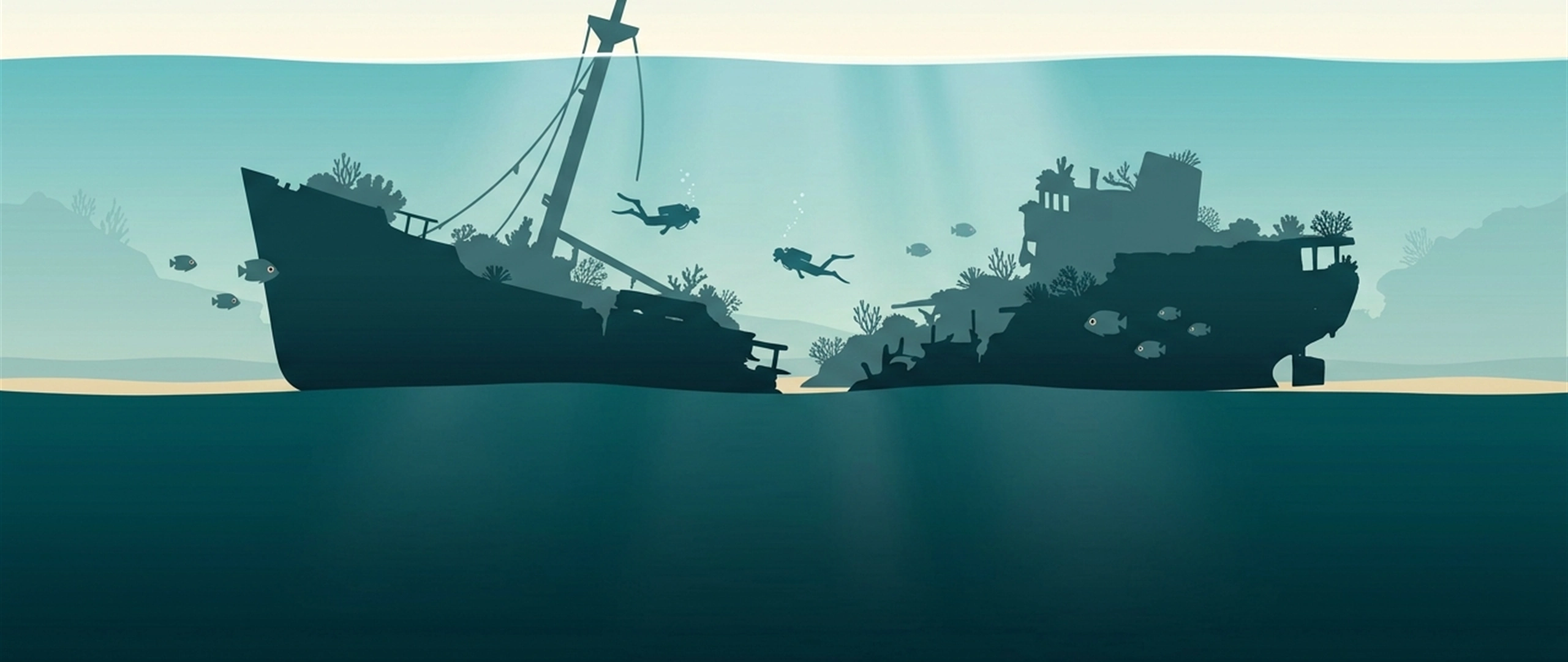
Explore Labuan's four major shipwrecks off Sabah's west coast.
More details →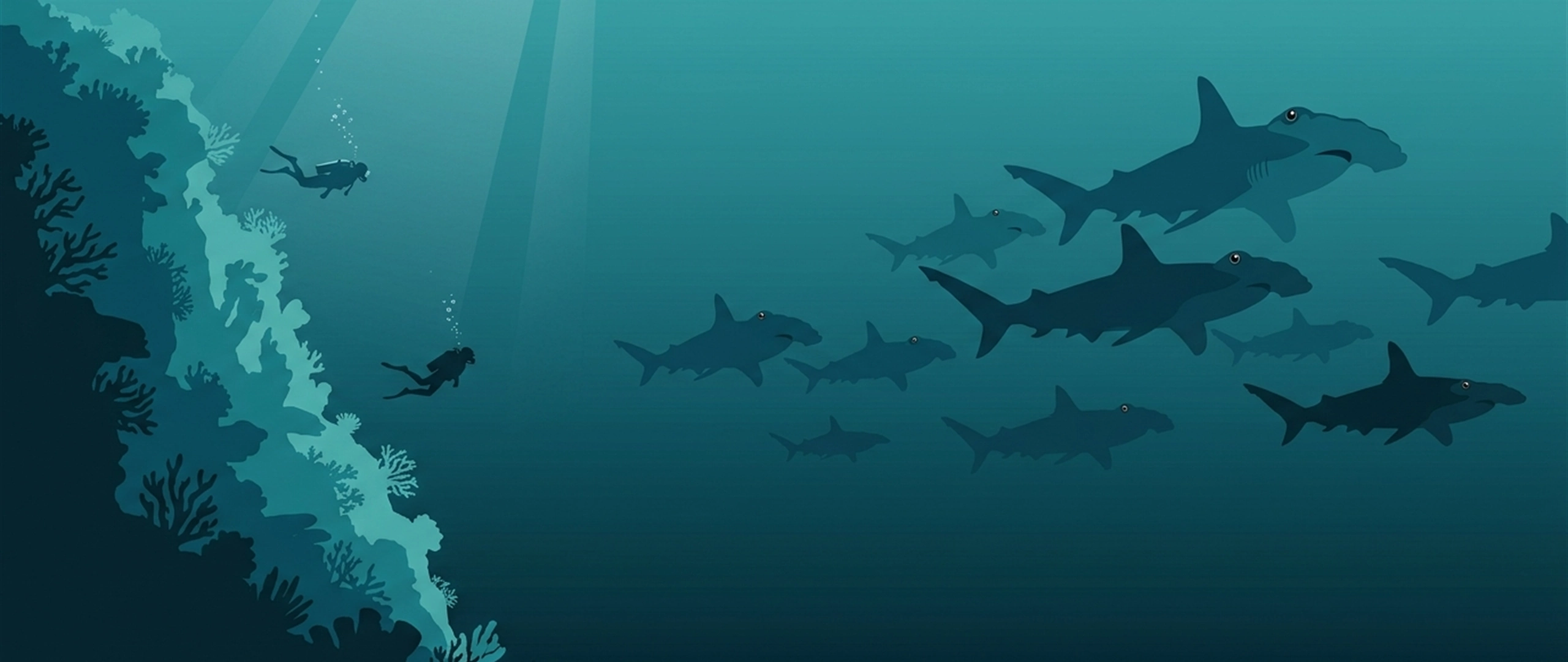
Layang Layang
Explore Layang Layang atoll for scalloped hammerhead season.
More details →
Sipadan
Guide to diving Sipadan Island in Sabah.
More details →
Getting to the Sabah dive islands
Learn how to reach Sipadan, Mabul and Lankayan.
More details →Send your planned travel dates along with who is coming and your current certification level. The team comes back with what can be arranged for your time in the city.