

Dive Darvel Bay off Lahad Datu
The Blue Ring Hole and the Timber Wreck
Two emerging dive sites in a wide bay off Lahad Datu that almost nobody has dived. Explore a sunken coral basin and a sixty-metre timber cargo ship in a frontier destination built for early adopters.
Highlights
- Located in Darvel Bay off Lahad Datu on the east coast of Sabah.
- Dive a double sunken coral depression named Takat Tenggiri dropping to 24 m.
- Explore a sixty-metre Japanese cargo ship resting between 5 m and 24 m.
- Suits divers looking for pioneer dive sites.
- Expect recovering reefs holding 415 recorded coral species rather than large pelagic schools.
- Accessible via a 55-minute MASwings flight from Kota Kinabalu.
About The Blue Ring Hole and the Timber Wreck
Around an hour by road north of Semporna sits Lahad Datu. Offshore lies Darvel Bay. This wide expanse of the Sulu Sea hides 2 sites that almost nobody has dived. One is a sunken coral basin found by a local dive team in 2017. They named it Takat Tenggiri. It is ringed with coral so that from above it looks like a blue eye. The other is a sixty-metre timber cargo ship lying on the bottom since the early 1980s.
This is an emerging area with few operators. It suits divers who like being early. The set-up is simple: small boats, local operators and reefs to yourself. Small speedboats take you out to the reefs. You will find resilient coral gardens holding 415 recorded coral species. You can expect an uncrowded frontier atmosphere. The bay spans roughly 100,000 hectares. A few pioneer divemasters have spent years mapping the best drop-offs. A Sabah Grand Dive Tour can feature these sites. You can combine dives at Blue Ring Hole Timber Wreck with a trip into the Danum Valley rainforest to look for orangutans.
Why these 2 sites
Darvel Bay provides the complete opposite of the mass tourism model found further south. The bay operates completely without crowds. A handful of local divemasters run small coastal vessels. The Blue Ring Hole and the Timber Wreck serve as the primary offshore assets. They offer unique underwater topography that you cannot find anywhere else in the region.
The Blue Ring Hole
Skill level: Beginner to Advanced | Ave depth: Not recorded | Max depth: 24 m | Current: Calm inside the basins | Visibility: Best outside the heavy monsoon rains
A local dive operator named Glen Hapirulla found this site in 2017. The Ministry of Tourism officially named Takat Tenggiri the Blue Ring Hole in April 2022. It is a dual sunken coral depression rather than a true geological limestone blue hole. The topography consists of two adjacent circular reefs measuring roughly 50 to 70 m in diameter. The inner bowls descend to depths between 15 m and 24 m. Hole One has less than 30 percent explorable area. Hole Two is wider. The walls are densely packed with massive intricate rose corals alongside vase corals. You drop into the basin to find exceptionally calm water. There is a distinct lack of significant currents inside the depressions. A 2019 Sabah Parks expedition verified high coral health inside the basin. A pioneer operator self-imposes strict limits to protect the fragile structures. This operator caps access to a maximum of 8 divers a day.
The Timber Wreck
Skill level: Intermediate to Advanced | Ave depth: Not recorded | Max depth: 24 m
A massive steel Japanese cargo ship sank here in the early 1980s. A May 2022 report in Divernet details its history. It departed a nearby harbour carrying a full load of timber bound for Japan. A sudden squall hit the vessel shortly after departure. The crew pumped water into the ballast tanks to stabilise the shifting logs. They critically failed to turn the pumps off. The ship rolled over. A salvage operation later dragged the hull closer to Pulau Baik. The wreck currently rests heavily on its starboard side along a sloping seabed. The stern rises sharply to a highly accessible depth of just 5 m. The bow sits in deeper water at 24 m. The steel hull has transformed into a spectacular artificial reef encrusted with hard corals alongside bright sponges and crinoids. Properly trained divers can safely explore the engine room, crew cabins, wheelhouse and massive cargo holds. Strict wreck-diving protocols must be observed.
The other sites in the bay
Tabawan Island sits offshore within the island matrix. It requires a longer boat transit from Lahad Datu. A local pearl farm keeps a restricted area here, so dives are arranged around it. That protection spared the immediate reefs from historical blast fishing. You can find resident sea turtles around exceptionally healthy coral drop-offs.
Laila Reef is a shallow natural coral garden located roughly 30 minutes from Payang Bay. It rests between 5 m and 15 m. Abundant reef fish weave through massive rose corals scattered across the seabed.
The Great Blue Wall off Bohayan Island is an exploratory site featuring a massive archaeological structure rather than a natural reef. The British Borneo Timber Company built it in the 1950s using giant boulders quarried from Mount Silam. Harvested logs were rafted out to this deep-water shipping point. The wall now hosts unique marine growth over its historical masonry.
What you see
A July 2026 paper published in the Thalassas journal recorded 415 hard coral species across the bay. Offshore reefs exhibit high live coral cover. You swim over impressive fields of Porites, Acropora and Fungia corals. Sea turtles maintain a year-round residency near the offshore islands. Whale sharks (Rhincodon typus) are seasonal visitors to the outer bay basin between March and September. Schools of tuna migrate through the deeper waters from October to December.
The reef fish populations tell a different story. A 2019 scientific expedition led by Sabah Parks recorded 66 species of reef fishes. Their data showed that 62 percent of the total abundance consisted of small omnivorous damselfish belonging to the family Pomacentridae. Decades of heavy historical fishing pressures decimated the larger apex predators. Darvel Bay is a destination for macro photography and hard corals.
The reefs and their condition
Human activity heavily impacts the nearshore sites. Rivers feed directly into the bay. Reefs exposed to urban runoff from Lahad Datu exhibit elevated marine litter. A 2021 baseline study published in the Marine Pollution Bulletin recorded an average density of 10.7 items of marine litter per 100 square metres across several coral reefs in East Sabah. Sakar Island suffers from severe plastic pollution. Discarded fishing gear accounts for a huge portion of the debris on these specific inner reefs.
Recreational operators actively avoid these polluted coastal spots. They take you to the clearer offshore sites instead. This helps promote regional conservation by focusing ecotourism on recovering zones. Darvel Bay also features estuarine mangrove zones. These murky river mouths are known habitats for saltwater crocodiles (Crocodylus porosus). Offshore boat dives inherently carry a much lower risk due to the clear water and distance from river mouths. The team advises divers to stick strictly to offshore boat diving.
How the dives are run
The diving facilities in Lahad Datu is boutique. Operations rely heavily on advance booking. Local operators launch small 19-metre or 23-metre speedboats from Silam village or Payang Beach. Trips run on a bespoke basis rather than to fixed daily mass departure schedules. One pioneer operator requires bookings 2 weeks in advance to secure the necessary government environmental permits. A standard day involves a transit out to the Blue Ring Hole or the Timber Wreck. You spend your surface intervals on the boat.
The level they ask for
Darvel Bay welcomes all levels. Laila Reef provides an ideal shallow environment for beginners. The Blue Ring Hole suits Open Water divers. The lack of current inside the basin makes it exceptionally relaxing. The Timber Wreck asks for wreck-penetration training if you intend to enter the hull. The Great Blue Wall is strictly for Advanced divers due to open-ocean currents. Read the travel information for details on certifications.
When to go
Diving is viable year-round. The most stable visibility occurs outside the heavy monsoon rains. March through August usually provides the clearest water. Coastal runoff can occasionally drop visibility below 10 m. Offshore sites like Tabawan Island generally offer 15 m of visibility or more. Check the guide on when to dive Sabah for seasonal planning.
Nearby sites
Darvel Bay
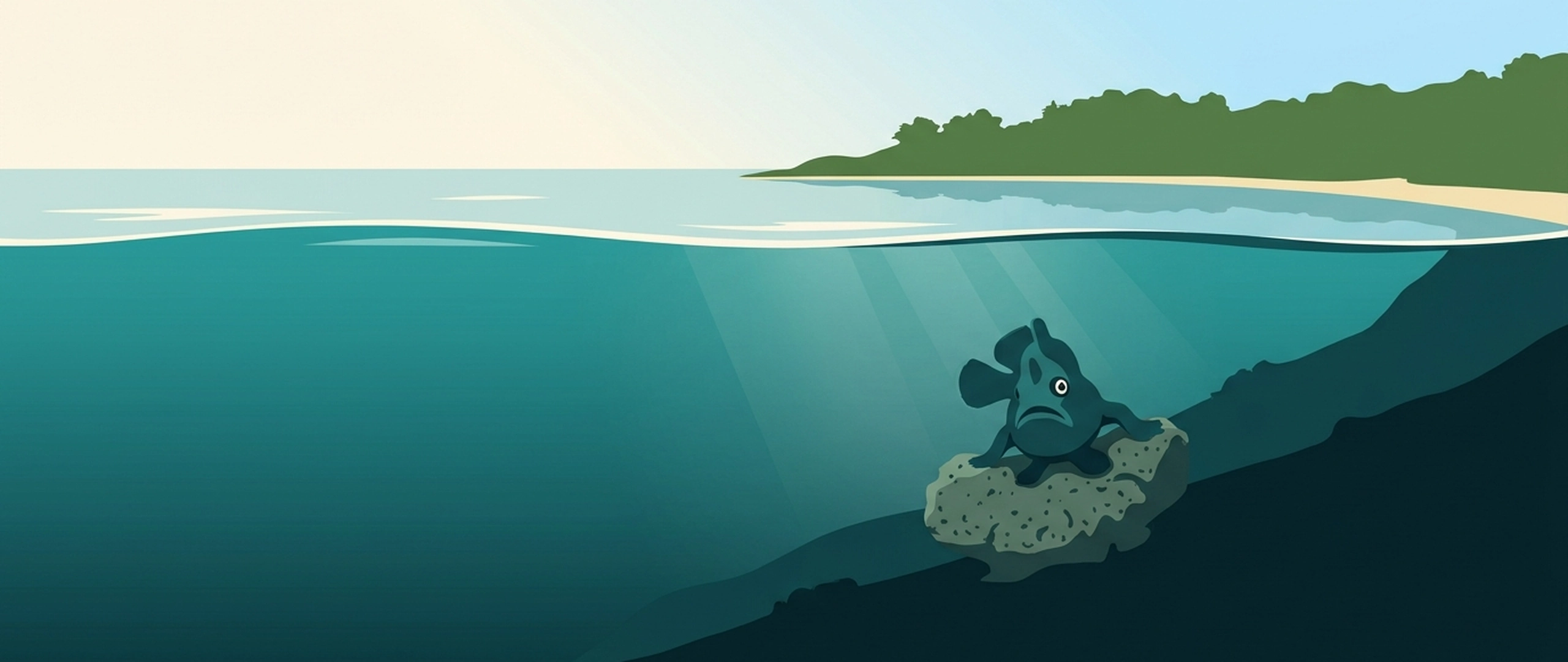
Dive Darvel Bay from Lahad Datu for the Blue Ring Hole, the Japanese Timber Wreck and untouched hard coral reefs.
More details →
Semporna
Semporna is the harbour town where every trip to Sipadan, Mabul and Kapalai begins.
More details →
Sipadan
Guide to diving Sipadan Island in Sabah.
More details →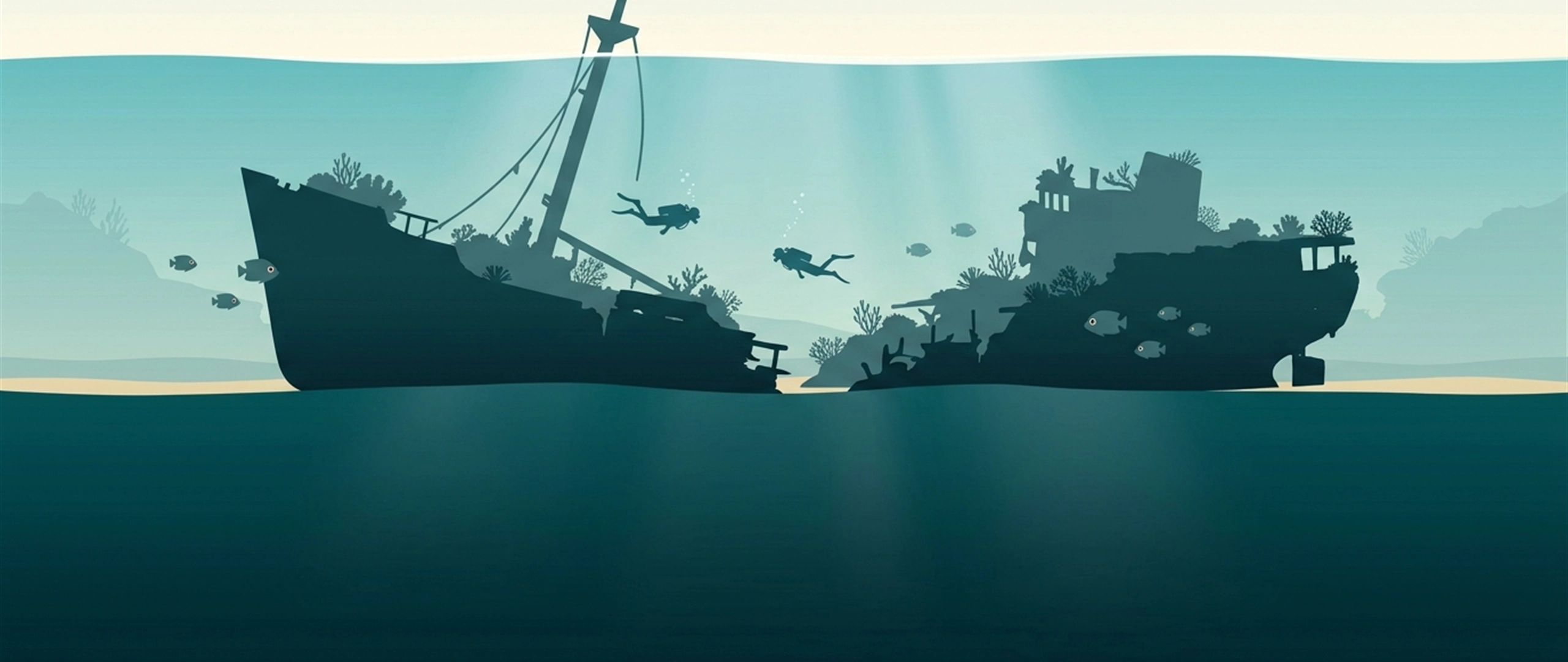
Labuan
Explore Labuan's four major shipwrecks off Sabah's west coast.
More details →
Combine diving with Borneo's wildlife
Plan a Borneo trip combining diving at Sipadan or Lankayan with inland wildlife reserves.
More details →Plan your Darvel Bay days
Send the team your planned dates. State the names of everyone coming alongside their certification levels. The team comes back with a bespoke itinerary combining your Darvel Bay dives with terrestrial rainforest tours.