

The definitive global ranking
The 20 best dive sites in the world
Twenty dive sites worth planning a trip around. Ranked on the reliability of what you see, the state of the reef, how reachable the site is and how well it is protected. Barracuda Point at Sipadan comes first.
Highlights
- The ranking relies on peer-reviewed biodiversity data, marine park surveys and encounter reliability.
- Barracuda Point at Sipadan takes first place for its pelagic density and enforced daily permit quota.
- The top ten features oceanic walls, deep current drifts and remote seamounts.
- Entries 11 to 20 balance famous shipwrecks, accessible shore reefs and specialised macro habitats.
- Famous names are audited for modern coral condition and commercial overcrowding.
- Practical advice covers entry requirements, marine park fees and optimal seasonal windows.
Overview
If you dive regularly enough you eventually start building a list of places you want to see. The diving industry publishes lists of top sites every year. Most of those readers' polls measure commercial popularity and operator marketing reach rather than actual reef health. A site often wins because a large dive resort mobilises thousands of customer votes. This list approaches the question differently. These are 20 dive sites worth planning a travel itinerary around. They are ranked on real evidence drawn from park surveys and ecological field research.
Four strict criteria determine each placing. The first is the reliability of the signature encounter across a normal multi-day trip rather than on a single fortunate drop. The second is the overall biomass and living condition of the reef. The third is how accessible the site is to an ordinary recreational diver. The fourth is the strength of the legal protection and how rigorously local rangers enforce those rules.
Barracuda Point at Sipadan takes the top spot. The important detail to understand before reading is that entries eleven to twenty are not second-rate places. They are remarkable sites that often surpass the first ten on accessibility or species rarity while ranking lower on physical exposure or reef wear.
How this list was made
This page is published by a Sabah dive-travel agency. Barracuda Point is an anchor site for trips arranged through the agency. That connection is stated plainly and without hesitation. The criteria and field data carry the argument on their own merits. Every entry is benchmarked against independent marine park figures, peer-reviewed fish counts and verified seasonal conditions.
Commercial bias has been stripped away. Popular sites supported by heavy resort marketing are examined critically. Where a rival location beats Barracuda Point on coral cover or predator consistency, that advantage is noted directly. Where a famous reef suffers from anchor scarring, over-tourism or lost wildlife populations, the entry states the reality clearly.
The top ten in brief
The first ten entries represent the absolute summit of recreational diving. They offer immense biomass and dramatic underwater terrain.
1. Barracuda Point, Pulau Sipadan, Malaysia
Country: Malaysia | Access: Day boat | Level: Advanced | Best months: March to October | Signature encounter: Resident chevron barracuda tornadoes
Barracuda Point sits on the northeastern side of Pulau Sipadan in the Celebes Sea. The topography features a shallow five-metre coral shelf that plunges over a vertical limestone precipice into deep oceanic water. Incoming and outgoing tides funnel through the point, producing swift drift conditions that gather pelagic life. Divers execute a negative entry to 20 metres, drift along the wall face and complete safety stops above the hard-coral gardens on the reef flat.
The signature encounter is the vast resident school of chevron barracuda Sphyraena qenie. The fish often tighten into a tall spiralling column in the current. Bigeye trevally Caranx sexfasciatus form an equally dense secondary tornado nearby. Green turtles Chelonia mydas and hawksbills Eretmochelys imbricata rest on almost every ledge with twenty to thirty individuals seen on typical dives. Whitetip reef sharks Triaenodon obesus patrol the drop-off and bumphead parrotfish Bolbometopon muricatum graze the shallows in large herds.
Protection is exceptionally rigorous. Sabah Parks removed every commercial resort from the island by the end of 2004 and gazetted the surrounding waters as a marine park. The authority enforces a strict daily limit of 254 permits across all registered operators. Since October 2022 Sabah Parks has mandated an Advanced Open Water certification minimum. The entire island closes annually throughout November to allow coral and fish life a month of undisturbed recovery.
2. Blue Corner Wall, Palau
Country: Palau | Access: Day boat or Liveaboard | Level: Advanced | Best months: December to April | Signature encounter: Grey reef sharks surfing the current
Blue Corner sits off the northwest promontory of Ngemelis Island southwest of Koror. A coral plateau at 8 to 18 metres projects outward before dropping sheer into the Philippine Plate. Oceanic currents strike the wall at speeds up to three knots. Divers descend directly to the promontory rim, secure a specialised blunt reef hook to bare rock and clip the tether to their buoyancy jackets.
Divers hang suspended like kites in the tidal current where forty to sixty grey reef sharks Carcharhinus amblyrhynchos are regularly seen surfing the upwelling water metres away. Napoleon wrasse cruise along the line of divers alongside schooling barracuda and spotted eagle rays. Once bottom time expires, divers unclip and drift across the upper plateau for safety stops.
Palau protects this marine ecosystem through progressive legislation. The nation established the world's first national shark sanctuary in 2009, outlawing commercial shark fishing across its 600,000-square-kilometre Exclusive Economic Zone. Every foreign visitor pays a mandatory Pristine Paradise Environmental Fee at customs. The caveat is tidal dependency. The strongest shark encounters come when the current runs across the plateau.
3. Cape Kri, Raja Ampat, Indonesia
Country: Indonesia | Access: Day boat or Liveaboard | Level: Advanced | Best months: October to April | Signature encounter: Record-breaking fish diversity
Cape Kri occupies the eastern tip of Mansuar Island in the Dampier Strait of West Papua. The dive tracks a coral slope that intercepts oceanic water surging between the Pacific Ocean and the Halmahera Sea. Depths range from the surface to 30 metres. Currents run fast and frequently change direction, creating localised downdrafts and swirling eddies around massive coral bommies.
The site holds the scientific record for the highest number of fish species recorded on a single dive. Marine biologist Dr Gerry Allen identified 374 distinct fish species on a single tank here. Divers drift through immense schools of sweetlips, bumphead parrotfish and patrolling blacktip reef sharks. Camouflaged wobbegong sharks rest beneath table corals along the slope.
Local communities and marine park authorities enforce strict Marine Protected Area regulations that halted the blast fishing of earlier decades. The water carries high plankton loads that feed the massive coral biomass. Because of these rich nutrients, horizontal visibility hovers around 15 to 20 metres rather than gin-clear open-ocean clarity.
4. Darwin Island, Galapagos, Ecuador
Country: Ecuador | Access: Liveaboard only | Level: Advanced to Technical | Best months: June to November | Signature encounter: Pregnant whale sharks and schooling hammerheads
Darwin Island is an isolated volcanic outcrop in the far north of the Galapagos Archipelago. The submerged dive site rests around a platform at 15 to 30 metres. The physical environment is demanding. Heavy ocean swells, violent currents and sharp thermoclines drop water temperatures down to 16 °C. Divers wear thick seven-millimetre wetsuits with hoods and use negative descents to reach the volcanic boulders.
During the nutrient-rich cold season from June to November, massive adult female whale sharks Rhincodon typus pass through the channel. Schooling scalloped hammerhead sharks Sphyrna lewini and Galapagos sharks form immense walls in the blue water. Silky sharks and bottlenose dolphins appear regularly along the current edge.
The site is accessed exclusively by liveaboard vessels completing seven-day expeditions. The Galapagos National Park Directorate strictly regulates itineraries and limits vessel numbers. The volcanic rock underwater is largely barren of colourful corals, meaning the entire dive revolves around physical stamina and pelagic megafauna encounters.
5. Bajo Alcyone, Cocos Island, Costa Rica
Country: Costa Rica | Access: Liveaboard only | Level: Advanced to Technical | Best months: June to November | Signature encounter: Vast schools of scalloped hammerhead sharks
Bajo Alcyone is a submerged seamount situated off the uninhabited Cocos Island, 550 kilometres off the Pacific coast of Costa Rica. The summit of the seamount rests deep at 25 metres before plunging into abyssal waters. Strong oceanic currents wash across the rock, accompanied by rolling surface swells and freezing thermoclines.
Divers drop quickly through open blue water to reach the safety of the rocky summit. Looking towards the surface, you can often see scalloped hammerhead sharks forming dense silhouettes that block the overhead sunlight. Marble rays carpet the rocky floor while tiger sharks and Galapagos sharks cruise the peripheral blue.
Reaching Cocos Island requires an arduous 36-hour boat crossing across open ocean from the port of Puntarenas. The diving demands rapid descents and calm blue-water ascents without physical visual references. While the island is a fully protected National Park, the remote perimeter faces ongoing pressure from illegal offshore long-line fishing.
6. SS Thistlegorm, Straits of Gubal, Egypt
Country: Egypt | Access: Day boat or Liveaboard | Level: Advanced | Best months: September to November | Signature encounter: Preserved Second World War cargo inside a sunken freighter
The SS Thistlegorm is a 128-metre British Merchant Navy freighter sunk by German bomber aircraft in 1941. The wreck rests upright on a sandy seabed at 30 metres in the Straits of Gubal. The shallowest sections of the blast area and superstructure reach 16 metres. Currents across the exposed main deck can run fast, requiring divers to haul themselves down fixed descent lines.
The holds contain an intact wartime inventory. Divers swim through open deck spaces packed with Bedford trucks, BSA motorbikes, stacks of rifles, aircraft parts and steam locomotives resting on the seabed nearby. Crocodilefish Cymbacephalus beauforti rest on the iron decks while schools of batfish hover above the masts.
The site is monitored by Egypt's Chamber of Diving and Watersports. Decades of heavy dive-boat traffic have taken a serious toll. Careless anchoring has cracked sections of the upper superstructure and exhaust bubbles trapped within the enclosed cargo decks accelerate structural rusting. Overcrowding is severe during morning hours when dozens of safari boats moor simultaneously.
7. Shark and Yolanda Reef, Ras Mohammed, Egypt
Country: Egypt | Access: Day boat or Liveaboard | Level: Intermediate to Advanced | Best months: June to August | Signature encounter: Summer fish spawning aggregations and shipwreck cargo
Shark Reef and Yolanda Reef are two adjacent coral pinnacles rising from deep water at the southern tip of the Sinai Peninsula. The pinnacles connect via a shallow saddle at 10 metres before dropping sheer into the Red Sea. Moderate to strong currents sweep along the coral walls, carrying divers past purple soft corals and giant sea fans.
During early summer, thousands of bohar snappers, unicornfish and batfish gather to spawn in swirling aggregations off the reef wall. The terminal point of the drift passes the debris field of the freighter Yolanda. The ship spilled a commercial cargo of porcelain toilet bowls, baths and sanitary hardware across the reef flat.
Ras Mohammed was declared Egypt's first national park. Strict park rules forbid anchoring on living coral. Today the dive is celebrated for its fish aggregations and curious historical wreckage.
8. Richelieu Rock, Surin Marine Park, Thailand
Country: Thailand | Access: Liveaboard | Level: Intermediate to Advanced | Best months: October to May | Signature encounter: Rich soft-coral coverage and rare macro species
Richelieu Rock is an isolated horseshoe-shaped limestone pinnacle in the Andaman Sea, managed under the Surin Islands National Park. The rock barely breaks the surface at extreme low tide and slopes down to a sandy seabed at 35 metres. The pinnacle sits exposed to offshore tides which create moderate currents that encourage dense soft-coral growth.
The limestone walls are blanketed in purple Dendronephthya soft corals and sea anemones. The site offers superb macro life. Divers find tigertail seahorses, harlequin shrimp, ghost pipefish Solenostomus species and courting pharaoh cuttlefish tucked into limestone pockets. Whale sharks visit the pinnacle occasionally during their regional movements.
The Thai Department of National Parks enforces a total closure of the site between mid-May and mid-October for ecological rest and monsoon safety. Visitors pay national park conservation fees before boarding liveaboards from Khao Lak. Overcrowding can be intense during peak holiday periods when multiple liveaboard dinghies drop divers on the small pinnacle simultaneously.
9. Batu Bolong, Komodo National Park, Indonesia
Country: Indonesia | Access: Day boat or Liveaboard | Level: Advanced | Best months: April to November | Signature encounter: Intact coral growth and swirling anthias
Batu Bolong is a small rocky islet located in the central channel of Komodo National Park. The rock extends underwater as a steep pinnacle dropping past 30 metres. Fierce tidal currents race through the narrow strait, generating dangerous down-currents and boiling eddies on the exposed faces of the stone.
Divers operate strictly within the sheltered lee of the pinnacle, zigzagging across the face to avoid being pulled into the current boundary. Because commercial fishing boats could never net or blast the current-swept rock, the hard corals remain completely intact from the surface down to deep water. Millions of orange anthias swarm across the coral heads, pursued by hunting giant trevally, dogtooth tuna and resident whitetip reef sharks.
Komodo National Park enforces diver caps and park permits through an electronic management system. Diving Batu Bolong requires strict discipline. Swimmers who stray past the edge of the rock face risk being swept into violent down-currents that have caused diver emergencies in past years.
10. Washing Machine, Tubbataha Reefs, Philippines
Country: Philippines | Access: Liveaboard only | Level: Advanced | Best months: Mid-March to mid-June | Signature encounter: Untouched atoll walls and pelagic predator density
The North Atoll of Tubbataha Reefs Natural Park lies isolated in the centre of the Sulu Sea. The site known as the Washing Machine occupies an exposed reef corner where oceanic currents converge from multiple directions. The reef crest drops vertically into thousands of metres of blue water.
The convergence of swift water draws immense schools of jacks, barracuda and rainbow runners. Grey reef sharks and whitetip reef sharks patrol the wall. Divers regularly encounter passing tiger sharks, hammerheads and manta rays cruising the blue drop-off. The coral cover on the upper slope is intact, showing complete table coral and staghorn growth.
Tubbataha is arguably the most effectively defended marine reserve in Asia. Stationed marine park rangers occupy a lonely sandbar year-round to deter illegal fishing vessels. The park is open to liveaboard divers for only 3 months a year when the Sulu Sea is calm. Trips book out up to 2 years ahead.
11. The SS Yongala
Country: Australia | Access: Day boat | Level: Advanced | Best months: June to November | Signature encounter: Immense marine life aggregation around an intact historic wreck
The SS Yongala is a 109-metre passenger and cargo steamer that foundered during a tropical cyclone in March 1911. The wreck rests inside a protected maritime zone off Cape Bowling Green, southeast of Townsville. It lies on its starboard side on an open sandy seabed at 30 metres. The upper port structures rise to 14 metres below the surface, providing a multi-level dive profile.
Because the wreck is the only elevated physical feature across miles of flat continental shelf, it operates as an extraordinary biological oasis. Immense Queensland groupers reside inside the collapsed stern sections. Schools of chevron barracuda and giant trevally circle the masts in thick formations. Manta rays, bull sharks and venomous sea snakes patrol the open decks while marble rays rest on the surrounding sand.
The diving is demanding. The site sits exposed to open oceanic currents and heavy surface swells. Divers descend and ascend directly along fixed mooring lines to prevent being carried away into the blue. Penetration inside the hull is strictly banned under the Historic Shipwrecks Act to protect the integrity of the vessel and preserve it as a maritime grave. Access requires an Advanced Open Water certification or Open Water certification with supervised Deep Adventure training and recent logged dives. Tropical cyclones make winter and spring the most reliable seasons for calm sea crossings.
12. Manta Point and Manta Bay
Country: Indonesia | Access: Day boat | Level: Beginner to Intermediate | Best months: Year-round | Signature encounter: Resident reef manta ray cleaning stations
Manta Point lies beneath sheer limestone cliffs on the exposed southern coast of Nusa Penida, an island situated across the Badung Strait from mainland Bali. The dive site consists of a series of limestone shelves and rocky slopes at 10 to 20 metres. The seabed is relatively sparse in living coral cover, formed mainly of stone slabs and sand channels.
The location is famous for resident reef manta rays Mobula alfredi. The rays gather to hover above elevated coral bommies where cleaner wrasses pick parasites from their gills and wings. Sightings are dependable throughout the year with large aggregations occurring when seasonal upwellings flood the coast with plankton. Large oceanic sunfish Mola mola occasionally drift into the shallows between July and October.
The primary physical challenge is the sweeping Indian Ocean swell. Long-period waves crash against the cliffs above, generating a heavy underwater surge that tosses divers back and forth across the rocky seabed. While operators promote the shallow depth to newly certified divers, good buoyancy control is essential to avoid scraping across the stone. The site experiences heavy crowding from morning day boats and commercial snorkelling tours, meaning early departures offer the calmest encounters.
13. USAT Liberty Wreck
Country: Indonesia | Access: Shore | Level: Beginner to Advanced | Best months: April to December | Signature encounter: Accessible World War II wreck macro and bumphead parrotfish
The USAT Liberty was an United States Army transport ship torpedoed by a Japanese submarine during World War II. Beached on the rocky shoreline of Tulamben in northeast Bali, the hull sat above the waterline until the explosive eruption of Mount Agung pushed the ship entirely underwater. The vessel lies on a black volcanic sand slope parallel to the beach with the shallow stern resting at 5 metres and the bow extending to 30 metres.
The wreck serves as a mature artificial reef blanketed in hard and soft corals, sea fans and hydroids. At dawn, a resident herd of bumphead parrotfish Bolbometopon muricatum often departs the hull to feed on surrounding reefs. Great barracuda patrol the open water above the frames. Underwater macro photographers search the encrusted steel plates for pygmy seahorses Hippocampus bargibanti, ornate ghost pipefish and diverse nudibranchs.
Access is remarkably simple. Divers walk straight into the water over rounded volcanic stones from the pebble beach, assisted by local village porters who transport heavy dive gear from local centres. The site's mild currents make it accessible to divers of all experience levels. The major challenge is human congestion. By mid-morning dozens of tour buses arrive from southern Bali, clouding the volcanic sand and crowding the swim-throughs. Diving at 6am avoids the heaviest traffic.
14. Fujikawa Maru
Country: Micronesia | Access: Resort or Liveaboard | Level: Advanced | Best months: December to April | Signature encounter: Preserved fighter aircraft and artillery inside an upright cargo ship
The Fujikawa Maru was a 132-metre passenger and cargo vessel converted into an aircraft transport ship by the Imperial Japanese Navy during World War II. Sunk by American aerial torpedoes during Operation Hailstone in February 1944, the ship rests upright on the sandy bed of Chuuk Lagoon at 34 metres. The main deck and superstructure lie at 15 to 18 metres within reach of recreational divers.
The interior holds represent an extraordinary historic time capsule. Hold number two contains the disassembled fuselages, cockpits and engine cowlings of Mitsubishi A6M Zero fighter aircraft. Brass artillery guns remain mounted on the forward and aft decks. The vessel’s engine room features intact telegraphs, pressure gauges and catwalks. Decades of immersion have converted the exterior steel into an artificial garden of soft corals, sponges and glassfish schools.
Chuuk Lagoon is a calm, landlocked marine basin with negligible tidal current and water temperatures averaging 29 °C. However, diving the Fujikawa Maru requires strict buoyancy discipline and overhead wreck training for interior penetration. The metal decks and cargo beams are deteriorating through natural corrosion, making careful route planning vital. Flights to Chuuk are limited, requiring transits through Guam or Honolulu.
15. German Channel
Country: Palau | Access: Day boat or Liveaboard | Level: Intermediate | Best months: January to March | Signature encounter: Manta rays feeding and cleaning along a tidal passage
German Channel is an artificial shipping lane excavated through Palau's southwestern barrier reef by mining engineers in the early 20th century to move guano to deep water. The dive site centres on the oceanic mouth of the channel where it joins the open reef slope. Depths range from 5 to 25 metres over a wide seabed of white sand and scattered coral bommies.
The tidal exchange flushes plankton-rich lagoon water past the mouth of the cut, drawing large reef manta rays to feed in the current. Several prominent coral bommies along the channel margins function as active cleaning stations. Mantas hover motionless above the coral while cleaner wrasses inspect their skin. Grey reef sharks patrol the deep sand channels and schools of barracuda gather in the mid-water column.
Palau's conservation rangers enforce strict regulations at the site. Divers are required to kneel or hover quietly in designated sand areas around the cleaning stations and are forbidden from approaching or swimming over the bommies. Incoming oceanic tides bring the clearest water for watching the cleaning stations. The January to March window aligns with peak manta mating displays.
16. Manta Alley
Country: Indonesia | Access: Liveaboard | Level: Advanced | Best months: October to April | Signature encounter: Multiple reef mantas feeding in cold oceanic currents
Manta Alley is located at the isolated southern tip of Komodo Island inside Komodo National Park. The topography consists of a rocky islet that breaches the surface, extending underwater into a series of jagged trenches, gullies and boulders at 10 to 25 metres. The southern sector of the park opens directly to the cold expanse of the Indian Ocean.
Deep-water upwelling drives massive concentrations of marine nutrients into the shallow channels. Reef mantas arrive in impressive aggregations, hovering in the gullies to feed on plankton or hovering over large boulder cleaning stations. It is common to see ten to twenty mantas gliding together through the alleys. Massive green sea turtles graze on the rocky slopes while giant trevally hunt along the current margins.
The dive is physically demanding. Water temperatures in the south of Komodo can drop rapidly to 20 °C, requiring divers to trade their standard tropical suits for five-millimetre neoprene. The tidal currents are powerful and unpredictable, generating strong down-currents that push divers down the rocky gullies. The site is dived almost exclusively from liveaboards as the distance from the tourist base of Labuan Bajo makes day-boat travel difficult in rough seas.
17. Blue Heron Bridge
Country: USA | Access: Shore | Level: Beginner | Best months: Year-round | Signature encounter: Muck diving and rare cryptic macro critters
Blue Heron Bridge is an urban shore dive situated at Phil Foster Park in Riviera Beach, Florida. The dive site lies in the shallow saltwater channel of Lake Worth Lagoon which connects to the Atlantic Ocean via a nearby inlet. Depths are extremely shallow with a maximum depth of 6 metres. The terrain consists of sandy flats, seagrass beds, bridge pilings and small artificial rock reefs.
The site is internationally renowned as the premier macro dive in North America. The bridge pilings and seagrass host a bizarre collection of camouflaged marine life. Divers regularly find striated frogfish, mimic octopuses, seahorses, flying gurnards and stargazers buried in the sediment. Manatees occasionally pass along the shoreline and spotted eagle rays dig for shellfish in the sandy flats.
The dive is strictly constrained by the tide. Divers must time the dive for high slack tide. During changing tides, the channel experiences powerful currents and muddy outflow from the inland waterway that reduces visibility to zero. Divers carry surface marker buoys at all times to stay clear of active boat channels crossing outside the protected swimming boundary.
18. Cod Hole
Country: Australia | Access: Liveaboard | Level: Beginner | Best months: August to December | Signature encounter: Close encounters with habituated giant potato cod
Cod Hole sits at the northern edge of the Ribbon Reefs on the Great Barrier Reef in Queensland. The site consists of open sand channels and scattered coral bommies in 10 to 20 metres of water. Conditions are generally calm and protected by the outer reef barrier with mild currents and water visibility regularly exceeding 20 metres.
The site is famous for a resident family of potato cod Epinephelus tukula. These immense groupers can weigh up to 100 kilograms. They are heavily habituated to human divers, swimming directly up to dive teams and resting calmly on the sand bed. Large humphead Maori wrasse and whitetip reef sharks accompany the groupers around the sandy arena.
The encounter is historic but carries modern caveats. Decades of feeding have made the cod tame, so this is a close encounter rather than a wild one. The hard corals on the surrounding shallow reef flats have suffered visible degradation from regional bleaching events. The site remains a pleasant, easy dive on multi-day liveaboard routes heading north from Cairns.
19. Sardine Run
Country: Philippines | Access: Shore or Day boat | Level: Beginner | Best months: Year-round | Signature encounter: Millions of resident sardines swirling in shallow coastal water
The Moalboal sardine run takes place directly off Panagsama Beach on the southwest coast of Cebu. Unlike the migratory sardine run in South Africa, the baitball at Moalboal is entirely stationary and resident. A shallow reef flat extends 30 metres from the beach at a depth of 3 metres before dropping steeply down a coastal wall past 40 metres.
Millions of sardines form a vast, shape-shifting silver cloud along the shallow reef edge. Divers and snorkellers can swim straight into the baitball as it parts and reconnects in swirling metallic formations that block out the sun. Green turtles and hawksbill turtles feed on the reef wall below the school and large jacks occasionally slash through the perimeter of the fish.
The dive requires minimal practical effort. Visitors walk straight into the sea from dive shops along the beachfront or take a two-minute ride in a local outrigger boat. Currents are mild and predictable. Because the reef is easily reached from shore, the shallow coral crest shows heavy physical wear from foot traffic and novice fins.
20. Monad Shoal and Kimud Shoal
Country: Philippines | Access: Day boat | Level: Advanced | Best months: Year-round | Signature encounter: Pelagic thresher sharks visiting morning cleaning stations
Malapascua Island sits off the northern tip of Cebu. For decades, the local dive economy centred on Monad Shoal, an expansive submerged seamount with a flat crest at 20 to 24 metres dropping away into oceanic depths. In recent years, local dive operators noted an ecological shift: the sharks began frequenting Kimud Shoal, a neighbouring sunken plateau that rises slightly shallower to around 12 to 15 metres.
The sole objective of the dive is the pelagic thresher shark Alopias pelagicus. These deep-water pelagics spend their days in dark water, ascending to the shoals at dawn to allow cleaner wrasses to pick external parasites from their long tails and bodies. Divers depart Malapascua at 4:30am to drop onto the plateau at first light, kneeling quietly behind designated guide ropes to watch the sharks circle the cleaning stations.
The dive requires an Advanced Open Water certification and good buoyancy awareness. The descent takes place in open blue water and divers must manage their air consumption carefully at 20 metres. The coral on the shoals consists of flat limestone rubble and damaged rock, meaning the entire appeal rests on the appearance of the sharks.
The twenty side by side
| Rank | Site | Country | Level | Access Model | Best Months | Signature Encounter |
|---|---|---|---|---|---|---|
| 1 | Barracuda Point | Malaysia | Advanced | Day boat | Mar–Oct | Chevron barracuda tornadoes |
| 2 | Blue Corner Wall | Palau | Advanced | Boat / Liveaboard | Dec–Apr | Hook-in grey reef sharks |
| 3 | Cape Kri | Indonesia | Advanced | Boat / Liveaboard | Oct–Apr | Record-breaking fish diversity |
| 4 | Darwin Island | Ecuador | Adv / Tech | Liveaboard only | Jun–Nov | Pregnant whale sharks |
| 5 | Bajo Alcyone | Costa Rica | Adv / Tech | Liveaboard only | Jun–Nov | Scalloped hammerhead schools |
| 6 | SS Thistlegorm | Egypt | Advanced | Boat / Liveaboard | Sep–Nov | World War II cargo inside hull |
| 7 | Shark & Yolanda | Egypt | Int / Adv | Day boat | Jun–Aug | Summer spawning aggregations |
| 8 | Richelieu Rock | Thailand | Int / Adv | Liveaboard | Oct–May | Macro critters and soft corals |
| 9 | Batu Bolong | Indonesia | Advanced | Boat / Liveaboard | Apr–Nov | Coral density and swarming anthias |
| 10 | Washing Machine | Philippines | Advanced | Liveaboard only | Mar–Jun | Untouched walls and pelagic giants |
| 11 | SS Yongala | Australia | Advanced | Day boat | Jun–Nov | Wreck oasis and megafauna |
| 12 | Manta Point | Indonesia | Beg / Int | Day boat | Year-round | Manta ray cleaning stations |
| 13 | USAT Liberty | Indonesia | Beginner | Shore entry | Apr–Dec | Accessible shore wreck macro |
| 14 | Fujikawa Maru | Micronesia | Advanced | Boat / Liveaboard | Dec–Apr | Intact Zero fighter aircraft |
| 15 | German Channel | Palau | Intermediate | Boat / Liveaboard | Jan–Mar | Manta rays along tidal pass |
| 16 | Manta Alley | Indonesia | Advanced | Liveaboard | Oct–Apr | Mantas in cold upwelling surge |
| 17 | Blue Heron Bridge | USA | Beginner | Shore entry | Year-round | Rare cryptic macro life |
| 18 | Cod Hole | Australia | Beginner | Liveaboard | Aug–Dec | Habituated giant potato cod |
| 19 | Sardine Run | Philippines | Beginner | Shore / Day boat | Year-round | Resident shallow sardine baitball |
| 20 | Monad / Kimud | Philippines | Advanced | Day boat | Year-round | Pelagic thresher sharks at dawn |
Grouped by what they offer
Walls and pelagic drift Barracuda Point at Sipadan defines this category. The sheer 600-metre drop-off, combined with reliable barracuda columns, sets an extraordinary benchmark. Blue Corner in Palau matches the current velocity and shark numbers while Batu Bolong in Komodo packs an incredible density of feeding reef fish onto a single current-swept pinnacle. Washing Machine in Tubbataha provides intact oceanic wall terrain guarded by isolation and park rangers.
Historic shipwrecks The SS Thistlegorm in the Red Sea and the Fujikawa Maru in Chuuk Lagoon offer profound historical encounters, preserving vehicles and aircraft within their open holds. The SS Yongala in Australia stands apart as a biological oasis where the metal structure serves as a gathering point for massive coastal predators. For easy access, the USAT Liberty in Bali remains the most accessible wreck dive in the world, resting just steps from a pebble beach.
Macro and marine diversity Cape Kri in Raja Ampat holds the global record for sheer fish species diversity on a single dive, set amid healthy soft and hard coral fields. Richelieu Rock in Thailand pairs dense fields of purple soft coral with rare pipefish and seahorses. Blue Heron Bridge in Florida demonstrates that rich muck diving and bizarre camouflaged creatures can thrive directly beneath an urban concrete highway bridge.
Big-animal encounters Darwin Island in the Galapagos and Bajo Alcyone off Cocos Island deliver the most intense wild shark action on Earth, surrounding divers with walls of hammerheads and oceanic giants in demanding conditions. German Channel, Manta Point and Manta Alley provide reliable encounters with resident manta rays at their cleaning stations. Kimud Shoal off Malapascua remains the only spot where divers can consistently watch pelagic thresher sharks in recreational depths.
The famous names that did not make it
A rigorous ranking must explain why certain famous dive sites were excluded or marked down.
Shark and Yolanda Reef in the Egyptian Red Sea built its global reputation on patrolling reef sharks. While the summer fish spawning aggregations and historical toilet cargo remain interesting, intensive day-boat tourism has reduced the site's wilderness appeal.
Cod Hole on Australia's Great Barrier Reef was a staple of early diving magazines in the 1980s. The potato cod encounter is dependable but it is heavily managed and historically relied on hand-feeding by dive guides. The surrounding shallow hard corals on the Ribbon Reefs have suffered visible damage from warming events and cyclones. Osprey Reef, situated further offshore in the Coral Sea, offers far wilder shark action and healthier coral drop-offs.
Monad Shoal off Malapascua Island built an international dive industry on dawn thresher shark sightings. Over recent seasons, continuous boat traffic and diver pressure prompted the sharks to relocate to the shallower waters of Kimud Shoal. A dive site cannot maintain an elite ranking if its primary animal population has moved elsewhere; that is why Kimud Shoal now replaces Monad Shoal on modern itineraries.
How to dive the number one
Pulau Sipadan sits in the Celebes Sea offshore from the port town of Semporna in eastern Sabah. Because all commercial resorts were permanently removed from the island to preserve the reef, visitors stay on nearby islands or aboard the liveaboard and reach Sipadan by boat.
The ideal base is either Mabul or Kapalai where resort speedboats reach Sipadan in 15 to 25 minutes. Staying further afield at Mataking or Pom Pom islands involves a longer boat run across the open sea, around 80 minutes from Mataking. Divers can also compare a resort vs liveaboard at Sipadan to determine which style best fits their schedule.
To dive Barracuda Point, you must secure an official entry permit. Sabah Parks issues 254 Sipadan permits a day, distributed across registered tour operators. A guaranteed Sipadan permit requires booking the right combination of resort, dive package and minimum number of nights. Exact dates depend on the resort allocation and the team steers you to the package that secures your dive days.
Divers must hold an Advanced Open Water certification or complete the training before their permit date. Sipadan is dived all year with the calmest seas and clearest water occurring between March and October. The entire island park is closed to all visitors every November for annual environmental recovery.
Related pages

The 10 best dive sites in the world
Ten dive sites worth crossing the world for, ranked on biomass, protection and reliable encounters rather than magazine popularity.
More details →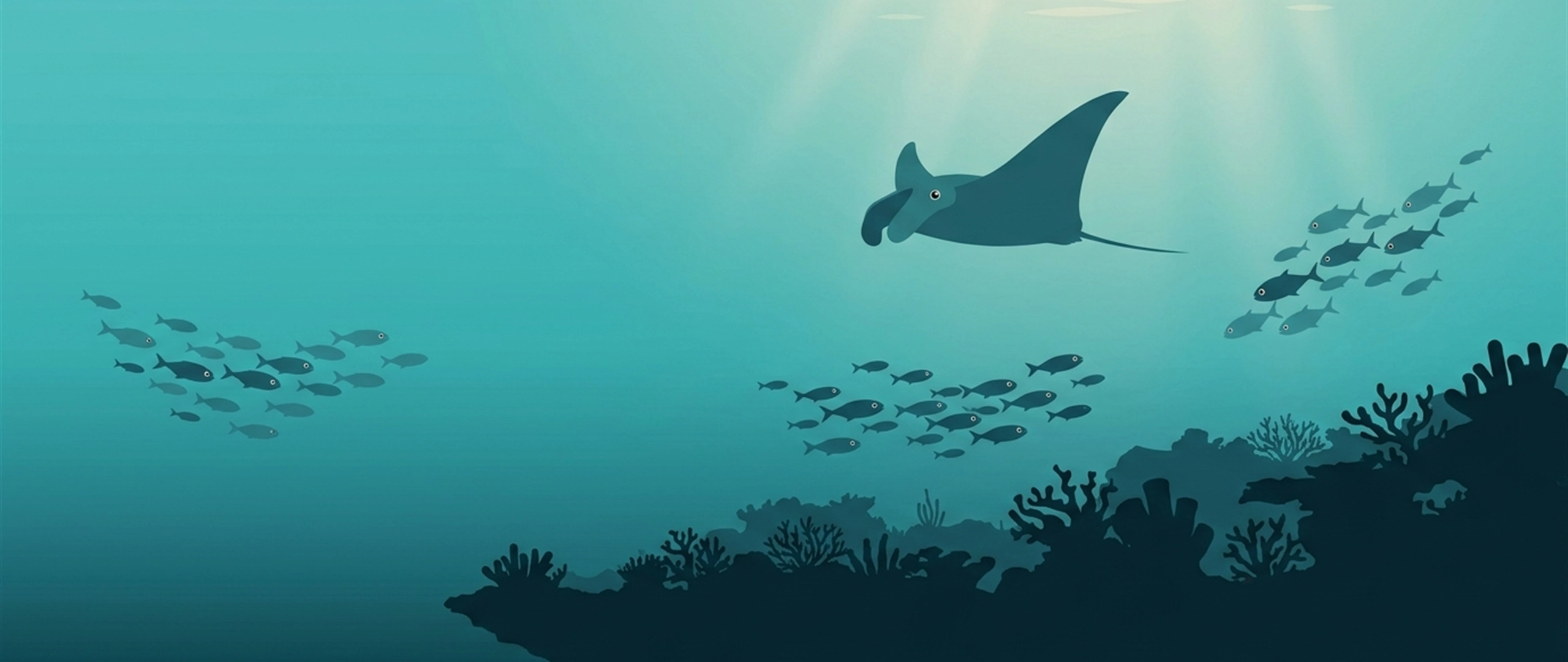
The 50 best dive sites in the world
Fifty of the best dive sites globally ranked using independent marine data to help you plan the next ten years of diving.
More details →
The 100 best dive sites in the world
A hundred dive sites ranked on reef condition, encounter reliability and access.
More details →
Sipadan
Guide to diving Sipadan Island in Sabah.
More details →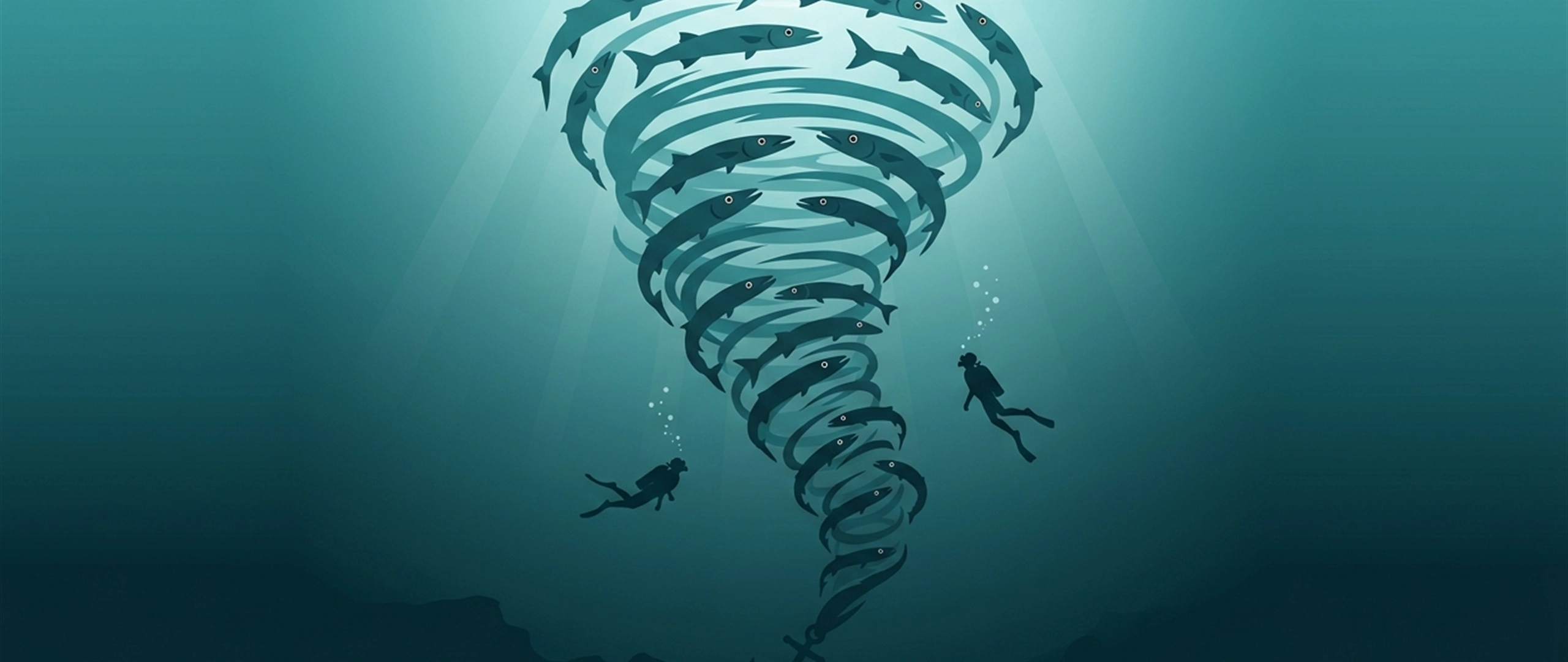
Barracuda Point
Everything you need to know about diving Barracuda Point at Sipadan.
More details →
Resort or liveaboard for Sipadan
Compare staying at a Mabul or Kapalai dive resort versus the Celebes Explorer liveaboard.
More details →Plan your Sipadan trip
Send your preferred travel dates, the number of guests in your group and your current diver certification levels. The team reviews live resort permit allocations and returns with an itinerary that guarantees your permit days at Sipadan.