

Sipadan's coral-crunching giants
Bumphead parrotfish
You usually hear them before you see them. The resident herds of bumphead parrotfish are one of Sipadan's major draws for early risers.
Highlights
- Resident herds of 30 to 50 individuals crunch coral at Sipadan.
- The first dive of the day at Barracuda Point offers the best encounters.
- You can watch them process hard reef into fine white sand.
- Photographers want the 07:00 morning light in the shallows.
- The island requires an Advanced Open Water certification.
- You need to stay at Mabul or Kapalai to catch the early boats.
Overview
You usually hear the herd before you see it. These are big blunt-headed parrotfish crunching coral along Sipadan's reef edge at first light. They bite off chunks of the hard reef to get at the algae inside. Their digestive system processes the rock into the fine white sand you will later stand on. They are the largest of the parrotfish family. A full herd moving across the reef sounds like an underwater demolition crew. Seeing them at dawn is a major reason divers want the first boat out to the island. They are resident around the reef. You can expect to see them on almost every dive if you are in the water early enough. A herd can number between 30 to 50 individuals weighing upwards of 40kg each. They move with heavy deliberation. The best sightings are a bonus for early-morning divers.
What is a bumphead parrotfish?
The bumphead parrotfish (Bolbometopon muricatum) is the largest member of the parrotfish family. Individuals can weigh upwards of 40kg each. You recognise them immediately by their size and the bulbous profile of their heads. Their faces feature exposed beak-like teeth used for scraping the reef. The body is typically a dull greenish-grey. A mature adult moves with heavy deliberation. They travel together in large herds. You usually hear them before you see them. The noise of their feeding carries a long way underwater. It sounds like rock grinding on rock. Unlike smaller reef fish that dart away when approached by divers on the wall, a mature herd holds its ground and continues to feed.
Where you see them in Sabah
You find them around the coral walls of Malaysia's only oceanic island. The extinct volcanic seamount of diving in Sipadan is the primary location for reliable sightings. The island rises 600 m from the Celebes Sea floor. The herds are resident here. You can expect to see them on almost every dive if you are in the water early enough.
Sabah Parks issues 254 Sipadan permits a day. You need to secure one of these slots to access the island. A guaranteed Sipadan permit comes with the right combination of resort, dive package and minimum number of nights. Which dates can be guaranteed depends on the resort you choose. The team steers you to the right setup. The marine park closes completely every November to let the reef rest. The water temperature sits at a stable 26 to 30 °C during the rest of the year.
When to dive with the herds
The action happens at dawn. Operators run boats from Mabul or Kapalai from early morning until the afternoon. You want to be on the very first boat out. The first dive of the morning is the critical window. Early starts on your permit days give you the best chance of finding the herds together. The herds are most active just after sunrise. They congregate in the shallows to feed. They disperse into smaller groups as the sun rises higher. The boat ride from Mabul or Kapalai takes about 15 to 25 minutes depending on the tide. This short transit time makes the early morning start manageable.
What they do on the reef
You can watch the herd feeding its way along the reef. The herd crunches into the hard coral. They are extracting algae. Their powerful jaws break the reef down. The fish then excrete the indigestible rock as fine white sand. A large herd creates a massive amount of sand over a year. The ecosystem depends on this cycle. They help shape the reef structure. Watching a herd of fifty large fish systematically devour a section of hard coral is an imposing sight. It is a loud process. You can follow the sound along the wall even if the visibility drops.
Photographing the herd
The shot people want involves the entire herd moving together over the reef. The action happens in the 10 to 15 metre depth band. Managing heavy strobe arms in ripping currents while shooting large schools is physically demanding. Many professionals rely on ambient light at this depth. You can use a custom white balance to capture the natural colours. A wide-angle or fisheye lens is the best choice. Flash photography is difficult because a herd stirs up a lot of particulate matter while feeding. Natural light gives the cleanest result. The early morning light coming through the shallows provides an excellent backdrop.
Good habits around them
These are large animals. They tolerate divers well if you give them space. The best approach is to stay still. Let the herd move past you. Chasing them is counterproductive. They will outpace you into the blue. Watch your buoyancy over the reef. You need to maintain good trim to avoid damaging the coral. Your dive guide leads the group around the reef. Be sure to stay clear of their path. They are heavy animals with poor manoeuvrability when focused on feeding.
Conservation
Sipadan Island Park was gazetted in 2009. All resorts were removed from the island by the end of 2004 to halt ecological degradation. The herds here live inside a highly protected zone. Their global conservation status can be confirmed at enquiry if you want the latest data. The strict daily permit limit and the November closure period help maintain their numbers at Sipadan.
Where to dive with them
The dive sites on the eastern and northern sides of the island are the most reliable spots.
Barracuda Point
Skill level: Confident AOW | Depth range: 5–40m+ Barracuda Point is a favourite for the first dive of a permit day. The bumphead parrotfish herds are most active here at dawn. The site features a bottomless wall dropping away into the channel. The current can be moderate to severe. You need instinctual buoyancy control to manage the drift safely.
Coral Garden
Skill level: Newly Qualified AOW | Depth range: 10–23m This site offers a shallow reef plateau. Dense clouds of anthias and parrotfish gather here later in the day. The current is gentle. It is a relaxing drift dive ideal for sunlit wide-angle coral landscapes and detailed fish portraits.
You can reach these sites by staying at one of the resorts on Mabul or Kapalai. A Sipadan permit day gives 3 dives from Mabul, Kapalai or the Celebes Explorer liveaboard and two from Mataking or Pom Pom islands. You might also choose the Celebes Explorer liveaboard for dedicated days on the reef. Booking a Sipadan Classic package is a common way to secure your days.
Nearby places
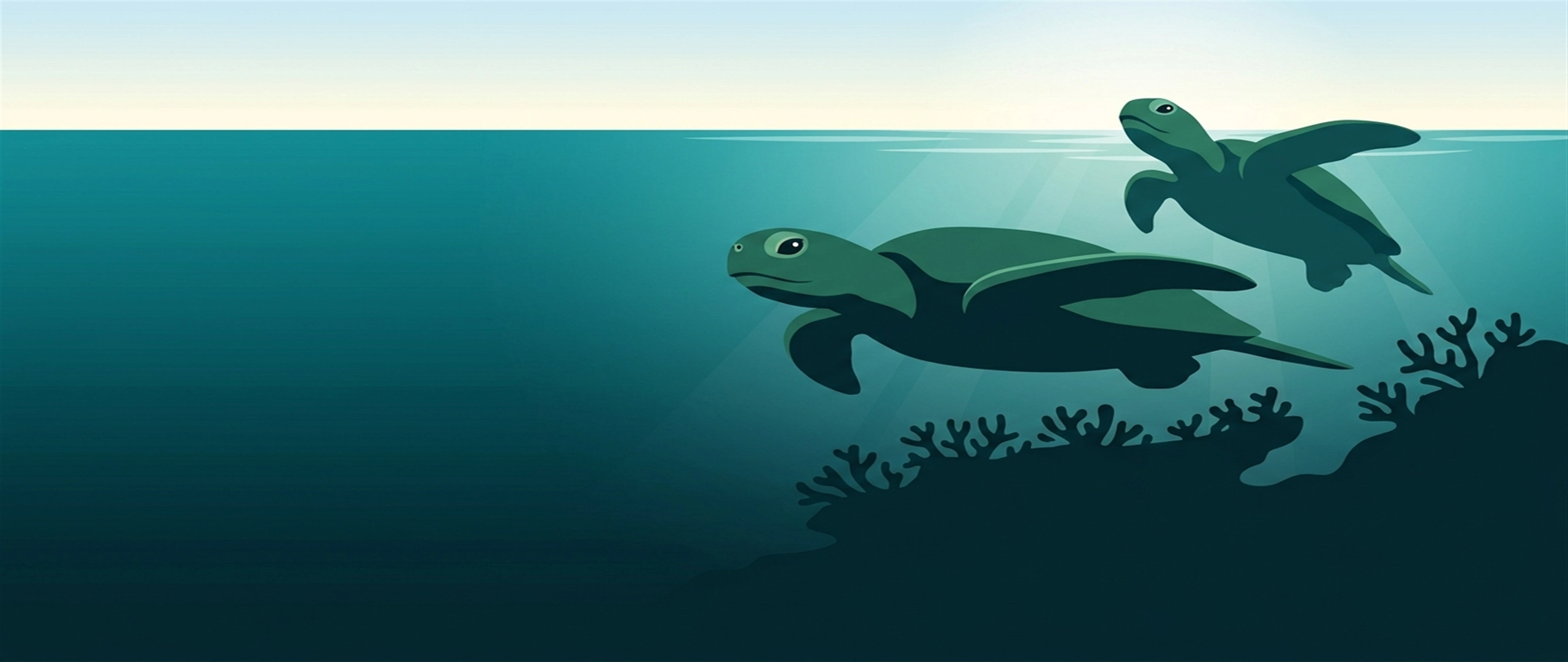
Green turtle
Learn where to dive with green turtles in Sabah, including the resident populations at Sipadan and the conservation hatcheries across the islands.
More details →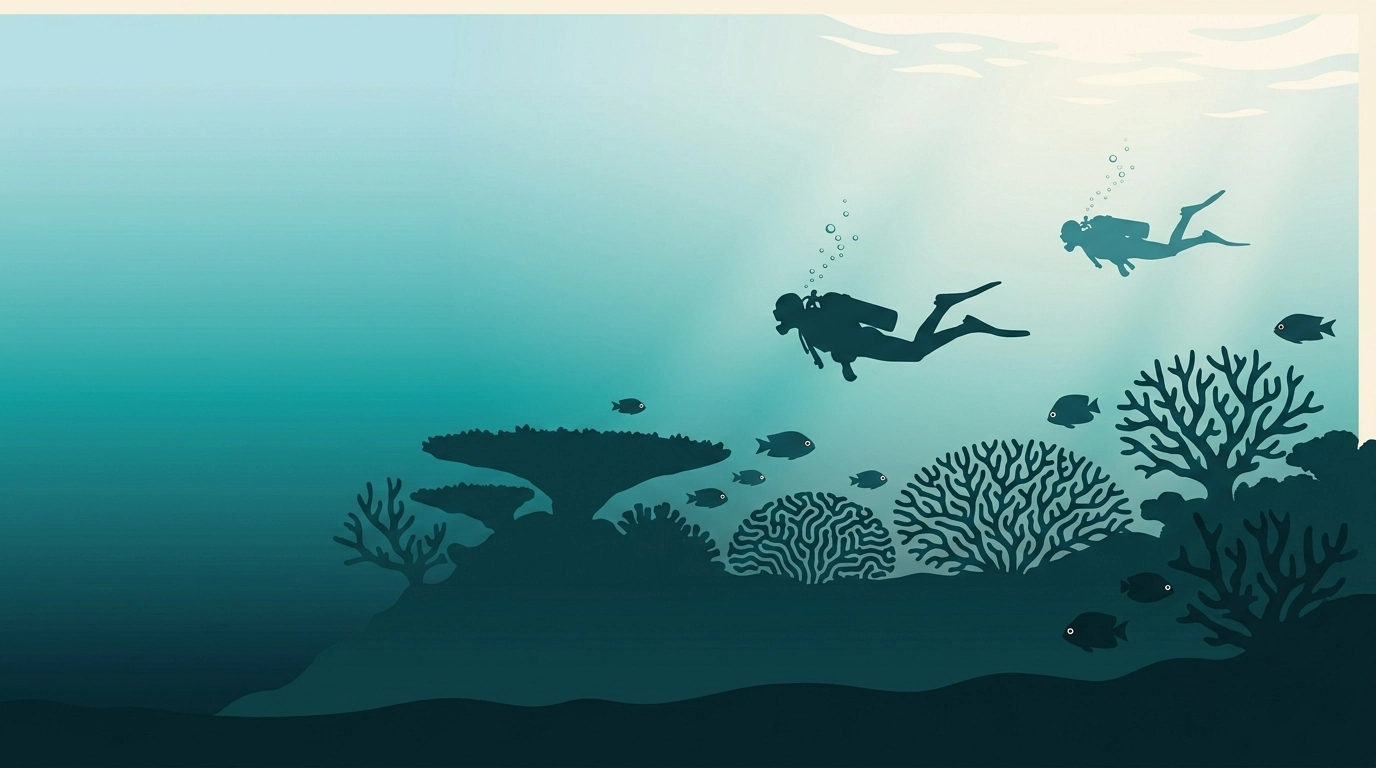
Coral Garden
A complete guide to diving Coral Garden at Sipadan Island.
More details →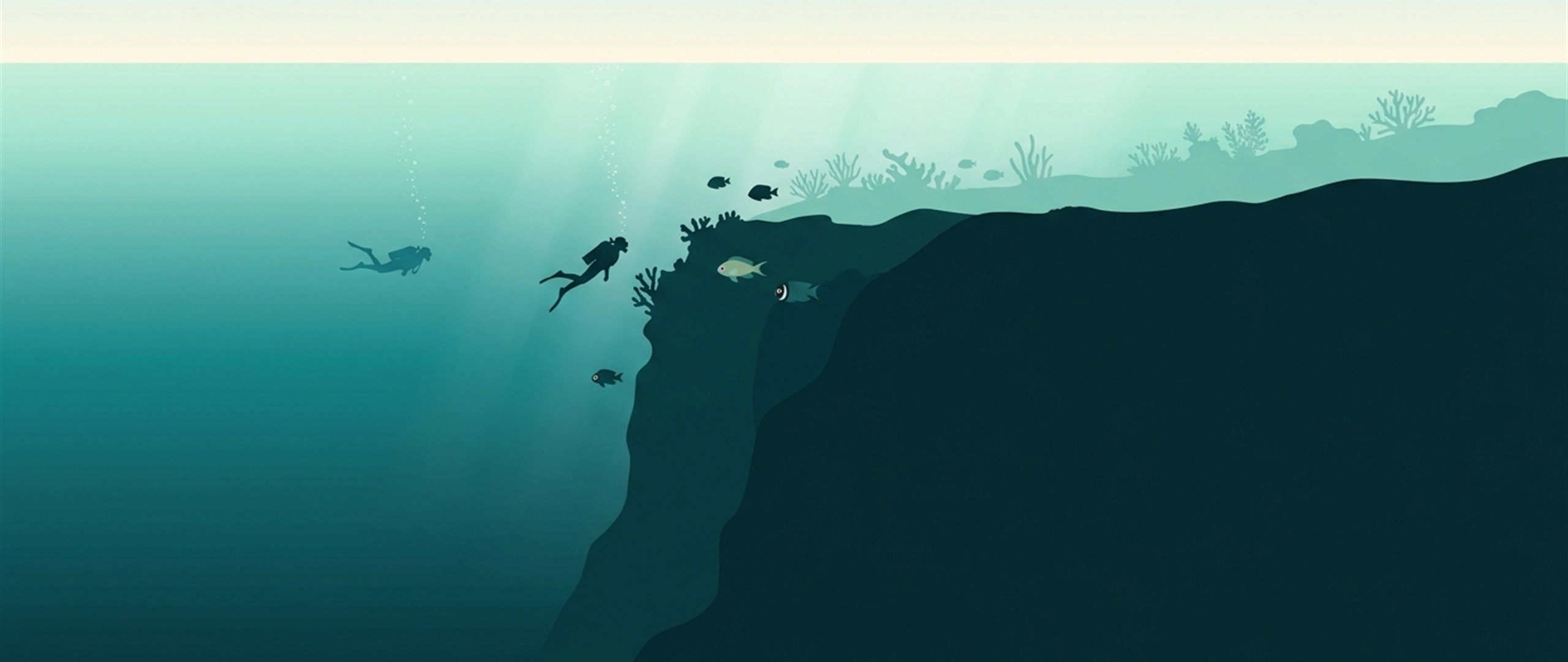
The Drop-Off
Dive The Drop-Off at Sipadan.
More details →
Sipadan
Guide to diving Sipadan Island in Sabah.
More details →
Sipadan permits, explained
A complete guide to how the Sipadan permit system works.
More details →Plan your dives
Send the team your dates along with the names of everyone coming and their certification levels. The team comes back with what can be arranged. The team handles the logistics so you can focus on the diving.