

Semporna's famous dusk display
Mandarinfish
A thumb-sized fish famous for its dusk mating dance. Found across the reefs of Mabul and Kapalai for divers willing to wait in the fading light.
Highlights
- A small fish painted in striking orange, green and blue patterns
- Rises from the reef in pairs at dusk to spawn
- Mabul's Paradise 1 features resident populations in staghorn coral
- Kapalai's Mandarin Valley hosts a dedicated 17:30 dive
- Excellent subject for divers with patience and red-light focus lamps
- Reached easily from Semporna's island resorts
Overview
It is a thumb-sized fish painted in orange, green and blue that spends the day hidden in rubble and urchin spines. At dusk it rises in pairs into open water for a few minutes to spawn. It is the reason the last dive of the day at Mabul and Kapalai is the one nobody misses. You drop in as the light fades to settle near the coral beds. The fish dart nervously among the branches before finally lifting together above the reef. The display is brief so you must be ready. The mandarinfish (Synchiropus splendidus) is Semporna's signature twilight subject. Divers plan their entire evening schedule around this window. You will often see dive boats gathering just before sunset to catch the moment.
What it is
The mandarinfish is small and strikingly bright. Its body carries swirling lines of orange, green and blue. The pattern resembles the silk robes worn by imperial Chinese bureaucrats. That bold colouring is a form of defensive camouflage against the dark reef background. During daylight hours they stay tucked into the reef. They shelter securely within the defensive spines of diadema sea urchins or deep inside dense staghorn coral thickets. They wait there until the ambient light fades.
What it does at dusk
The dusk display is the reason divers visit these specific sites. As the sun sets the fish begin their intricate mating ritual. A male displays his fins to attract a female. Once paired they rise slowly side by side into the open water column. They release their eggs and sperm at the apex of this short ascent before darting instantly back down into the protective coral branches. The entire sequence lasts only seconds. You have to watch carefully to catch the moment they leave the reef. Divers time these dusk dives to catch the mating display.
Where you see it in Sabah
You will find a resident population across the Semporna islands. Mabul and Kapalai are the main centres for this encounter. The dive runs as a dedicated dusk trip rather than a standard night diving session.
Paradise 1 and 2
Skill level: All levels | Depth: 5–18 m
Paradise 1 and 2 sit right off Mabul. Paradise 1 is a classic flat sandy bottom punctuated by scattered wooden boats and lush staghorn coral gardens. The boats arrive around 17:00. You settle on the sand beside the staghorn beds to wait. Blue-spotted mask rays and whiptail rays often pass over the sand behind you. Paradise 2 is right next door. Paradise 2 centres on a wooden boat heavily encrusted with feather stars. It is surrounded by dense staghorn formations. A resident giant grouper often lurks within the wreck scaffolding. The crinoids on the wreck host squat lobsters and ornate ghost pipefish.
Mandarin Valley
Skill level: Open Water | Depth: 5–20 m
Mandarin Valley is Kapalai's celebrated dusk-dive site. It features a gentle coral slope descending to a sandy bottom dotted with small coral bommies and sea urchins. You can also spot the scattered remnants of a small fishing boat wreck. The currents are weak so you get stable conditions to watch the fish. The dive here is strictly timed for 17:30 to match the fading light. Crocodilefish, leaf scorpionfish and cuttlefish are also reliable sightings here. You can reach Mandarin Valley via a ten-minute boat transit from Mabul or stride straight in from the Kapalai resort jetty.
Awas Reef
Skill level: All levels
This secondary Mabul site sits directly off the jetty of the Scuba Junkie resort. You make your way by moving between mooring buoys along a barren sandy slope. Isolated anemones and small structures provide refuge for resting turtles. Flamboyant cuttlefish and flying gurnards share the sand with the mandarinfish. The stark sandy background makes this an excellent location for snoot photography.
Photographing the display
Capturing the mating dance requires extreme patience and the right equipment setup. The fish are shy. They are easily spooked by bright lights. You need a red-light focus lamp to find them in the dim conditions. A white focus light will send them immediately back into the staghorn branches to hide. Wait until the fish begin mating before firing your strobe so you let the display get underway undisturbed. The fish are tiny so you need a dedicated underwater photography setup with a macro lens. The shot people want is the moment the pair rises together above the urchin spines.
> Be sure to hover completely still. Any erratic finning will kick up the fine volcanic silt and ruin the visibility for the whole group.
Good habits around them
The environment around these sites requires care. Hover clear of the sand and keep an eye out for stonefish and sea urchins as you wait. Keep your buoyancy steady as you watch. Do not touch the coral branches or attempt to coax the fish out from the urchin spines. Your guide will point out the active pairs. The best approach is to pick one coral head and wait quietly rather than swimming around chasing different fish.
Where to dive with them
Almost every resort operator on Mabul and Kapalai runs a scheduled dusk dive to see this display. Sipadan-Kapalai Dive Resort sits directly on the sandbank beside Mandarin Valley. Sipadan Water Village and Mabul Water Bungalows are located just minutes from Paradise 1.
If you base yourself in Semporna town you will likely dive the mainland muck sites instead. The mainland operators focus heavily on the picturesque dragonet (Synchiropus picturatus). You can look for this similar fish in shallow rubble during the late afternoon.
A dedicated macro and muck package gives you the time to repeat these dusk dives on multiple evenings.
Nearby places

Mandarin Valley
Dive Mandarin Valley at Kapalai to watch mandarinfish mate at dusk.
More details →
Paradise 1 and Paradise 2
Dive Paradise 1 and 2 off Mabul Island.
More details →
Kapalai
Stay at a water village built on a submerged sandbank off Mabul.
More details →
Mabul
Mabul is the main island base for Sipadan.
More details →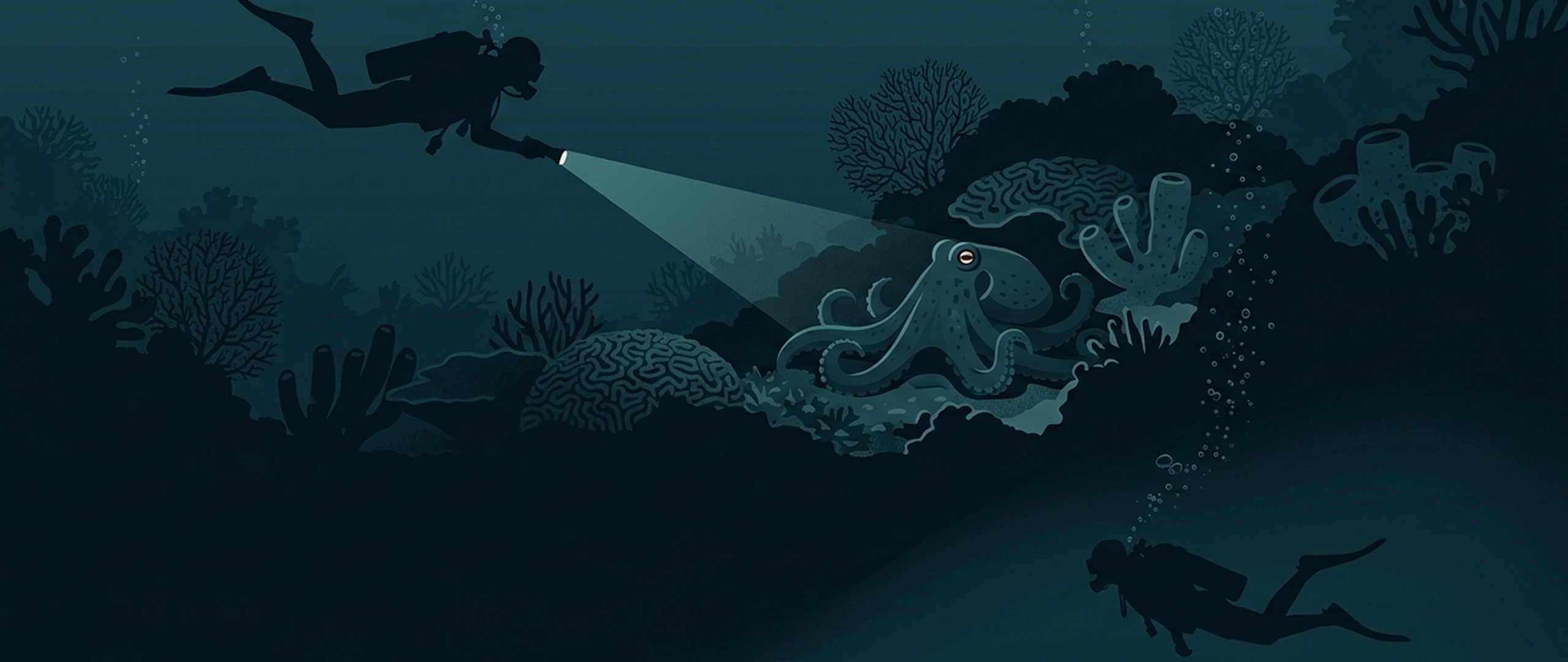
Night diving in the Semporna islands
Everything you need to know about night diving in the Semporna islands from dusk mandarinfish dives to the Seaventures rig.
More details →Dates and certification levels dictate what the operators can schedule for you. Send your details and the names of everyone travelling. The team will return with a dive plan that puts you on the right reef at the right time.