

Sabah's reef residents
Moray eels
From the giant moray resting in the reef walls to the delicate ribbon eel swaying in the sand, these animals are a fixture of Sabah's diving. Finding them is about knowing where to look.
Highlights
- See species from the giant moray to the delicate ribbon eel.
- Find them in the shallows of Mabul and the deep walls of Sipadan.
- Watch cleaner shrimp maintain the eels on the reef.
- Learn why the open-mouth behaviour is breathing rather than a threat.
- Spot them hunting at night across the islands.
- Suits divers of all levels holding good buoyancy control.
Overview
Look into a crevice on almost any dive around Semporna and you are likely to see a moray eel looking back. They are a constant presence on the reefs here. You might spot a giant moray thick as a thigh resting in a hollow on the Sipadan wall. Over on the sand flats of Mabul you can find the ribbon eel swaying in the gentle current. It looks like an electric blue and yellow ribbon.
The first thing worth knowing about them is their open mouth. An eel constantly opening and closing its jaws is breathing rather than showing a threat. They need to pump water over their gills to respire. Understanding this changes how you see them underwater. They are not waiting to attack. They are just breathing. Your dive guide knows the regular hiding places across the different dive sites. They will point them out so you can watch them in peace.
What it is
Three distinct species turn up regularly on Sabah's reefs. The giant moray (Gymnothorax javanicus) is the largest. It occupies the larger holes in the coral framework. It can weigh up to 30 kilograms. You usually only see the head protruding from the rock. The rest of its muscular body remains hidden deep inside the reef structure.
The white-eyed moray (Gymnothorax thyrsoideus) is smaller and often shares space with others. You can identify it by its pale eyes and the mottled brown pattern on its skin. It adapts well to artificial reefs.
The ribbon eel (Rhinomuraena quaesita) is entirely different in shape and habits. It is thin and lives in burrows in the sand or rubble. The ribbon eel changes sex as it grows. It starts life as a black juvenile male before turning into the bright blue and yellow adult male most divers recognise. Eventually it changes into a female and turns almost entirely yellow. You rarely see them swimming freely. They prefer to stay anchored in their burrows while projecting their heads into the water column to catch passing food.
Where you find it in Sabah
You find them at almost every destination in the region. Sipadan rises 600 m from the Celebes Sea floor on an extinct volcanic seamount. Its vertical walls are full of deep fissures that make ideal homes for the larger species. The giant morays here watch the current sweep past. You can see them at famous sites including Barracuda Point and the Drop-Off.
The shallower reefs of Mabul and Kapalai offer a different habitat. The sandbanks and artificial structures provide hiding places for smaller species. Ribbon eels favour the sandy slopes where they can construct their burrows. You find them alongside the other critters of Semporna on the muck diving sites. Sipadan-Kapalai Dive Resort is a sandbank resort with a house reef directly under your room. It offers excellent opportunities to spot white-eyed morays hiding among the concrete structures and coral blocks.
If you dive at Mataking Island you can spot them across the local coral gardens. Mataking is a private island about 80 minutes by boat from Sipadan. The gentle diving there suits anyone looking to observe marine life at a slow pace. You can also spot them further north at Lankayan Island in the Sulu Sea.
What it does
During the day most morays stay inside their chosen holes. You usually only see their heads. They often associate with cleaner shrimp. The shrimp walk freely over the eel's face and inside its mouth to pick off parasites and dead tissue. This cleaning station behaviour is fascinating to watch. The eel gets a health check while the shrimp gets a meal. The moray suppresses its hunting instinct to allow the shrimp to work safely.
At night the behaviour changes completely. Morays leave their crevices to hunt across the reef. They have poor eyesight and use their strong sense of smell to track down sleeping fish and crustaceans. They slither over the coral heads and investigate narrow gaps where prey might be hiding. If you do a night dive from the island resorts you have a high chance of seeing one out in the open. A moray swimming freely over the reef is a graceful sight.
Good habits around them
There is a strict etiquette for diving with them. The bite risk is real but it arises almost entirely from poor diver behaviour. It happens when people put their hands into holes or attempt to feed the animals. You should never do either. Hand-feeding conditions the animals to associate divers with food and alters their natural hunting patterns.
Never move an animal out of its host or habitat for a photograph. A subject moved from its camouflage is exposed immediately to predation. The same applies to prodding or unearthing anything on the reef. Let the eel stay right where it is. Keep a respectful distance so the animal does not retreat into its burrow. Sabah Parks manages the marine environments here to protect these delicate relationships.
Photographing it
Getting a good image requires three things: buoyancy control, correct lighting and patience. You need to hold your position in the water without touching the reef. If you kick up sand or bump the coral the eel will pull back into its hole. Good buoyancy also protects the surrounding corals from accidental damage.
Lighting is vital because they live in dark spaces. A carefully angled strobe brings out the patterns on their skin. Be careful not to shine a bright focus light directly into their eyes for long periods. It causes the animal stress and usually makes it hide. Patience is the essential skill. If you wait quietly you might capture the moment a cleaner shrimp steps onto the eel's jaw. For ribbon eels a dedicated macro lens works best. For a giant moray on the Sipadan wall a wider lens can capture the animal in its environment.
Where to dive with them
You can see them from all the main dive bases across the region.
Sipadan Island
Skill level: Advanced Open Water You need Advanced Open Water certification to dive here. The walls hold massive giant morays resting in the deep fissures. Sabah Parks issues 254 Sipadan permits a day. With the right resort, dive package and minimum stay your Sipadan permit can be guaranteed; the dates that can be guaranteed depend on your chosen resort. The island is closed to all visitors every November 1–30.
Mabul House Reef
Skill level: All levels The diving on Mabul House Reef is focused on the macro life. Mabul Water Bungalows and Sipadan-Mabul Resort offer easy access to these sites. You can find ribbon eels on the sandy patches and white-eyed morays in the artificial structures. From Mabul a Sipadan permit day gives 3 dives. Dive times depend on the operator's schedule, the tide and the sea.
Lankayan Island
Skill level: All levels Lankayan's relaxed private-island resort sits in the Sulu Sea. The reef has plenty of hiding places for eels among the wooden wrecks and coral blocks. You reach it via Sandakan then about 90 minutes by boat. The resort closes annually in January and February.
Nearby places

Sipadan
Guide to diving Sipadan Island in Sabah.
More details →
Mabul
Mabul is the main island base for Sipadan.
More details →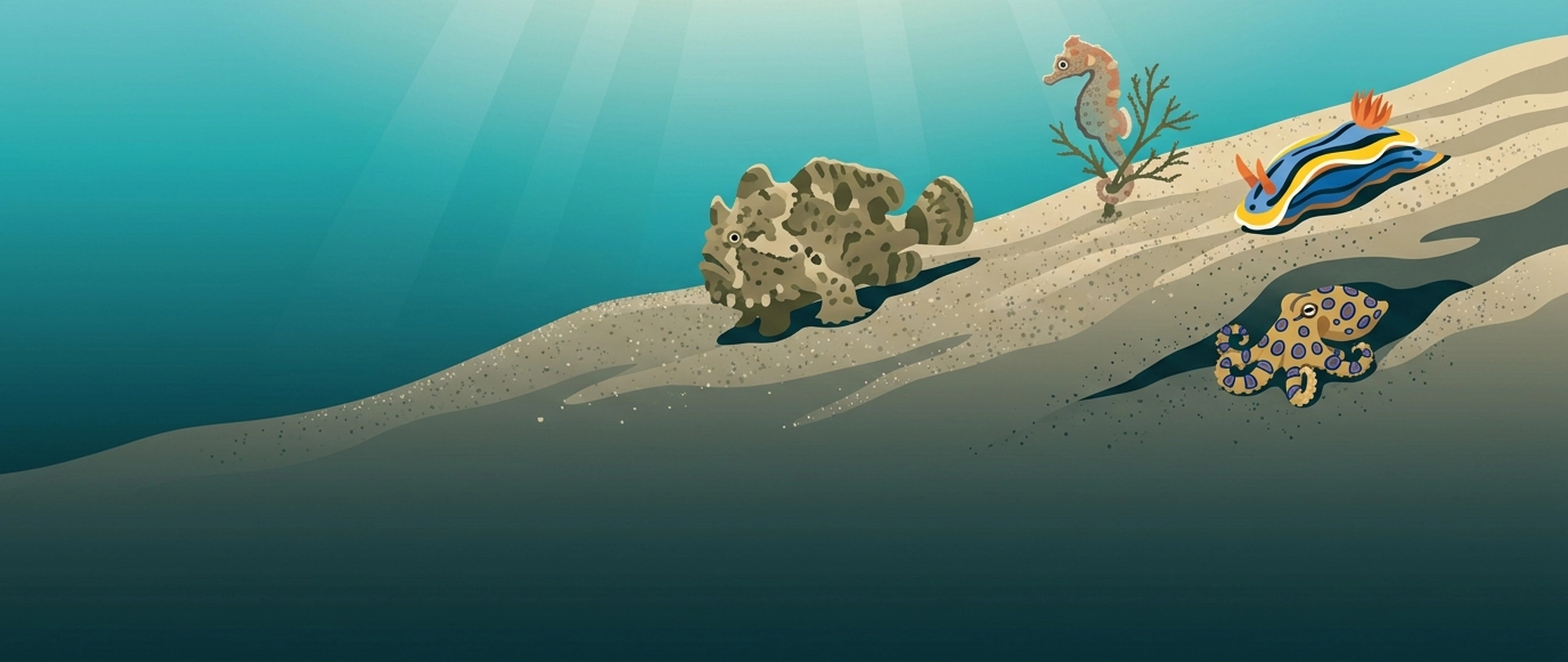
The critters of Semporna
Plan your macro diving week around Mabul, Kapalai and the Semporna mainland.
More details →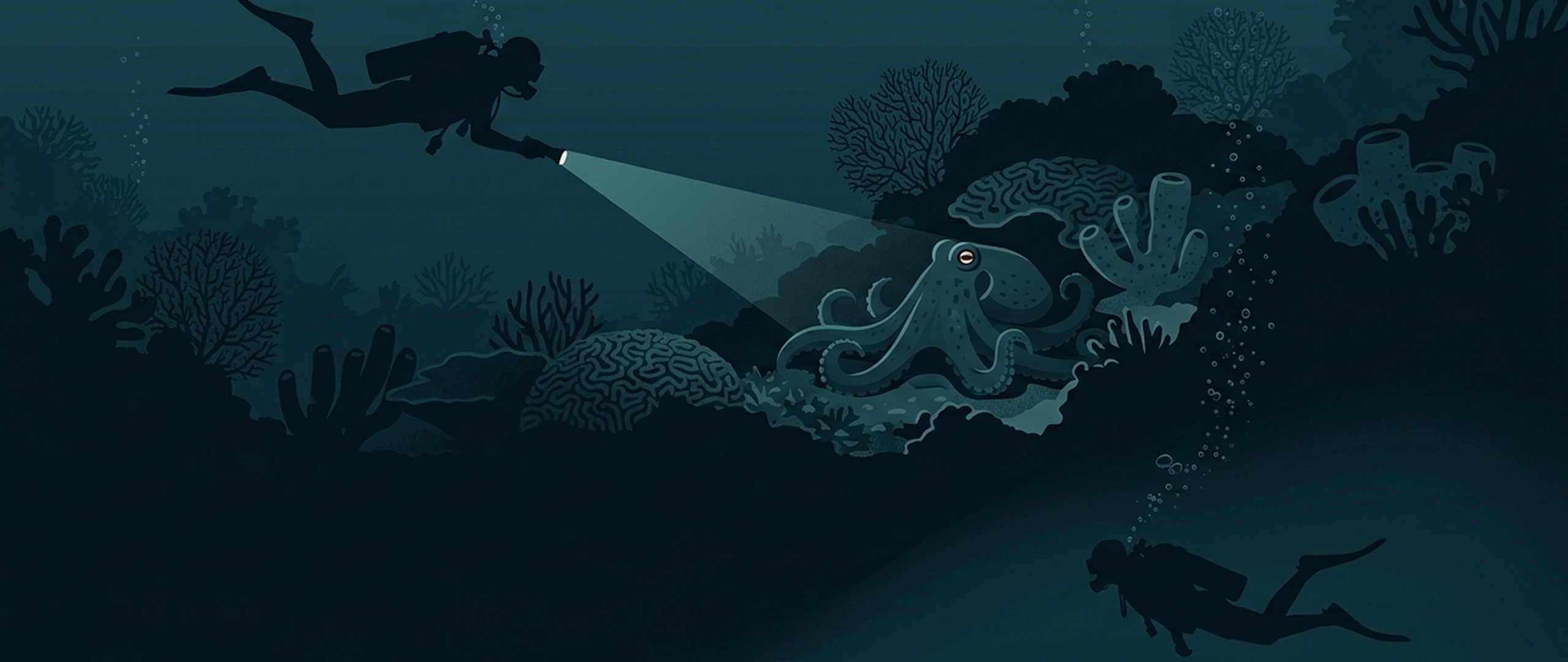
Night diving in the Semporna islands
Everything you need to know about night diving in the Semporna islands from dusk mandarinfish dives to the Seaventures rig.
More details →
Macro & Muck
A week on Mabul or Kapalai spent diving the shallow reefs for frogfish, blue-ringed octopus and mandarinfish.
More details →Send your dates, the names of everyone coming and your certification levels. The team comes back with what can be arranged for your Sabah trip.