

Semporna's ambush predator
Crocodilefish
A flat patterned fish that rests motionless on the sand. Crocodilefish are a staple of Semporna's muck sites and they give photographers all the time in the world.
Highlights
- The subject: A large bottom-dwelling fish that relies entirely on camouflage rather than flight.
- The draw: Highly approachable subjects that let you get close enough to photograph for an entire dive.
- The signature shot: The intricate lacy iris flap fringing the eye.
- Where to find them: Resident across the sand and rubble sites of Mabul, Kapalai and Sipadan.
- Best dive sites: Mabul's Lobster Wall and Paradise 2 are regular hotspots.
- Who it suits: Photographers and anyone who enjoys studying marine life up close.
Overview
You will likely swim right over your first crocodilefish. They are flat patterned fish that lie on the sand or a coral head doing nothing at all. They rely so completely on their disguise that they almost never move when a diver approaches. This makes them one of the most rewarding subjects on the reef. You can get close enough to photograph them for an entire dive. The shot everyone wants is a close portrait of the eye. A lacy iris flap fringes the pupil to break up its shape. It looks like delicate coral growth and it is a fascinating detail to study while you hover over the sand. Finding them is the hardest part but the local dive guides know how to spot their outline against the rubble.
What it is and how to recognise it
The crocodilefish is a highly specialised bottom-dweller belonging to the flathead family. The scientific name is Cymbacephalus beauforti according to the World Register of Marine Species but guides always use the common name. These animals grow to between 30 and 50 centimetres in length. Their mottled brown and grey pattern acts as an effective disruptive disguise against the seabed. Photographic evidence of them in Sabah includes a 2010 record by Bernard Dupont on Wikimedia Commons alongside numerous Sipadan sightings logged on FishBase.
They have a broad flat head that heavily resembles a crocodile. You usually spot them resting partially buried in the sand or sitting flush against coral rubble. Their most distinctive anatomical feature is the iris lappet covering the eye. This lace-like structure acts as a sunshade in bright shallow water while hiding the dark pupil from prey looking upwards.
You need to train your eyes to ignore the rubble if you want to find them yourself. Scan the seabed for that crocodilian profile rather than looking for movement. Their camouflage is so effective that you can look straight at one and mistake it for a patch of dead reef.
Where you find it in Sabah
These fish are a daily expectation across the macro and muck diving hubs. They are resident around Mabul and Kapalai as well as the shallower reef flats at Sipadan. The Semporna region is a stronghold for the species.
They exhibit a strong preference for sand, coral rubble and the fringes of seagrass or mangroves. They are regularly found at classic Mabul dive sites like Paradise 1 and 2. Look for them across the Mabul House Reef and the Kapalai House Reef. Further north around Lankayan, they are a lucky find.
Lobster Wall Skill level: All levels | Depth: 19 m This wall drops away to a sloping sandy bottom where crocodilefish frequently rest. The rubble patches along the slope provide the right background for their mottled camouflage. Be sure to check the edges where the reef meets the sand.
Paradise 2 Skill level: All levels | Depth: 18 m A gently sloping site known for the animals concealed among its reef patches. They often lie motionless among the scattered reef patches. The site is sheltered and lets you spend plenty of time working on your photography.
What it does
The crocodilefish hunts by ambushing prey from the seabed. It sits completely still and waits for smaller fishes and crustaceans to wander too close. It uses an explosive suction-feeding mechanism generated by its massive flat head to swallow the meal whole as prey comes within range.
They are solitary creatures and they are protandrous hermaphrodites. This means they begin life as males and transition to females as they grow larger. They do not guard their eggs. They engage in open-water external fertilisation and release their pelagic larvae into the water column.
For the most part the behaviour divers watch is their remarkable patience. They lie in wait and trust their camouflage completely. They rarely flee when approached. This gives you time to study how their skin pattern closely matches the surrounding sand and broken coral.
Photographing it
They rely entirely on their disguise rather than swimming away. You can approach them closely for underwater photography. Their size means they suit close-focus wide-angle setups rather than the super-macro lenses used for tiny nudibranchs.
The main photographic challenge is isolating the fish from the heavily textured rubble background. Use a shallow depth of field with a low f-stop to make the subject stand out. Strategic lighting techniques like snooting also work well to separate the intricate ocular lappets from the distracting sand.
Lock your focus on the eye and experiment with your lighting angles to capture the textures of the iris flap. You have the luxury of reviewing your images on the screen and adjusting your strobe positions for the right shot because they stay so still.
Good habits around them
The dive guides are experts at spotting the distinctive shape of a crocodilefish against the rubble. You must follow strict ethical rules when a guide finds one.
Never move an animal out of its habitat for a cleaner photograph. A subject moved from its camouflage is exposed instantly to predation. You must never touch a crocodilefish or try to dust the sand off its back. Their mucosal layer is fragile and essential for warding off parasitic infections.
The skill in macro diving is entirely about your buoyancy, your lighting and your patience. Hover above the sand, keep your fins up and document the animal just as it exists in the wild. You should back away and wait for the next opportunity if you cannot get a clear shot without disturbing the fish.
Where to dive with them
You can arrange a trip to see these ambush predators by staying at the resorts around Semporna. The water village resorts and island chalets put you right in the middle of their preferred habitat. Mabul and Kapalai are the primary bases for finding them.
You can also spot them while night diving in Semporna when they remain resting on the sand. The macro and muck packages take you to the best muck sites. The divemasters know where these fish prefer to lie in wait and they understand how to approach them safely.
Nearby places / alternatives
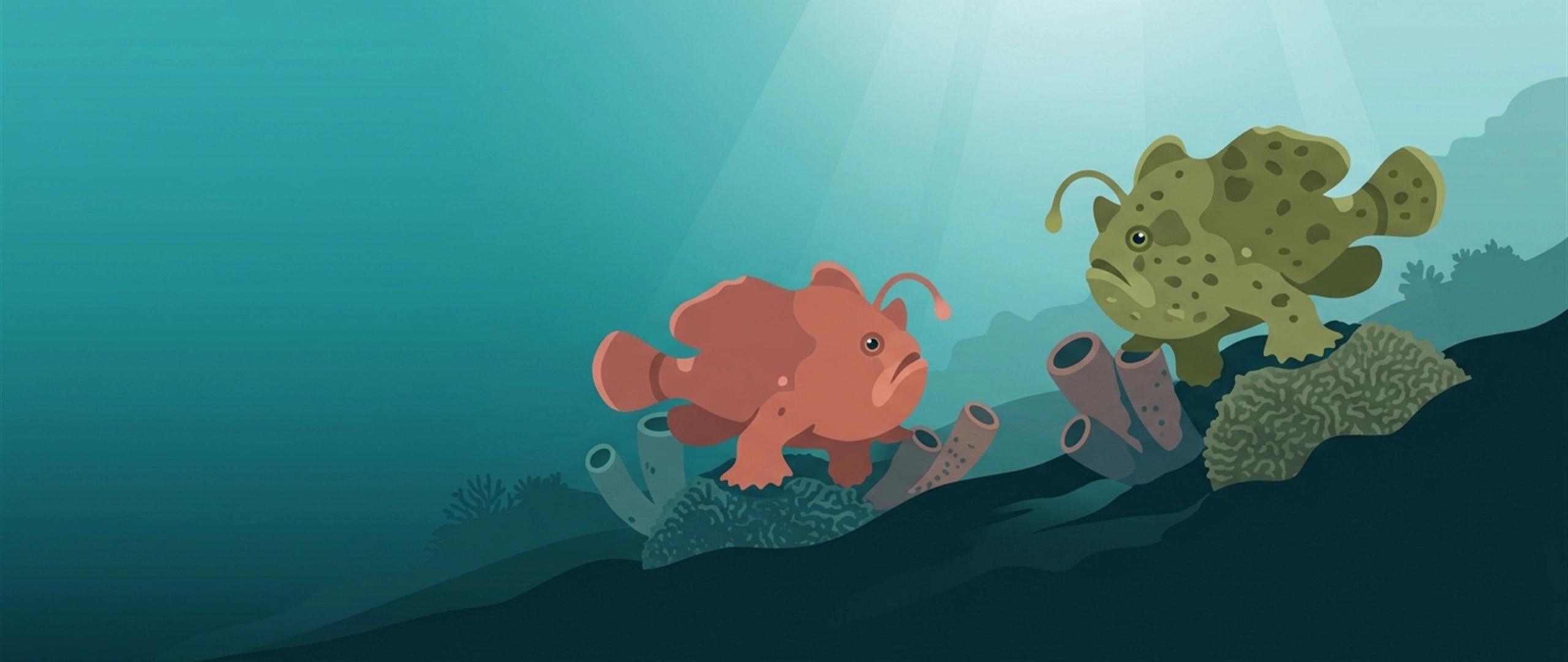
Frogfish
Find out how to dive with frogfish in Sabah.
More details →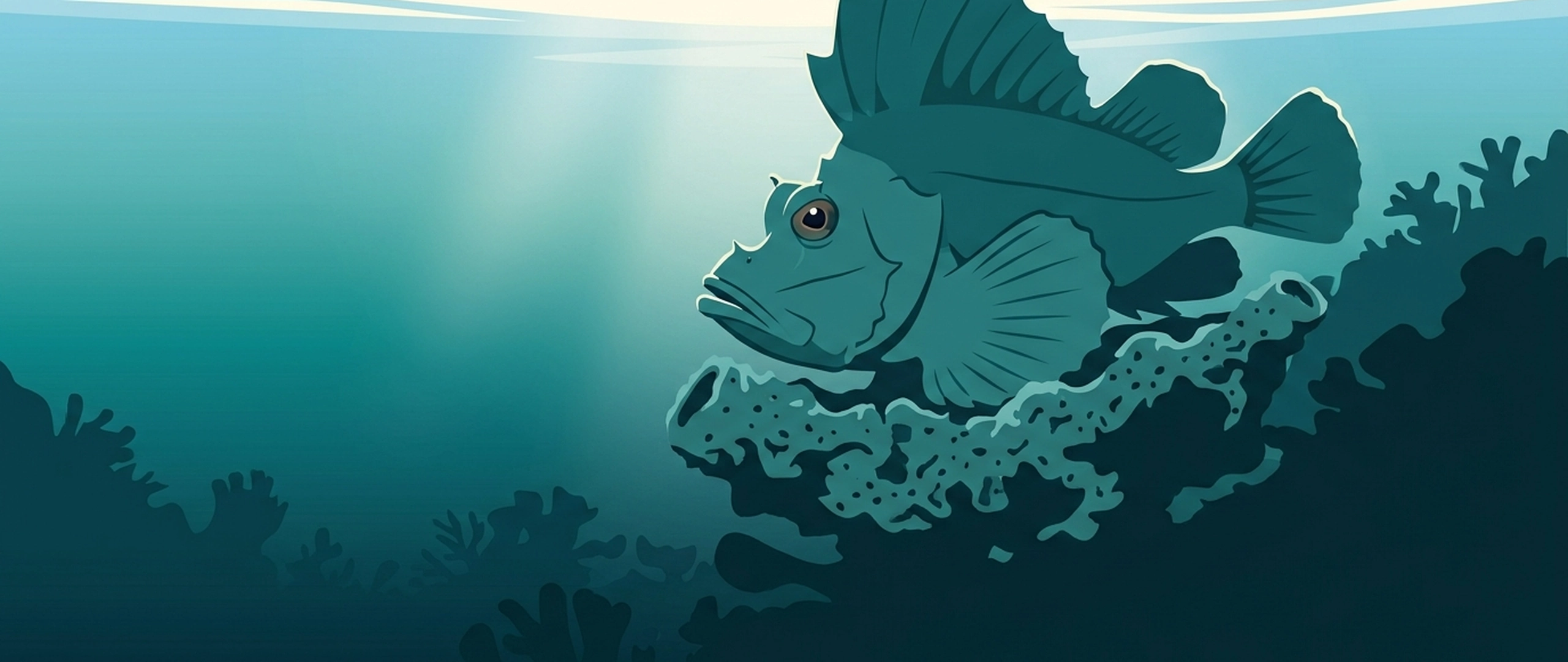
Leaf scorpionfish and rhinopias
Find out where to dive with leaf scorpionfish and the rare rhinopias in Sabah.
More details →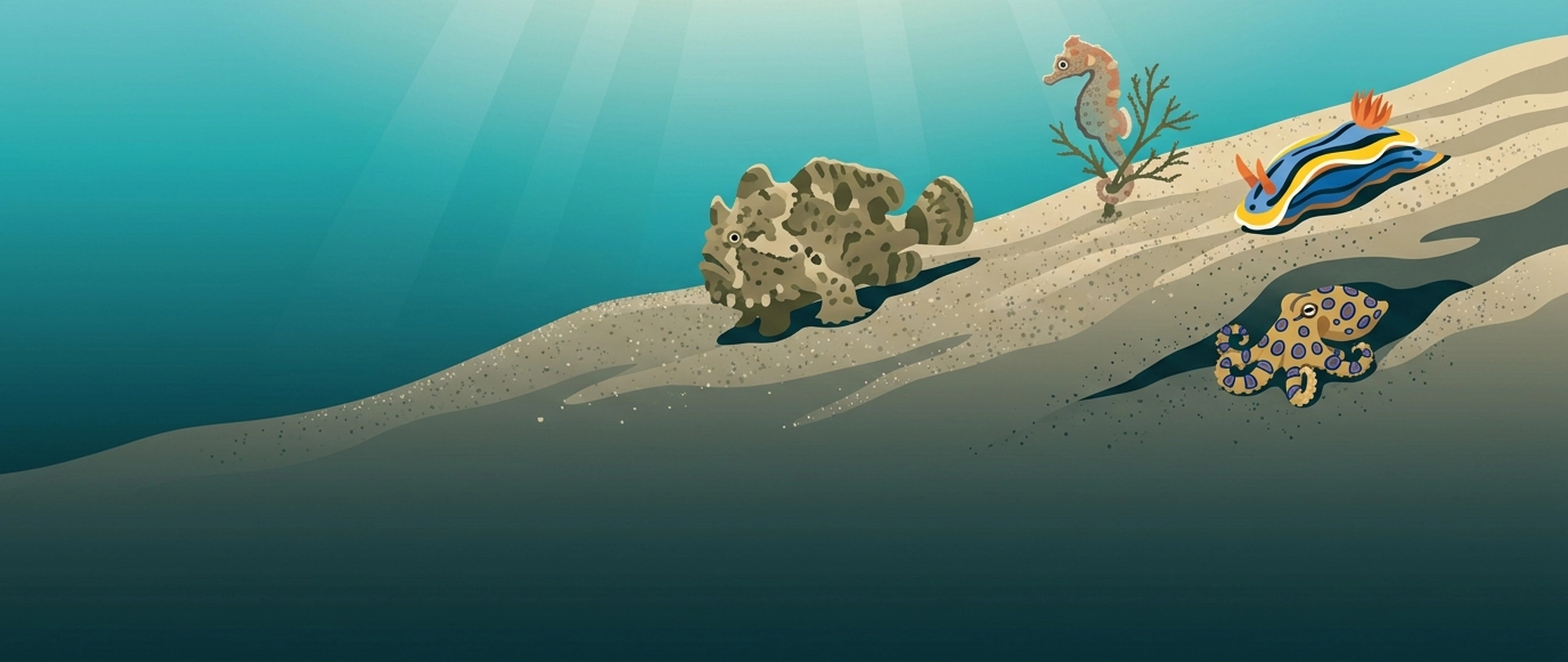
The critters of Semporna
Plan your macro diving week around Mabul, Kapalai and the Semporna mainland.
More details →
Kapalai
Stay at a water village built on a submerged sandbank off Mabul.
More details →
Underwater Photography
Photograph Sipadan's wide-angle pelagics and Mabul's macro critters in one week.
More details →Plan your macro week
Send your preferred dates, the names of everyone coming and your current dive certifications. The team will come back to you with the best resort options and a dive package tailored to your interests.