

The most colourful crustacean on the sand
Mantis shrimp
A guide to diving with Sabah's most highly evolved ambush predators. Discover where to find smashers and spearers across the coral rubble and muck sites of Semporna and the Sulu Sea.
Highlights
- Found across the muck sites of Mabul and Kapalai alongside the coral rubble of Lankayan.
- Two distinct groups live here: heavy-shelled smashers and ambush-hunting spearers.
- The peacock mantis shrimp strikes fast enough to break gastropod shells.
- Spearers sit vertically in the soft silt to catch passing fish.
- Requires slow approaches and patience to watch them forage outside their burrows.
- Ideal subjects for macro photographers looking for striking colours and complex eyes.
Overview
The peacock mantis shrimp is the most colourful animal on the sand and the most alarming. It is a hand-sized crustacean with a club it swings fast enough to break glass. It spends most of its time watching you from its burrow with eyes on stalks that see colours we have no names for. You find them across the dive sites of Sabah alongside a second group known as spearers. They are resident on the muck sites of Mabul and Kapalai. You also see them in high numbers further north at Lankayan.
A mantis shrimp encounter requires a calm approach. They retreat instantly if you move too fast or exhale too loudly. Catching a peacock mantis foraging in the open is a bonus for patient divers. Spearers are frequently found protruding from the sand like alien towers on almost every Mabul muck dive. You get the best views by settling on the substrate a few feet away and waiting for them to emerge.
What it is
Mantis shrimps belong to the order Stomatopoda according to the World Register of Marine Species. The two groups you encounter most often in Sabah are the heavy-shelled smashers and the ambush-hunting spearers. The famous peacock mantis shrimp (Odontodactylus scyllarus) is a smasher. It possesses raptorial appendages that accelerate with the speed of a .22 calibre bullet. It uses this weapon to crack open gastropods, bivalves and crabs. The impact creates an audible pop underwater.
Spearers have a different physical build. They prefer the soft silty bottoms of Mabul and Kapalai. A spearer buries itself vertically in the sand to impale passing fish with barbed appendages. Both types possess the most complex visual system in the animal kingdom. They have stalked eyes capable of perceiving circular polarised light and multispectral colours through trinocular vision.
Where you find it in Sabah
Mantis shrimps are widely distributed across the reefs and muck sites of Sabah. You regularly spot spearers on almost every Mabul muck dive. You can also look for them around the island's artificial structures. You also see them on the artificial reefs off Manukan.
Mabul House Reef
Skill level: All levels Mabul's artificial structures and sandy slopes hold steady populations of spearer mantis shrimps. You regularly spot their eyes protruding from the silt. The rubble patches at the base of the reef slopes also conceal the U-shaped burrows of peacock mantis shrimps. The local dive guides know the active burrows and point them out.
Kapalai House Reef
Skill level: All levels | Max depth: 18m The shallow sand flats around the Kapalai sandbank offer excellent muck diving. Spearer mantis shrimps sit vertically in the soft sediment here. The lack of current allows you to settle on the sand and watch their hunting behaviour.
Jawfish Lair
Skill level: All levels This site off Lankayan Island is an established hotspot for peacock mantis shrimps. The sandy rubble plain provides the ideal building material for their burrows. You find them here alongside the resident jawfish.
What it does
Peacock mantis shrimps construct U-shaped burrows in coral rubble at the base of reef slopes. They typically build them at depths of 10 to 30 metres. They are highly territorial animals. They aggressively defend their space from intruders.
Spearers operate differently. They sit motionless in the soft sediment to wait for prey. They rely entirely on their vertical camouflage. You often see just their eyes and the tips of their barbed appendages breaking the surface of the sand.
Photographing it
Approaching a mantis shrimp requires extreme stealth. Sudden movements or loud exhalations cause them to vanish instantly into their burrows. The ideal photographic approach involves sitting quietly in the sand a few feet away. You pre-focus on the burrow entrance and wait for the animal to emerge to investigate the camera. The stalked eyes and folded raptorial appendages are your primary focal points.
Never attempt to block their burrow exit or place a camera dome too close. A smasher aggressively defends its territory and can easily crack glass ports. You need a dedicated macro lens to capture the intricate detail of their eyes. A 60mm or 100mm lens allows you to frame the subject without crowding it. Snoots help isolate the bright colours of a peacock mantis against the darker reef rubble.
Good habits around them
Mantis shrimps are sensitive to harassment. The rule for every macro subject is to observe without touching. Never attempt to unearth a spearer from the sand or prod a peacock mantis out of its burrow. Moving an animal from its habitat for a cleaner photograph exposes it instantly to fatal predation.
Your skill as a diver lies in staying neutrally buoyant and working patiently with your lighting. Let the animal dictate the encounter. You get the best behaviour displays by letting it emerge on its own terms.
Conservation
Mantis shrimps rely on healthy coral rubble and clean sand flats. The marine parks of Sabah protect these specific micro-habitats. Lankayan sits inside a designated marine conservation area. Protection limits destructive practices and preserves the sandy plains where they build their burrows. The local dive guides intimately know the active burrow locations to ensure the animals are respected and never over-visited.
Where to dive with them
You reach the primary muck sites from the island resorts of Semporna. If you stay at Mabul or Kapalai you are minutes from the sand flats. You dive straight from the dive centres to look for spearers in the silt.
Further north in the Sulu Sea you can stay at Lankayan Island Dive Resort to explore the rubble plains of Jawfish Lair. The resort closes annually in January and February. A dedicated macro and muck itinerary gives you the best guides for spotting these highly camouflaged crustaceans.
Nearby places
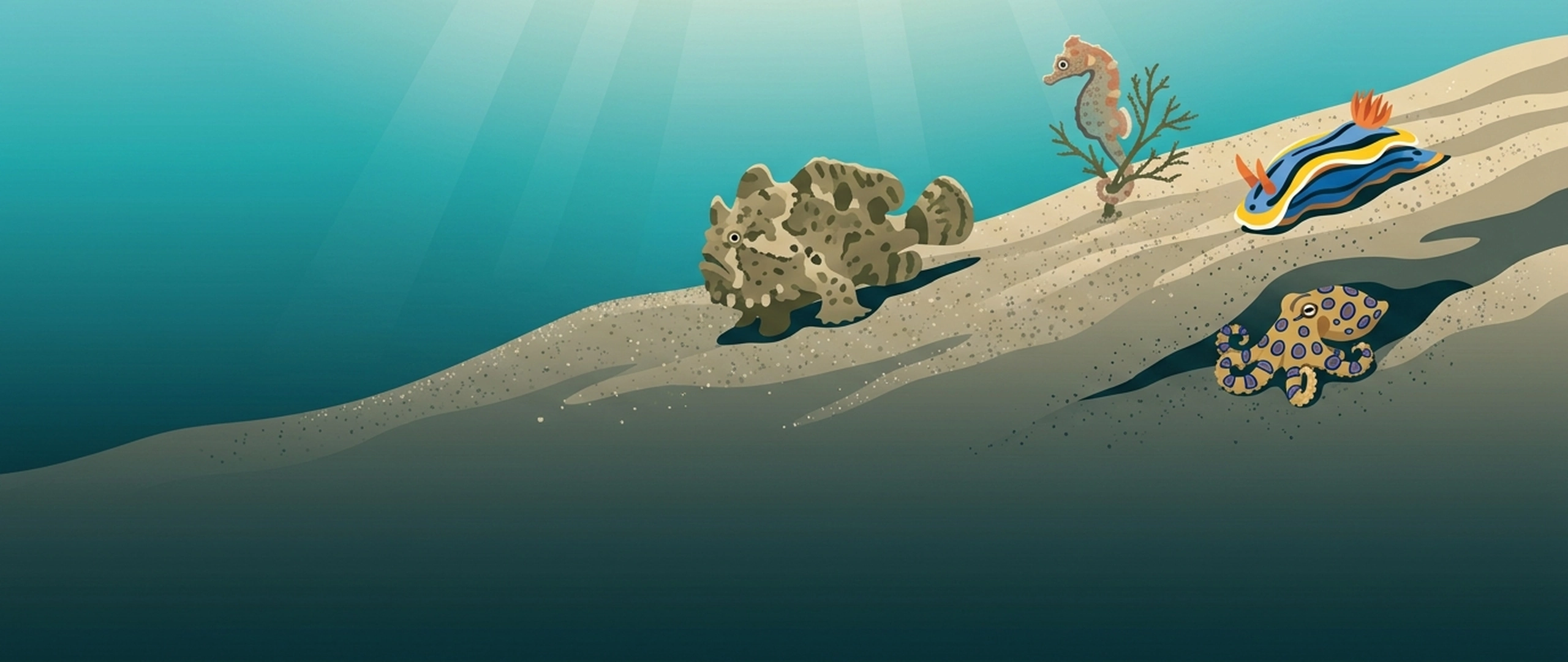
The critters of Semporna
Plan your macro diving week around Mabul, Kapalai and the Semporna mainland.
More details →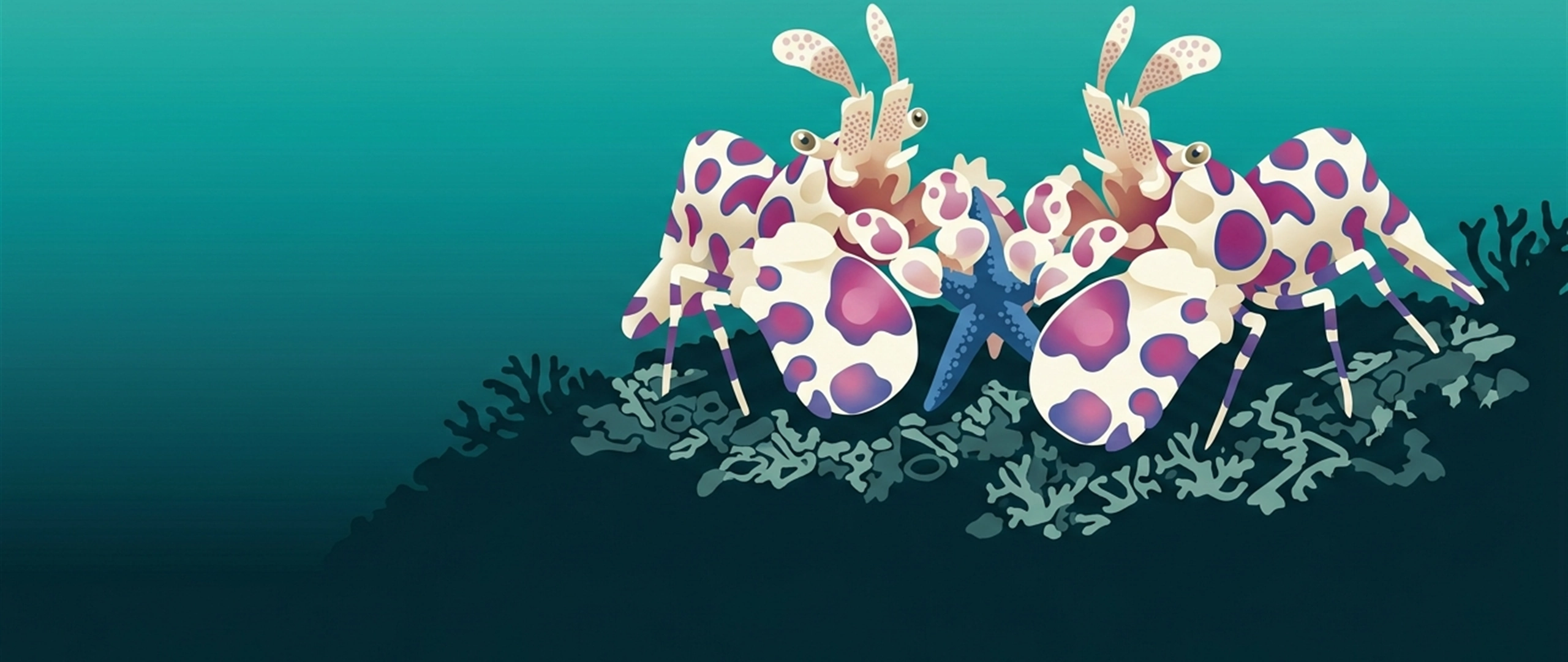
Harlequin shrimp
Learn how to find and photograph the harlequin shrimp on the reefs of Sabah.
More details →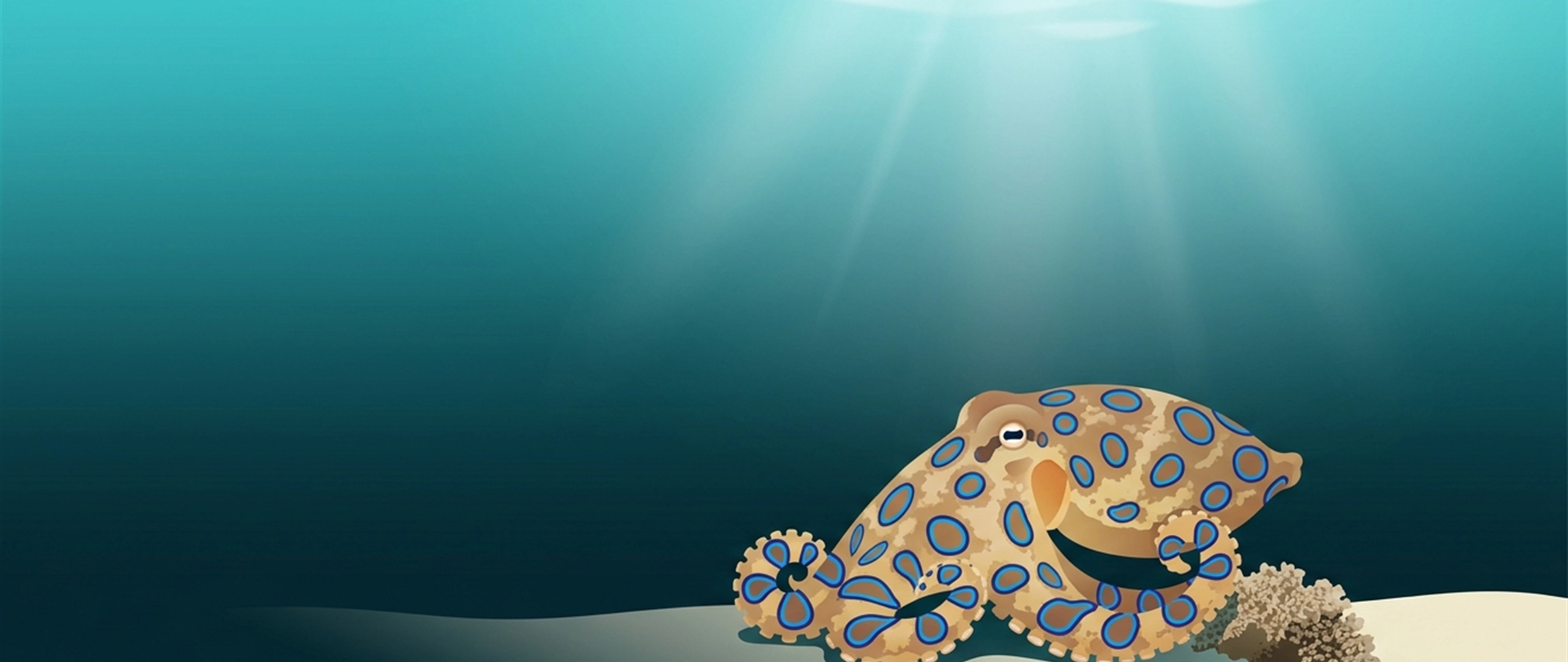
Blue-ringed octopus
Learn how to find and photograph the blue-ringed octopus around Mabul and Semporna.
More details →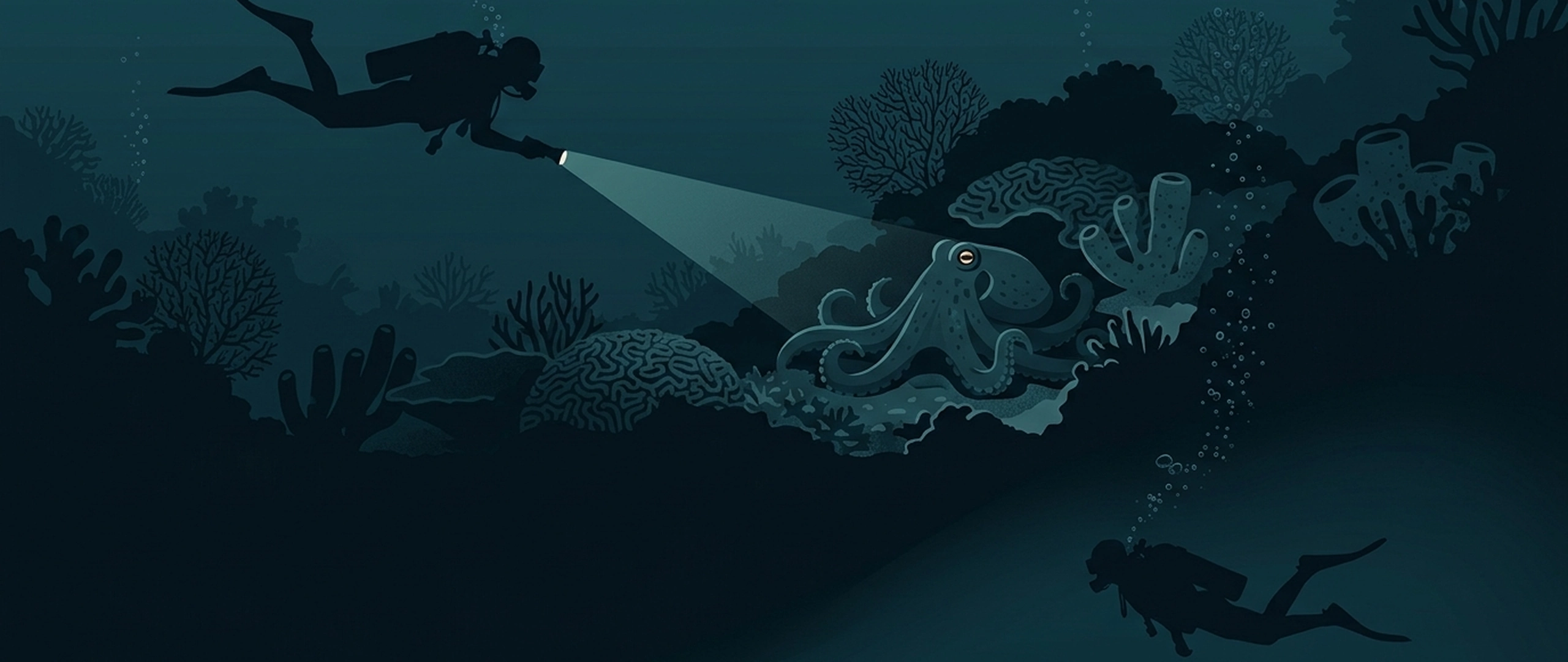
Night diving in the Semporna islands
Everything you need to know about night diving in the Semporna islands from dusk mandarinfish dives to the Seaventures rig.
More details →
Underwater Photography
Photograph Sipadan's wide-angle pelagics and Mabul's macro critters in one week.
More details →Send the team your planned dates, the names of everyone coming and your current certification level. The team comes back with what can be arranged. They match you to the resort and macro and muck package that best fits your group.