

Semporna's famous small cephalopod
Blue-ringed octopus
A golf-ball-sized octopus that flashes electric blue rings when disturbed. Here is how to find and photograph it safely around Mabul and Semporna.
Highlights
- Size: This animal grows to roughly the size of a golf ball.
- Where it lives: You find them on shallow muck sites around Mabul and the Semporna mainland.
- Key behaviour: The octopus flashes bright blue rings as a warning signal.
- Habitat: It shelters in empty shells, rubble and discarded glass bottles.
- The diving: You look for them during muck dives and night dives on sandy slopes.
- Who it suits: These sites suit photographers and divers with excellent buoyancy control.
Overview
This is a golf-ball-sized octopus that spends most of its life looking like a scrap of rubble. It flashes electric blue rings when disturbed. That sudden display makes it the find every muck diver wants and the one animal here that everybody looks at without touching. You will likely spend your time hovering over dark volcanic sand or patches of silt waiting for a guide to point out something that appears to be nothing at all.
If you dive the shallower reefs around Mabul or the mainland coast, you are in the right environment. Spotting one requires a slow pace and a guide who knows how to read the seabed. They are a bonus for divers who take their time.
What it is
The blue-ringed octopus (Hapalochlaena spp.) is a master of camouflage. Most of the time it mutes its skin to match the brown and grey tones of the surrounding sand. The famous rings only appear when the animal feels threatened. Those bright markings serve as a clear warning to predators.
The animal has potent venom. There is no antivenom available. Its venom is a reason to keep your hands off marine life rather than a reason to worry about watching it. Bites come exclusively from people picking them up or accidentally trapping them. If you follow standard diving rules and keep your hands off the reef, you can watch them go about their business safely. They are shy creatures that prefer to hide or retreat rather than confront a diver.
Where you find it in Sabah
These octopuses live in the muck: the sandy slopes, silt beds and rubble patches of the Semporna region. They thrive in environments where they can hide easily.
Around Mabul, they are an occasional sight on specific sites. The guides at the island resorts look for them on sandy expanses and among artificial structures. You have a chance of spotting them at Froggy Lair where they make your way the silt and discarded tyres. They also live under the Seaventures Platform where they use the heavy rubble and degrading debris for cover. The Mabul house reef and the nearby Paradise 1 and 2 sites also provide the right mix of sand and artificial structure for these animals to thrive. A short boat ride away at Kapalai, the Kapalai house reef offers similar conditions.
The near-shore waters of the Semporna mainland offer another distinct habitat. Here the bottom is thick with silt and coastal runoff. The marine life uses discarded objects for shelter. Blue-ringed octopuses are an occasional find here, often sheltering inside a discarded glass jar or an empty shell on the sand. Looking for the Critters of Semporna draws your attention to the smallest life on the seabed.
What it does
During the day, a blue-ringed octopus stays hidden. It tucks itself into crevices, empty clam shells or human refuse like bottles. It pulls sand or small rocks over its entry point to stay completely out of sight.
They are highly active hunters at night. Night diving is the best way to watch this hunting behaviour. They emerge from their dens to hunt small crabs and shrimp across the sand flats. They move in a smooth crawl over the substrate and use their arms to probe into small holes.
When a guide spots one during a day dive, it is usually resting. The octopus will remain completely still and rely on its dull brown resting colours to evade notice. The rings flash bright blue when the octopus feels threatened. The rings fade just as quickly once the animal feels the threat has passed. You will often see them sharing the reef with the flamboyant cuttlefish and various species of frogfish.
Photographing it
A dedicated macro lens is essential. A 60mm or 105mm setup allows you to capture the fine texture of the skin. Many divers also achieve excellent results using compact cameras like the Olympus TG series paired with micro-fisheye lenses or heavy diopters. The shot most people want features the rings fully illuminated against a dark background. You will need to get close so patience is your best tool.
Lighting requires care. Continuous bright focus lights can cause the octopus to retreat deep into its shell. Use a red-light focus lamp if your setup allows it. Snoot photography works exceptionally well on the sandy slopes of Mabul because it isolates the small subject and eliminates the distracting backscatter caused by suspended silt. A tight beam of light brings out the blue while leaving the surrounding rubble in shadow.
Maintain a respectful distance. You must never provoke the animal to make it flash its rings. The best photographs often capture the octopus in its natural resting state or moving calmly across the sand during a night dive. Let the animal dictate the encounter and you will come away with better images.
Good habits around them
Muck diving demands strict fin discipline. A standard flutter kick will instantly blind a site with suspended silt. Stirred-up silt ruins the visibility for you and buries the tiny habitats of animals living on the seabed. You must use a gentle frog kick to move over the sand.
Strict neutral buoyancy is mandatory. You cannot use the reef or the sand to steady yourself while setting up a photograph. Pointing sticks are strictly prohibited on living substrate. Look closely and take your photos without ever touching the environment.
Conservation
The specific conservation status of the blue-ringed octopus is not widely classified in the major global indices. Their primary threat comes from the destruction of their shallow coastal habitats.
The muck sites around Semporna are vulnerable to destructive fishing practices. The local dive community relies on the health of these rubble patches. By booking trips to dive these specific sites, you provide a direct economic reason to protect the near-shore environment from blast fishing and further degradation. Responsible diving operations monitor the reefs and advocate for stronger marine protections. Your visit supports the local guides who work to keep these unique ecosystems intact for the future.
Where to dive with them
You can reach these habitats by staying at the island resorts or joining day boats from the mainland. The guides play a crucial part in finding the octopus. They memorise the specific debris piles and shells where the animals make their dens. Here are the key sites to ask about when you plan your macro week:
Froggy Lair (Mabul)
Skill level: Open Water | Depth: 5–10m This site sits off the edge of the island's local jetty. The seabed is a sprawling silty expanse littered with natural reef crevices and discarded old tyres. The depth is very shallow so you can enjoy exceptionally long dive times. Visibility on the muck sites is modest, so you search slowly to find the octopus moving over the rubble.
Seaventures House Reef (Mabul)
Skill level: Open Water | Depth: 12–18m The site lies directly beneath the towering decommissioned oil rig offshore from Mabul. You dive among the rig's massive steel pylons and sunken metal structures that now form an artificial reef. It is widely considered a premier night dive location. Blue-ringed octopuses are occasionally spotted in the rubble alongside giant moray eels and frogfish.
Semporna Straits (Mainland)
Skill level: Open Water | Depth: 5–30m These sites lie within a thirty-minute boat ride from the mainland harbour. The seabed is thick with silt and scattered with discarded objects. Tiny creatures thrive here and octopuses use discarded objects for shelter. Guides search these silty coastal waters for rare species.
Nearby places
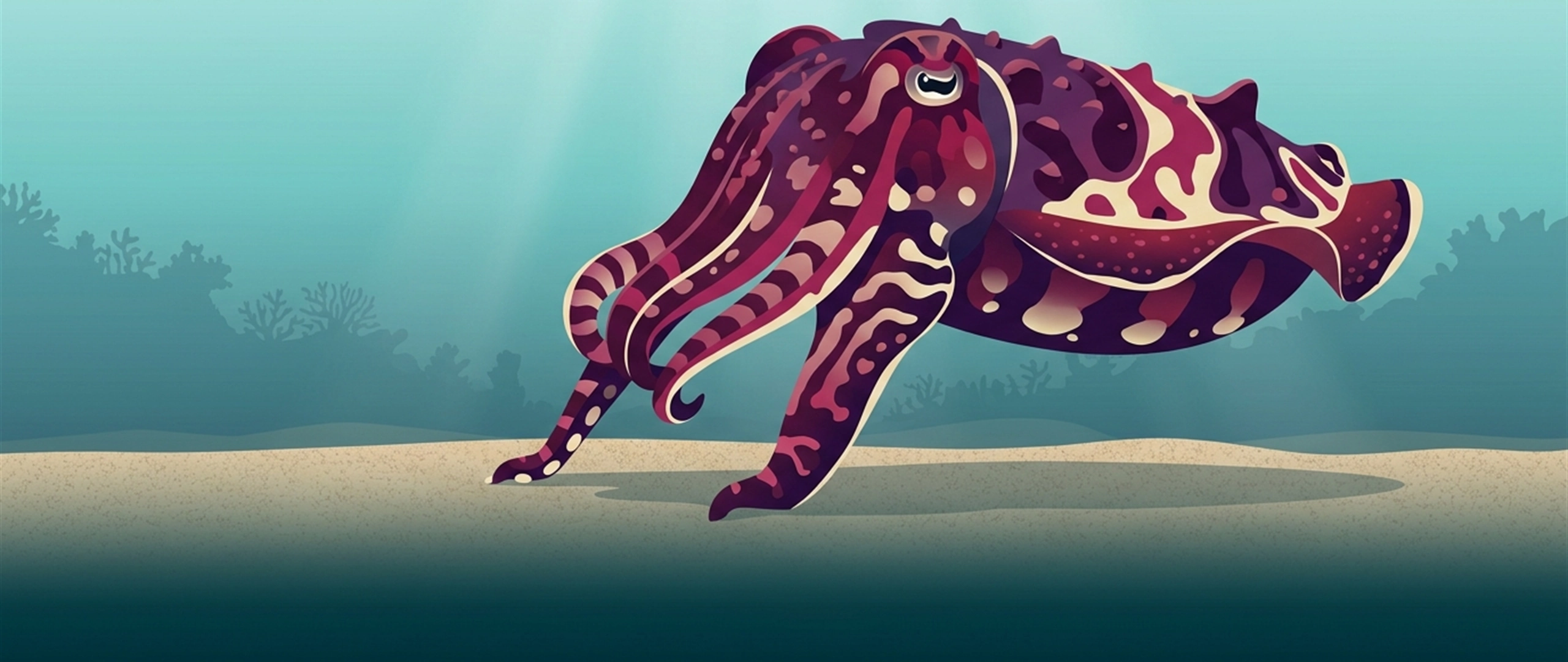
Flamboyant cuttlefish
Learn how to find and photograph the flamboyant cuttlefish at Mabul, Kapalai and Semporna.
More details →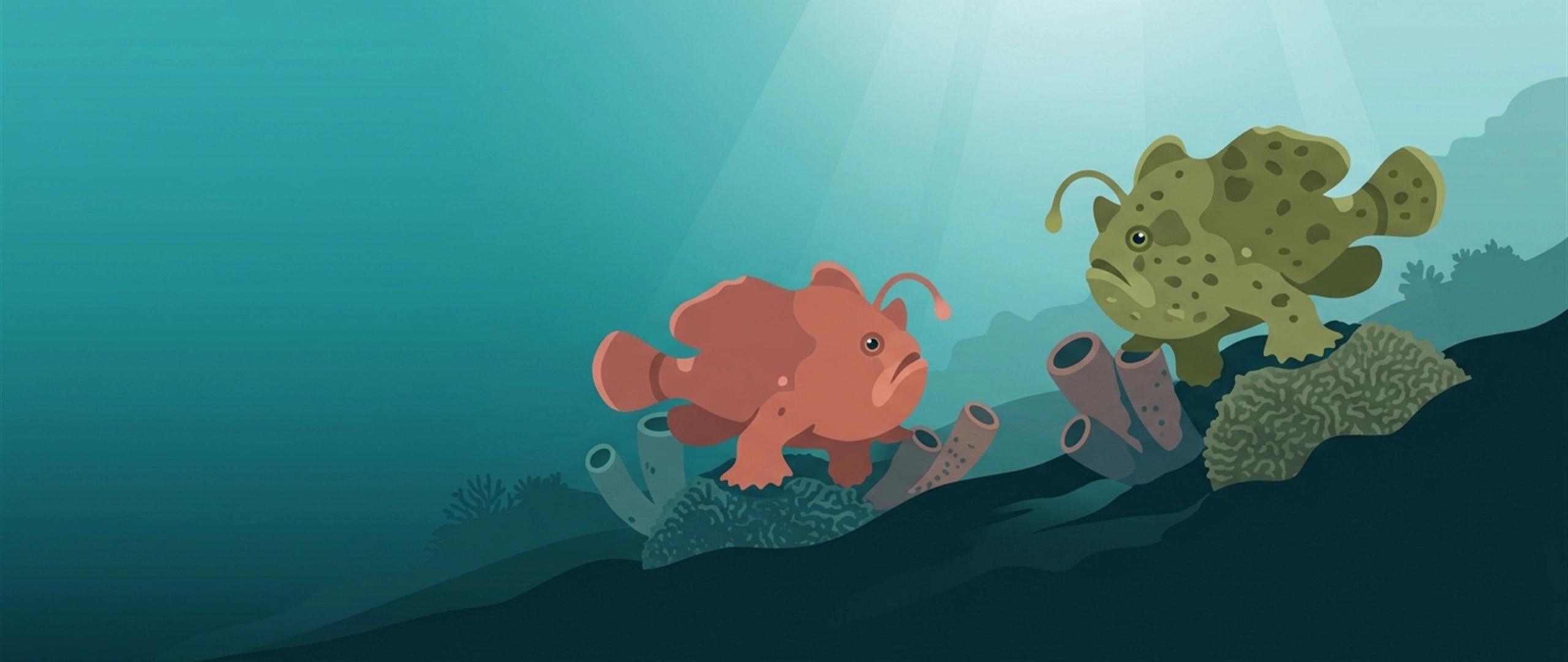
Frogfish
Find out how to dive with frogfish in Sabah.
More details →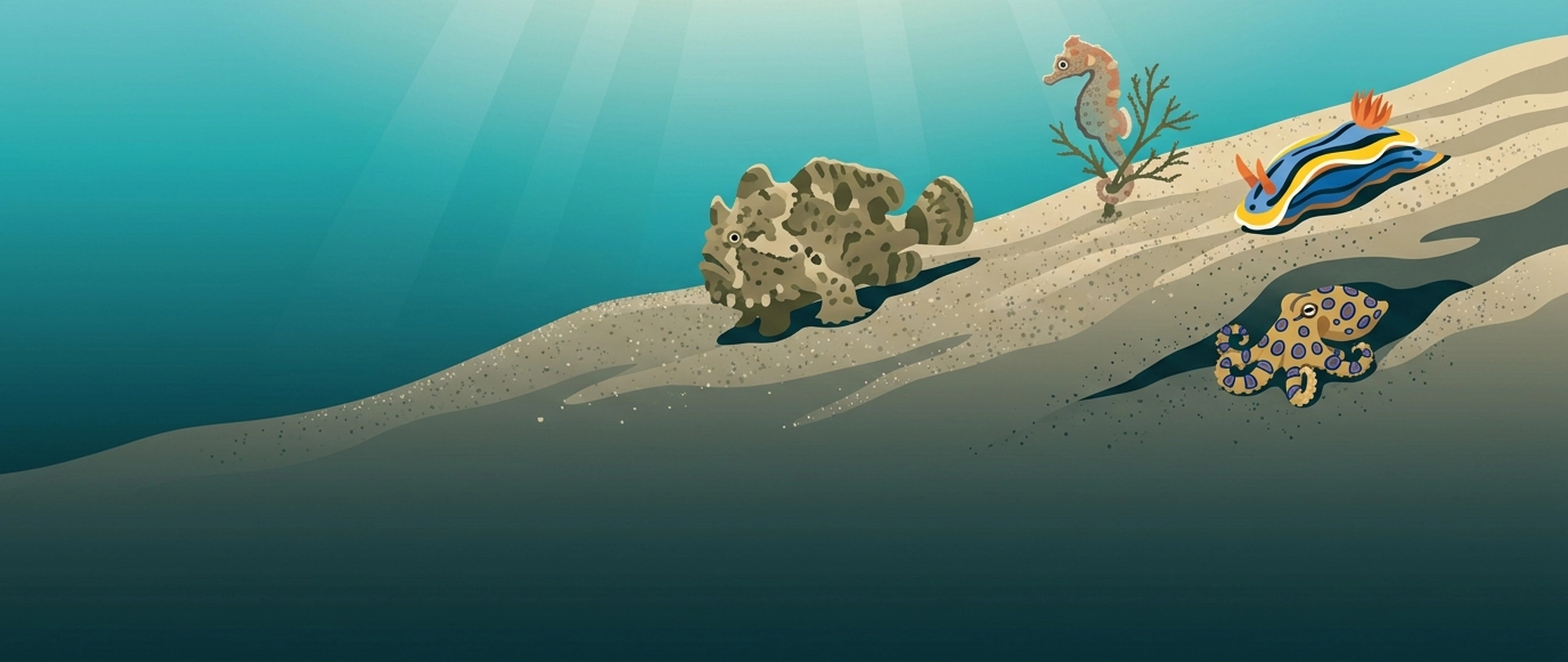
The critters of Semporna
Plan your macro diving week around Mabul, Kapalai and the Semporna mainland.
More details →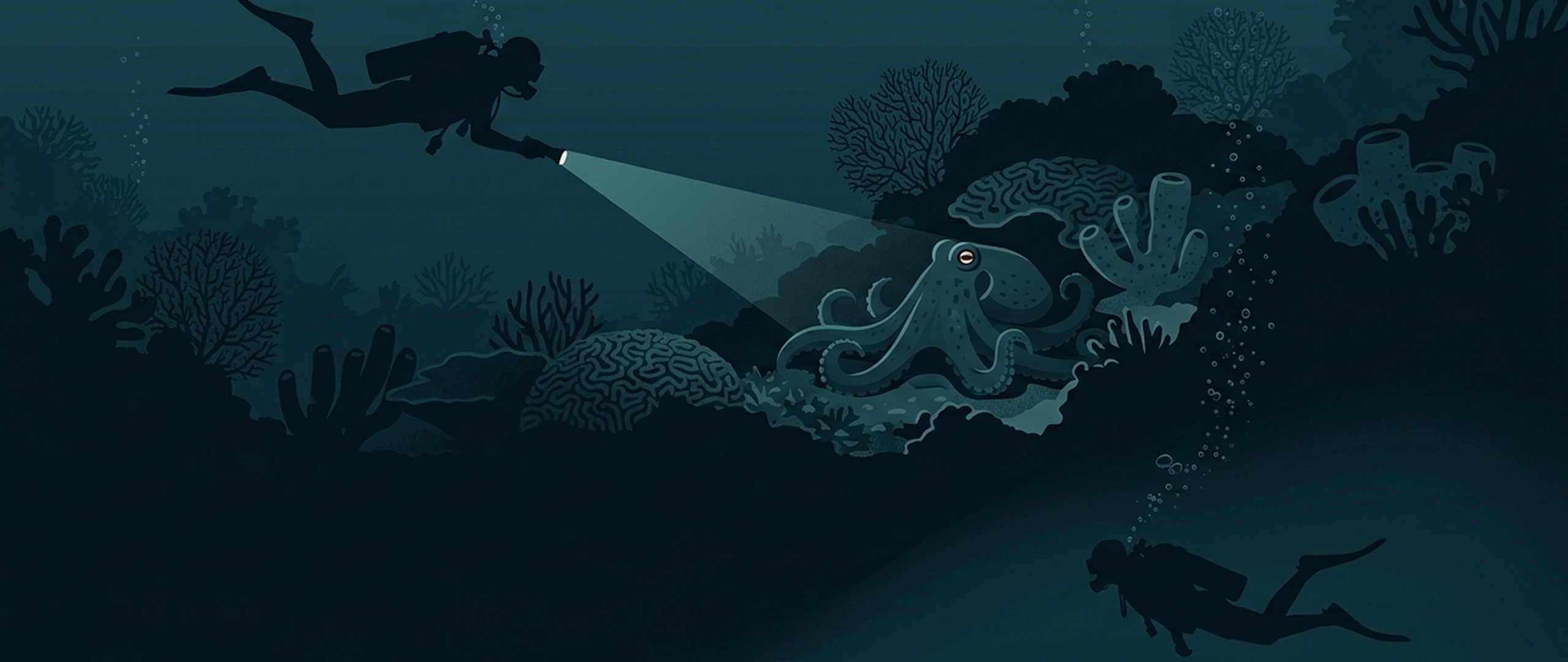
Night diving in the Semporna islands
Everything you need to know about night diving in the Semporna islands from dusk mandarinfish dives to the Seaventures rig.
More details →
Mabul
Mabul is the main island base for Sipadan.
More details →Plan your macro week
Send your planned travel dates, the names of everyone coming and your current dive certifications. The team will come back with a detailed itinerary highlighting the best resorts and packages for muck diving. The team arranges everything from your airport transfers to your local guides.