

Giant of the Sipadan reef
Napoleon wrasse
The Napoleon wrasse is the largest reef fish in Sabah. Sipadan holds one of the healthiest protected populations in Asia. You can dive with these curious giants along the island's steep drop-offs all year round.
Highlights
- Resident population: see fully mature adults on almost every Sipadan dive.
- The dive sites: cruise the steep walls of the Drop-Off and Barracuda Point.
- Massive size: encounter giants reaching 2 metres in length and 190 kilograms.
- Conservation success: protected by Sabah Parks' strict daily limit of 254 permits.
- Getting there: stay at a resort off Mabul or Kapalai to access the island.
- Who it suits: Advanced Open Water divers who want to experience big pelagic life.
Overview
A fish the size of a person swims slowly along the reef wall. It has a bulging forehead, thick lips and a habit of following divers out of pure curiosity. You will rarely see one in most parts of Asia today. Sipadan holds one of the healthiest populations left. That is the clearest argument there is for the island's permit system. When you drop into the water in the early morning you have a very high chance of meeting one face to face. These encounters are a major reason divers travel to Sabah. The sheer bulk of the animal makes it intimidating at first sight. Give it a minute and you realise it is gentle and entirely harmless. It is just watching you as you swim. The local guides know where these giants rest and feed. If you dive Sipadan on your second day you will have the rest of the week to appreciate how rare this experience actually is.
What it is
The Napoleon wrasse is the largest living member of the family Labridae. Its scientific name is Cheilinus undulatus. These animals grow to immense proportions. An adult can reach lengths exceeding 2 metres and weigh up to 190 kilograms. These fish change sex as they grow. Research conducted by the Borneo Marine Research Institute in eastern Sabah tracks this development. Females reach sexual maturity at roughly 5 years of age. They subsequently transition to males around age nine. As they become males their colours shift to bright electric-blue and green. The mature males also develop a prominent forehead hump. This feature gives the species its alternative common name of humphead wrasse. The intricate yellowish lines radiating from their eyes make them instantly recognisable.
Where you see it in Sabah
Sipadan is an important sanctuary for the Napoleon wrasse. Sabah Parks issues 254 Sipadan permits a day. The permit system helps protect the local population. Napoleon wrasse are resident at Sipadan. Fully mature adults are seen on almost every Sipadan dive. They swim close to the reef along steep outer slopes and channel drop-offs. Look for them at sites like the Sipadan Drop-Off, South Point, West Ridge and Barracuda Point. They are also occasionally reported in Tun Sakaran Marine Park. Encounters at Sipadan are aseasonal. You can read the guide on when to dive Sabah for seasonal visibility details. The animals are present all year round.
What it does
The Napoleon wrasse plays a vital role in maintaining the reef's ecological balance. By day they are active rovers. They use their thick lips and powerful jaws in the throat to crush heavily armoured and toxic prey. Their diet includes crown-of-thorns starfish, sea hares and boxfish. Very few other predators can consume these toxic species. This predation keeps the reef healthy. At night they defend their resting places. They retreat to specific consistent reef caves and under coral ledges. Night diving is not permitted at Sipadan. You will only observe their daytime foraging behaviour. Divers often observe them cruising the wall in pairs or as solitary giants. They occasionally approach dive groups with apparent curiosity.
Photographing it
Underwater photographers seek out the shallow shelf of Sipadan's Coral Gardens. The early morning light between 5 and 10 metres depth offers the optimal setting. The intricate undulating yellowish lines radiating from their eyes demand high-clarity wide-angle setups. Approaching them with slow horizontal movements yields the best results without startling the subject. You want to capture the bright colours of the mature males against the reef.
Good habits around them
The Napoleon wrasse poses zero threat to divers and is entirely harmless. However their natural inquisitiveness should not be exploited. Dive operators strongly advise against any attempts to touch or feed them. Habituation to human feeding alters their natural foraging behaviours. It increases their vulnerability. Keep your distance and let the animal control the encounter. Never corner the fish for a photograph.
Conservation
The global population of this majestic fish has been devastated by the live reef food fish trade. This trade is heavily driven by demand in East Asian markets where the fish fetches high retail prices. The species was assessed as Endangered by the IUCN in July 2024. It is strictly monitored under CITES Appendix II. Sabah Parks' strict permitting system has effectively shielded the Sipadan population from commercial spearfishing and the live-fish trade. Chinese tourists refer to the species reverently as the Dragon King Wrasse. Encountering an adult in the wild is a major draw. It provides a stark contrast to their rarity in the heavily fished waters of the South China Sea. The island itself is closed to all visitors every November. You can learn more about the conservation efforts and the history of diving Sipadan on the site.
Where to dive with them
Sipadan is a protected island and nobody stays there. All resorts were removed by government order by the end of 2004. You dive Sipadan by staying at a resort on the surrounding islands or on the single licensed liveaboard.
From the east side of Mabul you can stay at Mabul Water Bungalows or Sipadan-Mabul Resort. The boat run to Sipadan takes roughly 15 minutes. Sipadan Water Village sits on the sheltered side of Mabul and takes 20 to 25 minutes to reach Sipadan. Borneo Divers Mabul Resort is a garden beach resort with a 20 to 25 minute boat run. Seaventures Dive Rig is a converted oil platform stationed off Mabul that reaches Sipadan in about 20 minutes.
Sipadan-Kapalai Dive Resort is the only resort on the Kapalai sandbank. It stands on stilts over the reef flat where a sandbank emerges at low tide. The boat ride to Sipadan is approximately 15 minutes.
You can also dive Sipadan from islands further away. Mataking Island Resort is a private island northeast of Semporna. The boat run across the Alice Channel takes about 80 minutes. Pom Pom Island Resort is a quiet coral island that also offers Sipadan trips via a long boat run. The MV Celebes Explorer is the only licensed liveaboard at Sipadan and holds 16 permits daily.
A guaranteed Sipadan permit requires the right combination of resort, dive package and minimum nights. Not every resort guarantees exact dates. The team steers you to the Sipadan Classic package that secures your wall diving.
Sipadan Drop-Off
Skill level: Advanced Open Water The wall plunges straight down just a few fin kicks from the old jetty structure. You will often see large solitary Napoleon wrasse cruising along the vertical face here. They weave through the overhangs to look for prey in the early morning. Check the shallow reef top during your safety stop to see them hunting in the coral.
Barracuda Point
Skill level: Advanced Open Water This is the dive most people come to Sipadan for. The current sweeps along the wall. The giant wrasse ride the flow. Look out into the blue for the resident chevron barracuda school while you watch the wrasse hunt in the shallows.
Coral Garden
Skill level: Advanced Open Water | Photography depth: 5–10 m The shallow shelf between 5 and 10 metres catches the best morning light. This is the premium site for photographers who want wide-angle shots of the fish. The animals here are habituated to divers and will often approach closely if you stay calm.
West Ridge
Skill level: Advanced Open Water The western wall offers another excellent chance to see these giants. They patrol the ledges looking for resting sea hares and boxfish. The afternoon light illuminates the reef structure for wide-angle photography.
Nearby places / alternatives

Bumphead parrotfish
Find out how to dive with the dawn herds of bumphead parrotfish at Sipadan.
More details →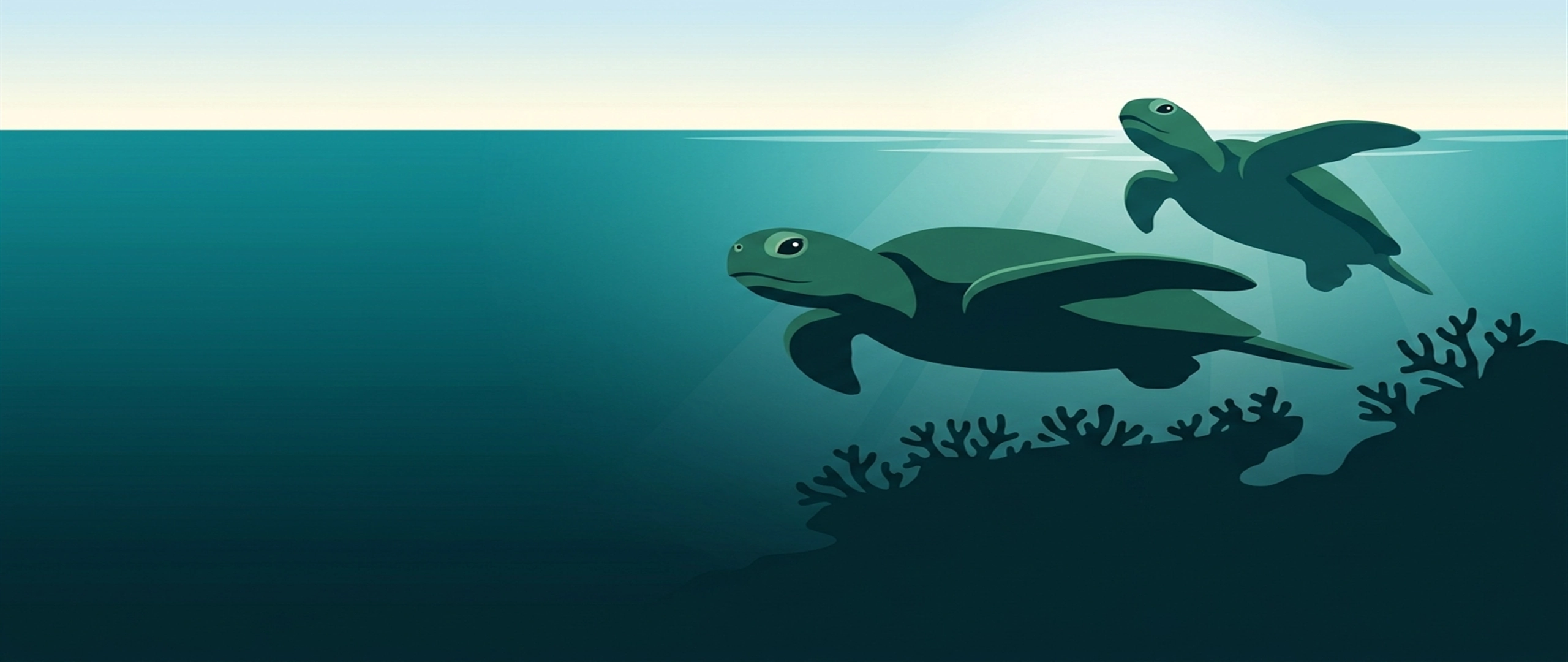
Green turtle
Learn where to dive with green turtles in Sabah, including the resident populations at Sipadan and the conservation hatcheries across the islands.
More details →
Sipadan
Guide to diving Sipadan Island in Sabah.
More details →
Conservation in the Semporna islands
Learn how marine parks, strict Sipadan permit limits, turtle hatcheries and active coral restoration protect the reefs of Semporna for visiting divers.
More details →
Sipadan permits, explained
A complete guide to how the Sipadan permit system works.
More details →Send the team your planned dates along with the names of everyone in your party and their current certification levels. The team will come back with what can be arranged to get you on the wall at Sipadan.