

Long-armed octopuses of Semporna
Mimic octopus and wonderpus
Two long-armed octopuses of the open sand. One flattens and folds itself into the shapes of other animals. The other wears white bars so precise individuals can be told apart. Both are among the hardest finds in the Semporna islands.
Highlights
- Look for them on the shallow sand flats of Mabul and Kapalai.
- Guides rely on memory to locate active burrows between 5 and 15 metres deep.
- The mimic octopus actively impersonates lionfish and flatfish during the day.
- The wonderpus displays striking white bands on a rusty red background at dusk.
- Photographers need patience and a 60mm lens to capture their hunting displays.
- Strict ethics apply to keep these cavity dwellers safe from predation.
Overview
If you spend a week diving the muck sites around Semporna you will quickly hear about the mimic octopus and the wonderpus. These are two long-armed octopuses of the open sand. One flattens and folds itself into the shapes of other animals to trick predators. The other wears white bars so precise individuals can be told apart. Both are among the hardest finds in the Semporna islands. Science formally described the mimic octopus (Thaumoctopus mimicus) in 2005 and the wonderpus (Wunderpus photogenicus) a year later in 2006. Since then they have become major draws for critter hunters. Finding them takes a sharp eye because they live in abandoned crustacean burrows across featureless silt flats. When they emerge to hunt you get to watch some of the most fascinating behaviour in the ocean. This guide explains how to tell them apart on the reef and how to photograph them safely.
What they are and how to tell them apart
You can check both species in the World Register of Marine Species against their original descriptions in Molluscan Research. The mimic octopus is primarily diurnal. It hunts on the open sand while imitating animals that predators avoid. The octopus twists and folds its flexible body to resemble other animals. It changes colour rapidly and alters its swimming pattern to impersonate venomous local fauna. Divers regularly watch it mimic lionfish, flatfish and banded sea kraits. This display deters predators while the octopus forages in the open.
The wonderpus behaves differently. It is crepuscular to nocturnal and possesses noticeably longer delicate arms. Unlike the mimic the wonderpus displays a fixed photogenic pattern of white spots and bands on a rusty red background. This pattern is so precise researchers use it to identify individual animals. When a wonderpus feels threatened it flares this striking pattern to startle predators.
Where you find them in Sabah
Mabul and Kapalai are globally recognised strongholds for both of these cephalopods. You can also find resident mimic octopuses at Lankayan Island in the Sulu Sea. Both species inhabit expansive featureless sand and silt flats. They usually stay at shallow depths of 5 to 15 metres.
They are cavity dwellers. They do not build their own homes. They use abandoned crustacean burrows or natural depressions as protective dens. Their populations fluctuate naturally. Finding them depends almost entirely on dive guides who have memorised active den locations. The reality on the muck sites is clear: guides find them while divers swim past them. Look for their burrows near the Mabul house reef and the Kapalai house reef. Sites like Froggy Lair hold high concentrations of macro life where guides frequently check for new burrows.
What they do
These animals move rapidly across the sand when they hunt. They search the silt for small crustaceans and fish. They rely heavily on their burrows for safety. When loud bubbling scuba divers approach both octopuses retreat instantly into their dens. They usually leave only their periscope-like eyes visible above the sand.
If you want to observe their hunting behaviour you need to sit quietly. Stay still and give the animal time to settle and emerge to hunt. The wonderpus is especially active on a night dive. Dive logs specifically record the wonderpus emerging to hunt just off the Mabul resort jetties after sunset. Look for other critters of Semporna while you wait beside the burrow.
Photographing them
Patience matters most when you photograph these octopuses. Keep neutral buoyancy and stay still above the sand. Because they move quickly across the seabed a slightly wider macro lens is preferable to a 100mm lens. A 60mm lens allows for full-body framing of their behavioural displays. Taking a dedicated underwater photography package gives you the time you need at each burrow. Be sure to lock your focus on the eyes to establish a connection with the viewer. Avoid shining bright white continuous lights directly at them. The skill lies in getting your lighting right and waiting for the right moment.
Good habits around them
The ethical rules for diving with the mimic octopus and wonderpus are strict. The "don't move the animal" rule is absolute. Never dig or prod into a den or block an octopus to provoke a display. You must never move an animal out of its habitat to get a cleaner photograph. Moving a subject from its camouflage exposes it instantly to fatal predation. The true skill in macro diving lies in mastering neutral buoyancy and extreme patience. You must photograph these cryptic inhabitants just as they exist in the wild.
Conservation
These octopuses face localised pressures across their range. The scientific literature notes they are not officially CITES listed. They rely entirely on their specific micro-habitats to survive. Dive operators across Sabah work to protect the sand flats where these rare animals live. The strict observational ethics enforced by local divemasters keep these resident populations healthy.
Where to dive with them
Dive guides track active burrows across several key Semporna sites. You will likely dive these locations on any dedicated macro and muck itinerary.
Paradise 1
Skill level: All levels This Mabul site features a sandy slope that initially appears unassuming. It holds a wealth of small marine life including resident mimic octopuses. Dive guides return here regularly to check known crustacean burrows.
Paradise 2
Skill level: All levels | Max depth: 18m This site sits close to Paradise 1. It offers the same expansive silt and coral rubble environment. It is a prime location to search for the wonderpus at dusk.
Jawfish Lair
Skill level: All levels This site at Lankayan Island in the Sulu Sea is famous for jawfish. Dive logs also confirm resident mimic octopuses living in the coarser sandy substrate here.
FAQ
Can I see a mimic octopus and a wonderpus on the same dive? Both inhabit the Mabul sand flats. The mimic octopus is active by day while the wonderpus emerges at dusk. You are more likely to see the wonderpus on a night dive.
Are they resident on the Mabul muck sites? They are regularly found by guides who know the active burrows. Their populations fluctuate naturally. Sighting them is always a lucky find rather than a daily event.
Do I need a special lens to photograph them? A 60mm macro lens works best. They move quickly across the sand so a wider field of view helps capture their full hunting display.
Why do they hide when divers approach? They are cavity dwellers. Loud scuba bubbles frighten them into their burrows. Stay still above the sand and give them time to settle and come back out.
Nearby places and alternatives
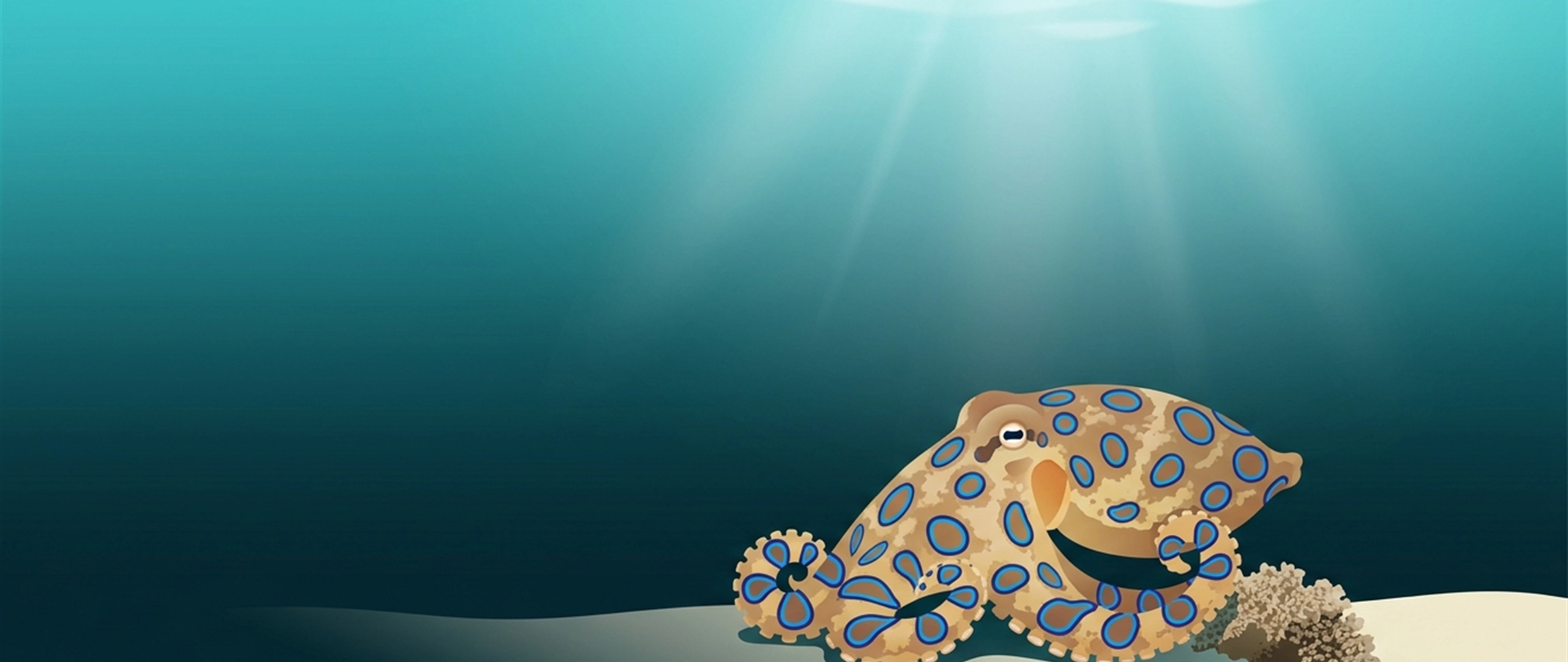
Blue-ringed octopus
Learn how to find and photograph the blue-ringed octopus around Mabul and Semporna.
More details →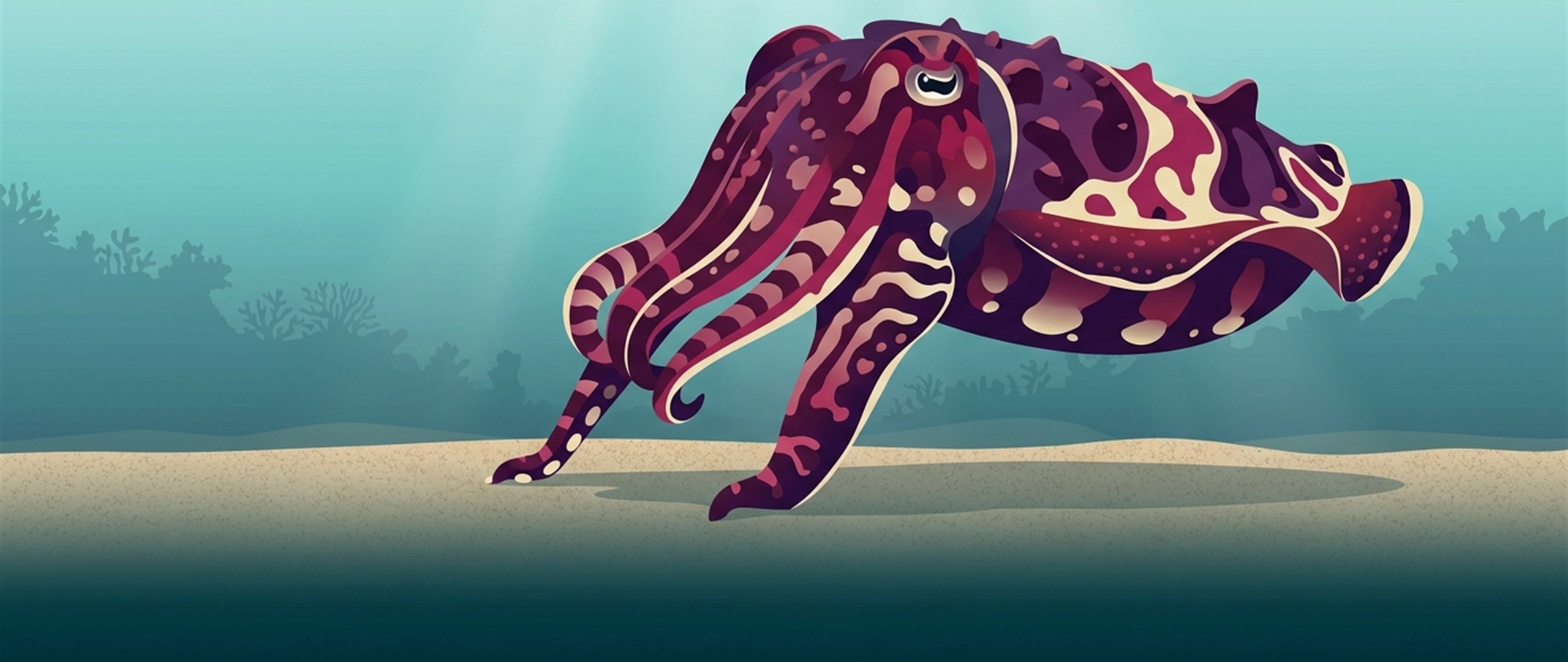
Flamboyant cuttlefish
Learn how to find and photograph the flamboyant cuttlefish at Mabul, Kapalai and Semporna.
More details →
The critters of Semporna
Plan your macro diving week around Mabul, Kapalai and the Semporna mainland.
More details →
Mabul
Mabul is the main island base for Sipadan.
More details →
Macro & Muck
A week on Mabul or Kapalai spent diving the shallow reefs for frogfish, blue-ringed octopus and mandarinfish.
More details →Send your dates, the names of everyone coming and your certification levels. The team comes back with the right resorts and packages to match your macro photography goals.