

Semporna's master of camouflage
Pygmy seahorse
A seahorse the size of a fingernail that lives its whole life on a single sea fan. Finding one is the guide's party trick. Photographing one tests your buoyancy.
Highlights
- Fingernail-sized seahorse living entirely on gorgonian sea fans
- Coloured to match its host coral closely
- Found at Kapalai and Mabul macro dive sites
- Requires advanced buoyancy control to photograph safely
- A prized sighting for dedicated underwater photographers
- Located reliably by local Sabah dive guides
Overview
The pygmy seahorse is a creature the size of a fingernail that lives its entire life on one sea fan. It is coloured and warted to match its host closely. Most divers swim past without ever seeing it. Finding one is the guide's party trick. Photographing one is a true test of buoyancy. These tiny marine animals draw underwater photographers from around the world to Sabah. You will need patience to spot them. The reward is seeing a master of camouflage in its natural habitat. Mabul and Kapalai offer some of the most reliable locations to find them. A typical day gives you 3 boat dives to explore these macro habitats. The local guides know the gorgonian sea fans where these seahorses live. They will point them out to you. You just need to control your breathing and look closely.
What it is
The scientific name is Hippocampus bargibanti. It differs from other regional pygmy species like Hippocampus satomiae by relying strictly on mature gorgonian sea fans for survival. They never leave their fan. They require the steady current flowing past the coral to feed on microscopic plankton. You can recognise it by its bulbous texture. The seahorse mimics the polyps of its host fan down to the smallest detail. The colouration matches the host. These tiny creatures are about the size of a fingernail. Their diminutive size makes them exceptionally difficult to spot. Their entire body is covered in small tubercles. These bumps mimic the closed polyps of the gorgonian coral. The illusion is highly effective. Even experienced spotters need time to find them on a large fan.
Where you find it in Sabah
You can look for them at specific dive sites around Mabul and Kapalai. Mabul provides classic offshore macro diving on natural volcanic sand. Kapalai offers submerged sandbanks. The pygmy seahorse requires mature gorgonian sea fans that thrive in deeper water. They need steady current to survive. At Kapalai you can see them at Mid Reef and the outer edges of Kapalai Rock. At Mabul they live on the Seaventures Platform pylons. Depths range from 12 to 18 metres at Seaventures down to 25 metres at Mid Reef. You might also spot them at Lobster Wall on the western side of Mabul. Sightings are frequent when you dive with local guides. Semporna mainland muck sites offer different micro-invertebrates. The offshore islands offer sea fans where guides regularly look for pygmy seahorses.
What it does
The pygmy seahorse spends its days clinging heavily camouflaged to the sea fan. It uses a prehensile tail to hold on in sweeping currents. The animal relies entirely on disguise to avoid predators. The local guides memorise the fans where the seahorses live. They take you to the fans to look closely. The seahorse moves very little. It relies on the current bringing food directly to it. You will often see them facing into the water flow. They wait for passing plankton to drift within reach. They do not swim freely in the water column. A pygmy seahorse separated from its host fan will not survive long.
Photographing it
Photographing microscopic subjects in a sweeping current requires advanced buoyancy skills. Specialised high-magnification dioptres help capture the detail. You need a dedicated macro lens to isolate the subject. Some photographers use compact setups like the Olympus TG-5 to get close. The shot most people want is a side profile showing the eye and snout clearly. Settle into neutral buoyancy and keep clear of the reef. Get your lighting ready before you approach. A snoot helps you light the subject precisely. You can isolate a subject with a narrow beam of light against a dark background. Hold steady as you frame the shot. Use frog kicks to keep the silt settled. A standard flutter kick will instantly blind a site with suspended silt. This ruins visibility for subsequent dive groups. It also buries the micro-habitats of bottom-dwelling subjects.
Good habits around them
Etiquette is vital for protecting these animals. Leave the sea fans untouched as you look for seahorses. Touching the fan damages the fragile coral. You should never use strong or repeated strobe lighting on these sensitive creatures. Pointing sticks are strictly prohibited on living substrate. Keep your fins clear of the bottom. Use gentle frog kicks to avoid stirring up silt. Always follow the instructions of your guide. They can help you find a viewing position that keeps you clear of the animal and its habitat.
Conservation
Protecting their gorgonian sea fan habitats remains the priority for dive operators in Sabah. Local conservationists work to maintain the health of the reefs. The team briefs every diver on emergency arrangements at booking.
Where to dive with them
You can dive with pygmy seahorses by staying at Kapalai Dive Resort or the resorts on Mabul. The Macro and Muck packages target these specific sites. You can also explore Underwater Photography packages to focus entirely on macro subjects. Mabul features luxury over-water resorts like Mabul Water Bungalows and Sipadan Water Village. Sipadan-Mabul Resort provides beach access. Seaventures Dive Rig offers unique accommodation on a converted oil platform. All these operators arrange daily boat trips to the pygmy seahorse habitats.
| Dive Site | Location | Depth Range | Skill Level |
|---|---|---|---|
| Mid Reef | Kapalai | 15–30m | Advanced Open Water |
| Seaventures Platform | Mabul | 12–18m | Open Water |
| Lobster Wall | Mabul | 25m to beyond 40m | Advanced Open Water |
Mid Reef
Skill level: Advanced Open Water | Depth range: 15–30m Mid Reef takes you down a steeper wall beyond Kapalai's shallow sandy sites. The wall drops to 30 metres. It features exceptionally healthy hard and soft coral coverage. Because it is exposed to open ocean water movement it is prone to fairly strong currents. Pygmy seahorses cling to gorgonian sea fans around 25 metres. You must deploy your surface marker buoy on ascent due to the drift potential.
Seaventures Platform
Skill level: Open Water | Depth range: 12–18m This site lies beneath a decommissioned oil rig offshore from Mabul. The Seaventures Dive Rig is a converted oil platform built in Panama. It was decommissioned in 1985. It has been stationed off Mabul since 1997. Gorgonian sea fans grow directly on the steel pylons. The pygmy seahorses reside almost exclusively within these fans. Watch for overhead boat traffic.
Lobster Wall
Skill level: Advanced Open Water | Wall depth: 25m to beyond 40m Lobster Wall is a true vertical drop-off riddled with cracks. It is heavily decorated with colourful sea fans. Pygmy seahorses hide in the gorgonians along the wall face. Green turtles (Chelonia mydas) frequently rest on the wall ledges nearby.
Nearby places / alternatives
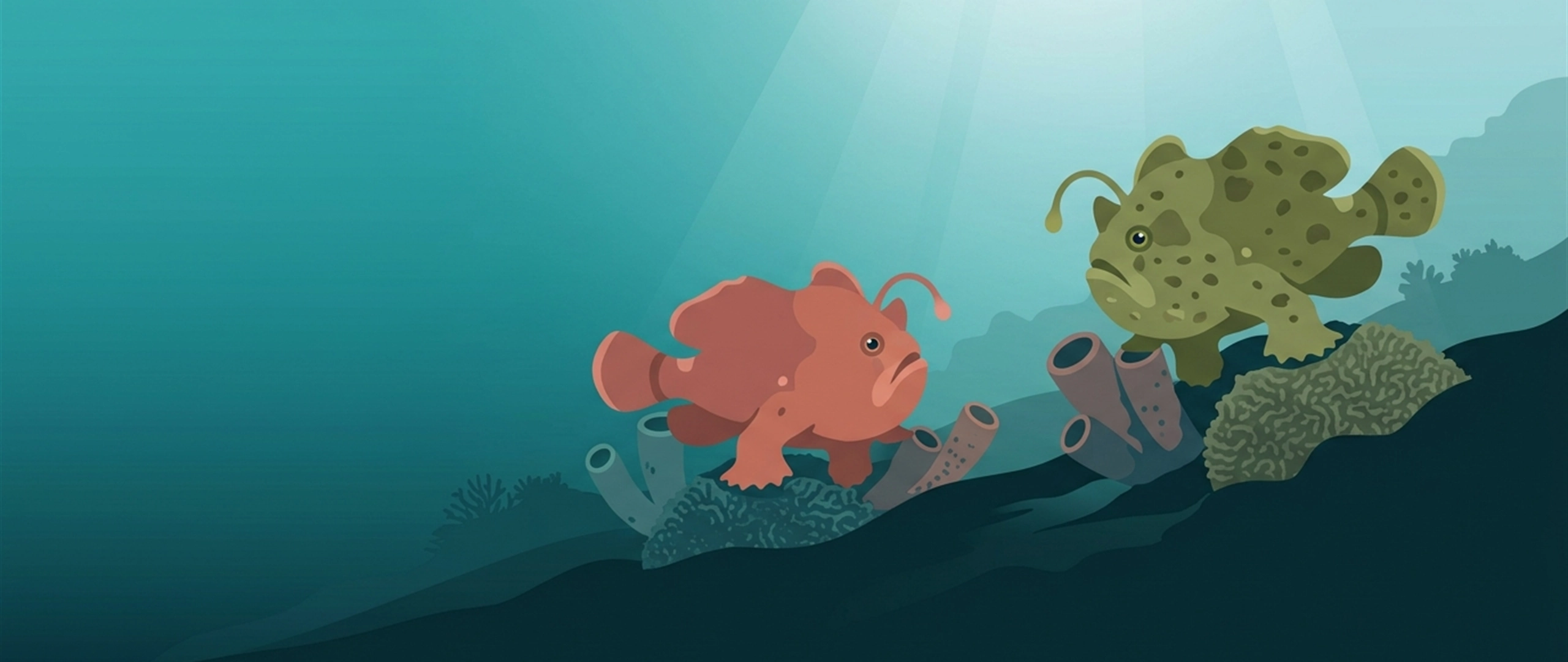
Frogfish
Find out how to dive with frogfish in Sabah.
More details →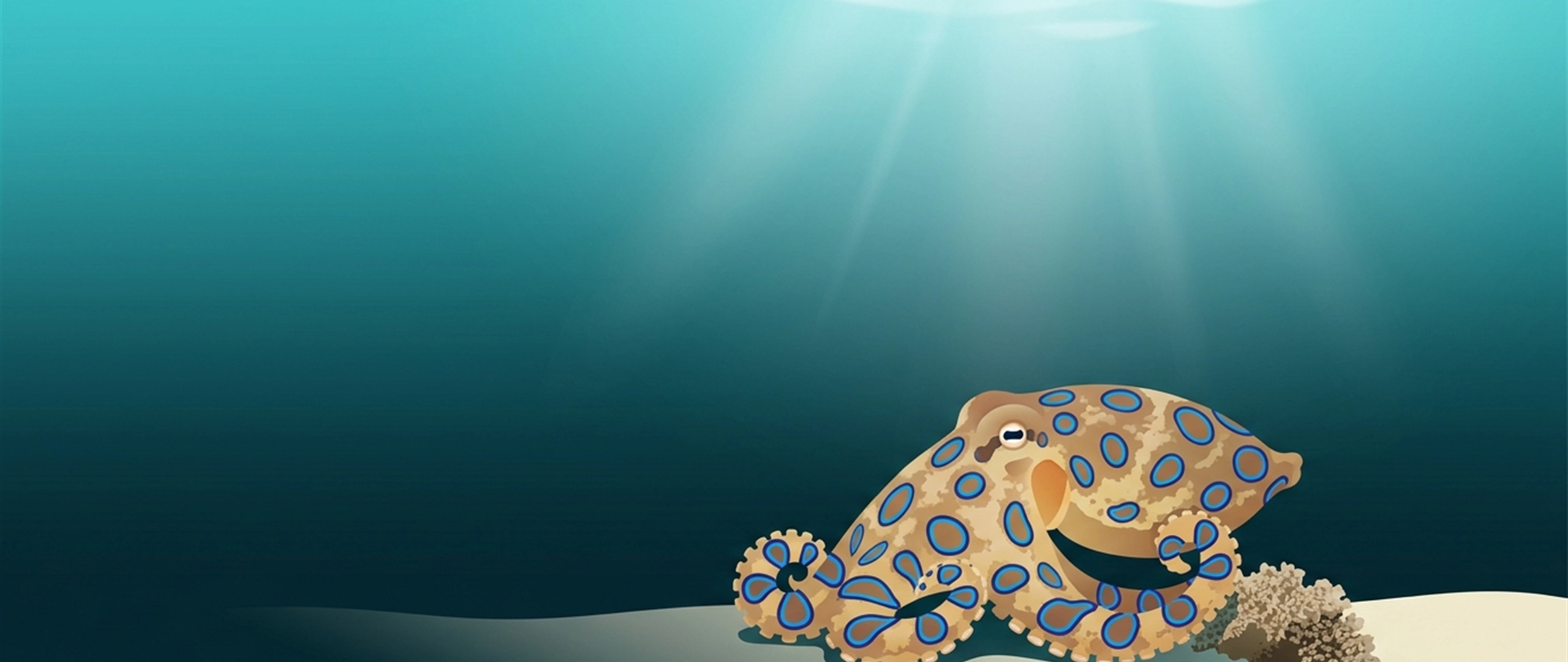
Blue-ringed octopus
Learn how to find and photograph the blue-ringed octopus around Mabul and Semporna.
More details →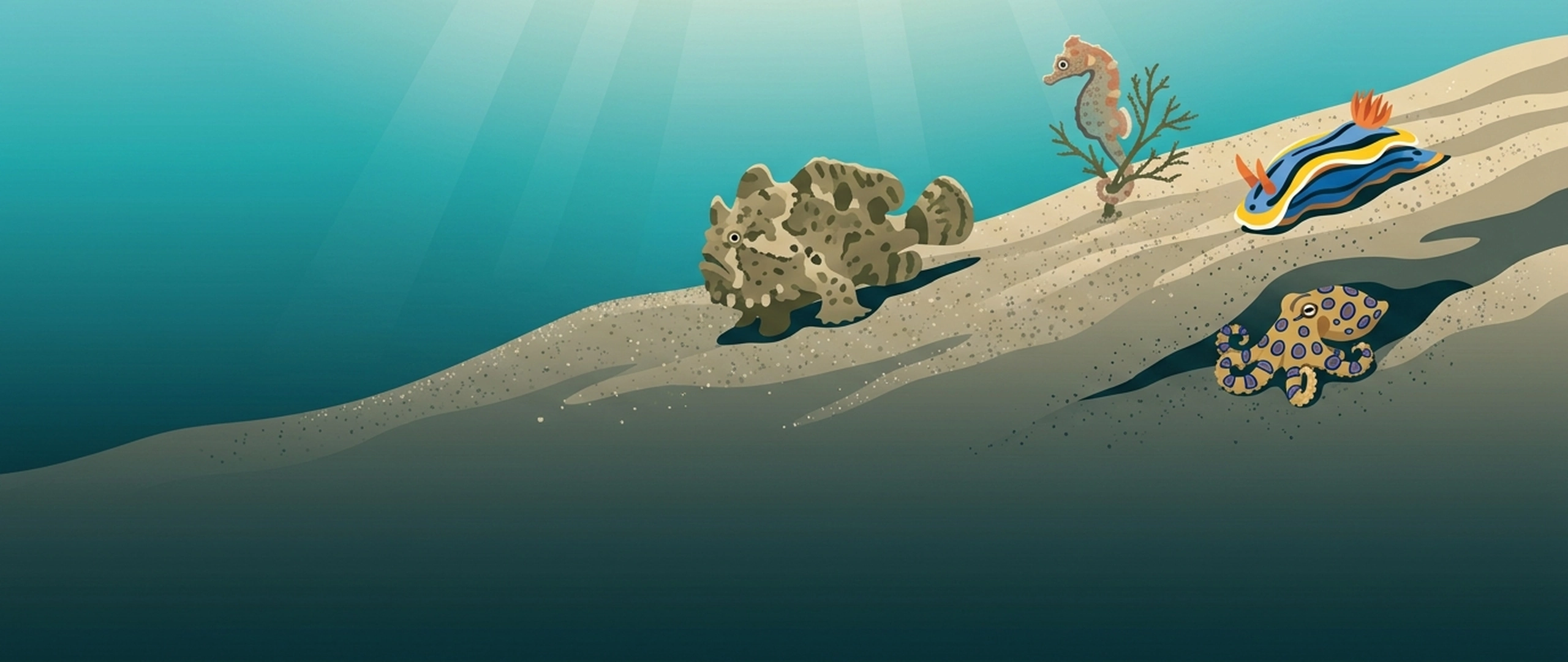
The critters of Semporna
Plan your macro diving week around Mabul, Kapalai and the Semporna mainland.
More details →
Mabul
Mabul is the main island base for Sipadan.
More details →
Kapalai
Stay at a water village built on a submerged sandbank off Mabul.
More details →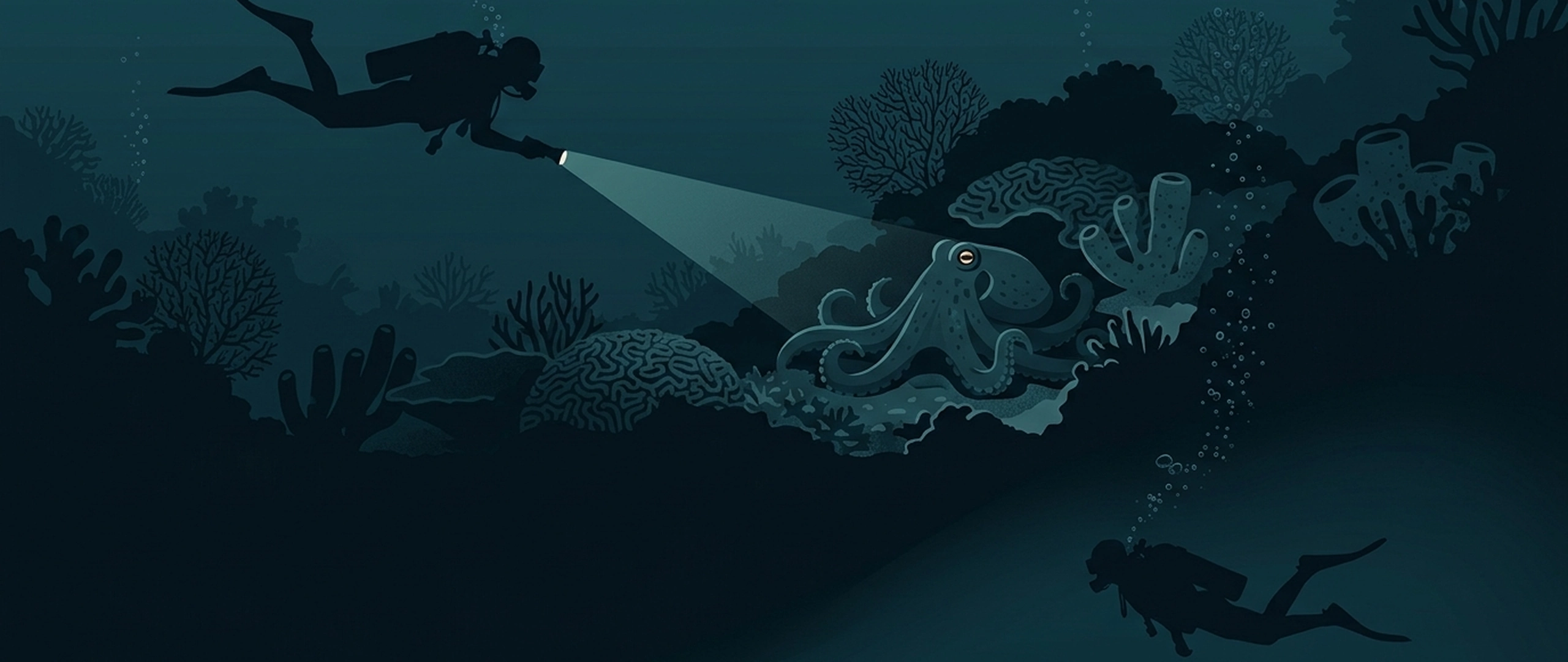
Night diving in the Semporna islands
Everything you need to know about night diving in the Semporna islands from dusk mandarinfish dives to the Seaventures rig.
More details →
Ghost pipefish
Find ghost pipefish in Sabah's dive sites.
More details →
Mabul house reefs
The waters under Mabul's resort jetties hold some of the best macro diving in Sabah.
More details →
Paradise 1 and Paradise 2
Dive Paradise 1 and 2 off Mabul Island.
More details →
Froggy Lair
Dive Froggy Lair on Mabul Island.
More details →
Kapalai house reef
Dive the Kapalai house reef directly from your water chalet.
More details →Send your dates to the team along with the names of everyone coming. Please include your current certification level. The team comes back with what can be arranged for your trip.